Algeria
 Egypt
 Libya
 Morocco
 Sudan
 Tunisia
 Benin
 Burkina Faso
 Cabo Verde
 Côte d'Ivoire
 Ghana
 Guinea
 Guinea-Bissau
 Liberia
 Mali
 Mauritania
 Niger
 Nigeria
 Senegal
 Sierra Leone
 The Gambia
 Togo
 Cameroon
 Central African Republic
 Chad
 Equatorial Guinea
 Gabon
 Republic of the Congo
 São Tomé and Príncipe
 Burundi
 Comoros
 Djibouti
 Eritrea
 Ethiopia
 Kenya
 Madagascar
 Malawi
 Mauritius
 Mozambique
 Rwanda
 Seychelles
 Somalia
 South Sudan
 Tanzania
 Uganda
 Angola
 Botswana
 Eswatini
 Lesotho
 Namibia
 South Africa
 Zambia
 Zimbabwe
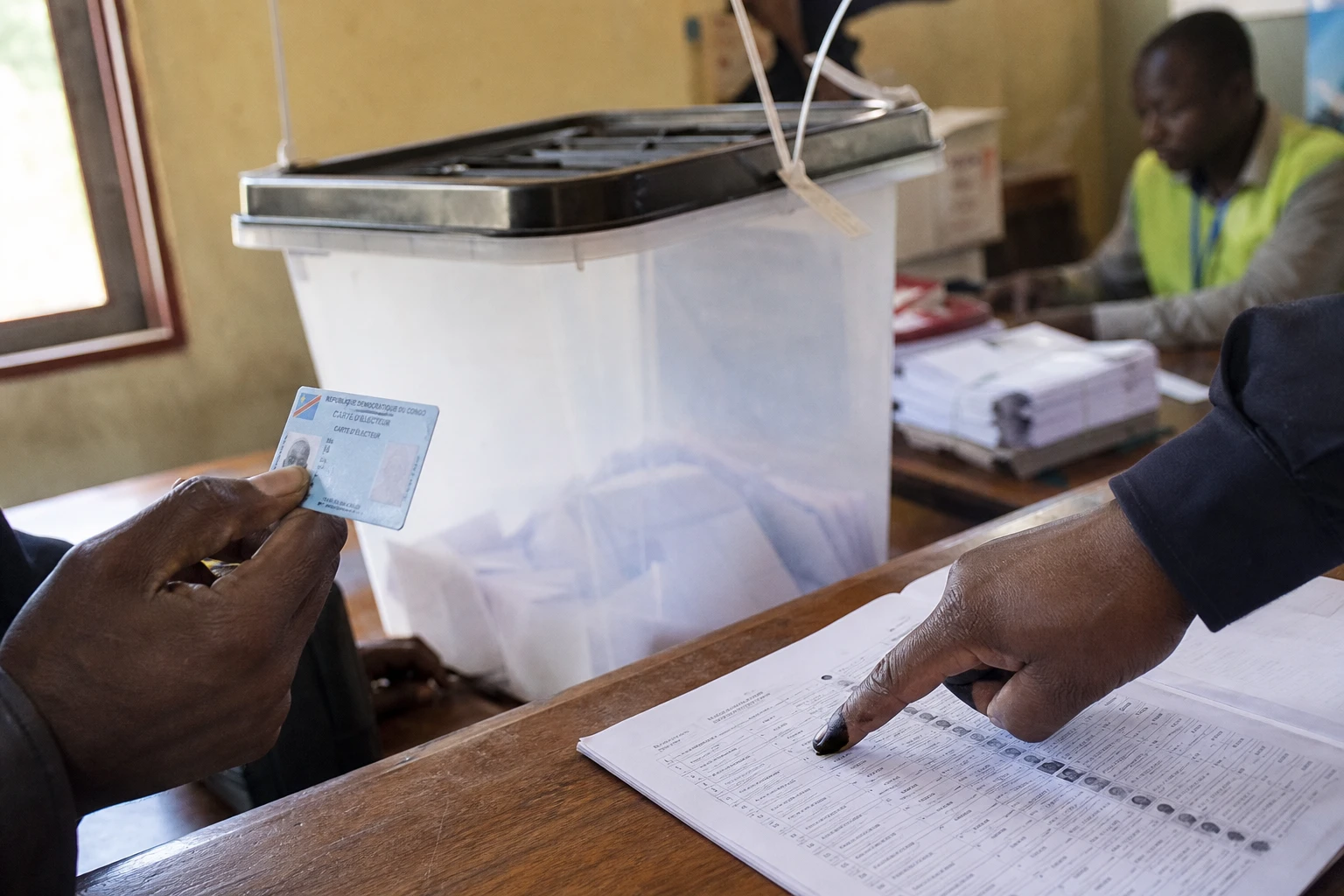
In Bukavu, local news becomes a battleground
In a city where radio is often the first link with the rest of the country, cutting access to voices from Kinshasa means narrowing residents’ horizons. In Bukavu, South Kivu, media outlets operating in areas controlled by the AFC/M23 have just received new instructions banning political programmes and restricting the relaying of news from the Congolese capital. The measure targets more than newsrooms. It also seeks to control what listeners can hear, compare and challenge.
The tightening comes against an already fraught backdrop. Since the AFC/M23 took Bukavu in February 2025, the city has been under de facto rebel administration, while Kinshasa continues to assert its institutional authority over South Kivu. Meanwhile, talks between the Congolese government and the AFC/M23 in Doha remain fragile, and fighting continues in the east, particularly around Kalehe and other routes in South Kivu.
Verbal instructions, a clear political line
According to information corroborated by multiple sources, the decision was conveyed in Bukavu on Wednesday 19 August 2026 by Patrick Busu Bwa Ngwi Shombo, described as a governor appointed by the AFC/M23. The meeting took place in Nyamoma with local media managers. The new framework bans political debates. It also instructs radio stations to stop relaying current affairs from Kinshasa.
The restrictions go further. Media outlets are reportedly required to highlight AFC/M23 activities, while being barred from freely covering South Kivu’s elected national MPs or people from the province who are active in areas still under Kinshasa’s control. According to information published by Journaliste en danger, even programmes on peace, education, health or development would require prior approval from the governor’s communications unit, in liaison with RTNC South Kivu. In short, the editorial space is shrinking, subject by subject.
Local sources cite a programme broadcast on Radio Bukavu FM as the trigger. It had discussed a family dispute over the eviction of former minister Claude Nyamugabo’s mother from her home. The broadcast reportedly led to media managers being summoned. According to the same sources, a new head of the Congolese regulatory body, the Higher Council for Audiovisual and Communication, was even appointed verbally in Bukavu. This practice blurs the boundaries between de facto administration and legally established institutions.
Press freedom groups have already documented controls on speech
The tightening on 19 August did not come out of nowhere. RSF has already described the AFC/M23’s growing grip on local media in North and South Kivu. In Bukavu, the organisation has reported meetings laying down editorial instructions, the cancellation of debate programmes featuring political or civil society guests, and bans on relaying certain information deemed favourable to Kinshasa, the FARDC or the Wazalendo, armed self-defence groups aligned with the Congolese government.
RSF and other organisations have also documented an atmosphere of physical and psychological pressure on journalists in eastern DRC. The organisation has reported abductions, arbitrary detentions and intimidation targeting media professionals in Bukavu and Goma. In another report on the Great Lakes region, RSF showed that M23 officials had asked radio stations to submit their programme schedules, then remove political debates and party news. The problem therefore goes beyond this latest episode: it affects newsrooms’ very ability to do their work.
Congolese local media have also previously reported these warnings. In August 2025, the Congolese Press Agency said that AFC/M23 officials had threatened to shut down media outlets in Bukavu, explicitly banning content that portrayed Kinshasa, the FARDC or the Wazalendo favourably. The new 2026 directive therefore appears to be a further step: it targets not just certain content, but the very sources of information.
What this means for residents and the region
In a city like Bukavu, radio is no mere backdrop. It provides information on passable roads, fighting, food prices, open schools, accessible health centres and population movements. When politics is banned and Kinshasa becomes a forbidden source, residents lose part of their understanding of the country. Families living in the city, port traders, teachers and local civil servants no longer receive the same information as those who still follow national channels. The divide between the capital and the east is widening.
For the AFC/M23, the stakes are political as well as military. Controlling a city also means controlling its narrative. By imposing its own rules on radio stations, the movement is seeking to consolidate a parallel administration and delegitimise any voice from Kinshasa. For the Congolese government, the aim is the opposite: to maintain the continuity of the state in territories where it still lacks real authority. This confrontation is now playing out over the airwaves as well as along the front lines.
The implications extend beyond South Kivu. In the Great Lakes region, armed crises are often accompanied by information wars. What is happening in Bukavu resonates in Goma and Uvira, as well as in the continental debate on the safety of journalists, the circulation of sources and the status of territories administered by armed groups. In the short term, attention will focus on how local newsrooms implement, circumvent or challenge these instructions, and on the effect of the restrictions on the next round of Doha talks and the already precarious stability of eastern Congo.