Algeria
 Egypt
 Libya
 Morocco
 Sudan
 Tunisia
 Benin
 Burkina Faso
 Cabo Verde
 Côte d'Ivoire
 Ghana
 Guinea
 Guinea-Bissau
 Liberia
 Mali
 Mauritania
 Niger
 Nigeria
 Senegal
 Sierra Leone
 The Gambia
 Togo
 Cameroon
 Central African Republic
 Chad
 Equatorial Guinea
 Gabon
 Republic of the Congo
 São Tomé and Príncipe
 Burundi
 Comoros
 Djibouti
 Eritrea
 Ethiopia
 Kenya
 Madagascar
 Malawi
 Mauritius
 Mozambique
 Rwanda
 Seychelles
 Somalia
 South Sudan
 Tanzania
 Uganda
 Angola
 Botswana
 Eswatini
 Lesotho
 Namibia
 South Africa
 Zambia
 Zimbabwe
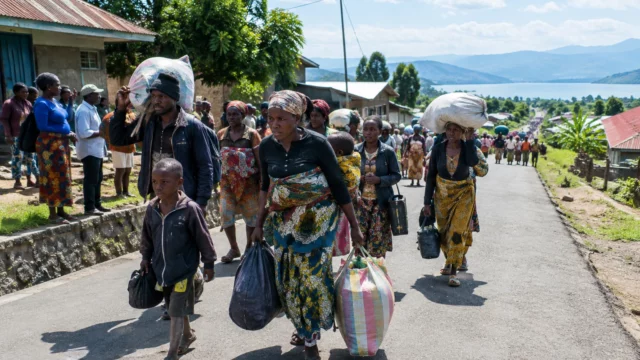
In Bukavu, residents no longer speak of an isolated fire. In less than two weeks, two major blazes have struck the city and left families mourning, already weakened by instability in the east of the Democratic Republic of the Congo. The latest fire, which broke out on the night of 20 to 21 September 2026 in Nyalukemba, destroyed hundreds of homes and caused several deaths.
Two deadly fires in eleven days
The Nyalukemba fire broke out at around 11pm on the night of Sunday 20 to Monday 21 September, on Irambo 1 and Irambo 2 avenues, in the Ibanda commune of Bukavu. The flames spread rapidly through a densely populated area.
Initial casualty figures remain divergent. 7sur7.cd reported three deaths and more than 400 homes destroyed. Radio Maendeleo later reported at least four deaths and nearly 500 homes ravaged. Other local media gave a higher toll, though no definitive independent confirmation was available as of 25 September 2026.
According to several accounts gathered by the Congolese press, the fire may have started in a house where a wake was being held. This hypothesis does not, however, establish the cause of the blaze. An investigation is still needed to determine the exact origin of the flames and any possible liabilities.
Families affected described the fire spreading very quickly. In the neighbourhoods concerned, residents had to choose between evacuating children, trying to save a few belongings and finding a way through the smoke. Several hundred households were left homeless, while material losses also included documents, work tools and food supplies.
The disaster came eleven days after another fire in Bukavu on 10 September. The blaze reached Furaha and Ujamaa schools after starting in a neighbouring home in the Kasheke area, near the Chimpunda neighbourhood. Panic and a crush caused the deaths of at least 26 pupils, according to the provincial government, cited by the US news agency Associated Press.
The toll was later raised to 27 pupils by hospital and school sources cited by the Congolese Press Agency. Radio Okapi, for its part, reported a provisional toll of 29 children. These discrepancies illustrate the difficulty of quickly consolidating figures in a city where emergency and health services are under intense pressure.
A city exposed to urban risks
The recurrence of fires has brought risk prevention in Bukavu back to the centre of debate. The city has many densely built-up areas, with homes close together. In these areas, a localised fire can spread to several houses within minutes.
Access for emergency services is another key factor. Narrow streets, the terrain and congestion on some roads make it difficult for response vehicles to reach the scene. When water, equipment or communications are lacking, residents become the first to fight the flames, often without suitable protection.
The issue therefore goes beyond the cause of each individual fire. It also concerns urban planning, the availability of fire stations, maintenance of electrical networks, prevention at venues where people gather, and the ability to organise the rapid evacuation of schools and working-class neighbourhoods.
The authorities will also need to clarify arrangements for compensation and assistance. For a family relying on small-scale trade, a workshop or informal work, the destruction of a home often means losing both shelter and income. The consequences therefore extend beyond the visible damage to buildings.
Children and older people remain particularly vulnerable. The disaster on 10 September showed that a fire can become a collective catastrophe when panic blocks exits. In schools, evacuation drills, clear access routes and simple instructions can reduce the risk, provided they are actually put into practice.
A security context that complicates the response
Bukavu is the provincial capital of South Kivu, a province in the Great Lakes region. The city is operating in an environment marked by population displacement, armed tensions and weakened public services. This situation complicates the organisation of emergency response and care for those affected.
The city has been controlled since February 2025 by AFC-M23, according to several sources consulted. This reality affects access to institutions, the flow of information and coordination between local authorities, technical services, health facilities and humanitarian organisations.
The security crisis should not, however, obscure the specifically urban dimension of the problem. Fires require everyday responses: mapping high-risk areas, keeping access routes clear, checking electrical installations and strengthening local firefighting capacity.
In the immediate term, Nyalukemba residents need temporary shelter, access to healthcare and support to recover their documents and livelihoods. Children who have been unable to attend school because homes or educational establishments were destroyed will also need a swift solution.
A warning for the Great Lakes region
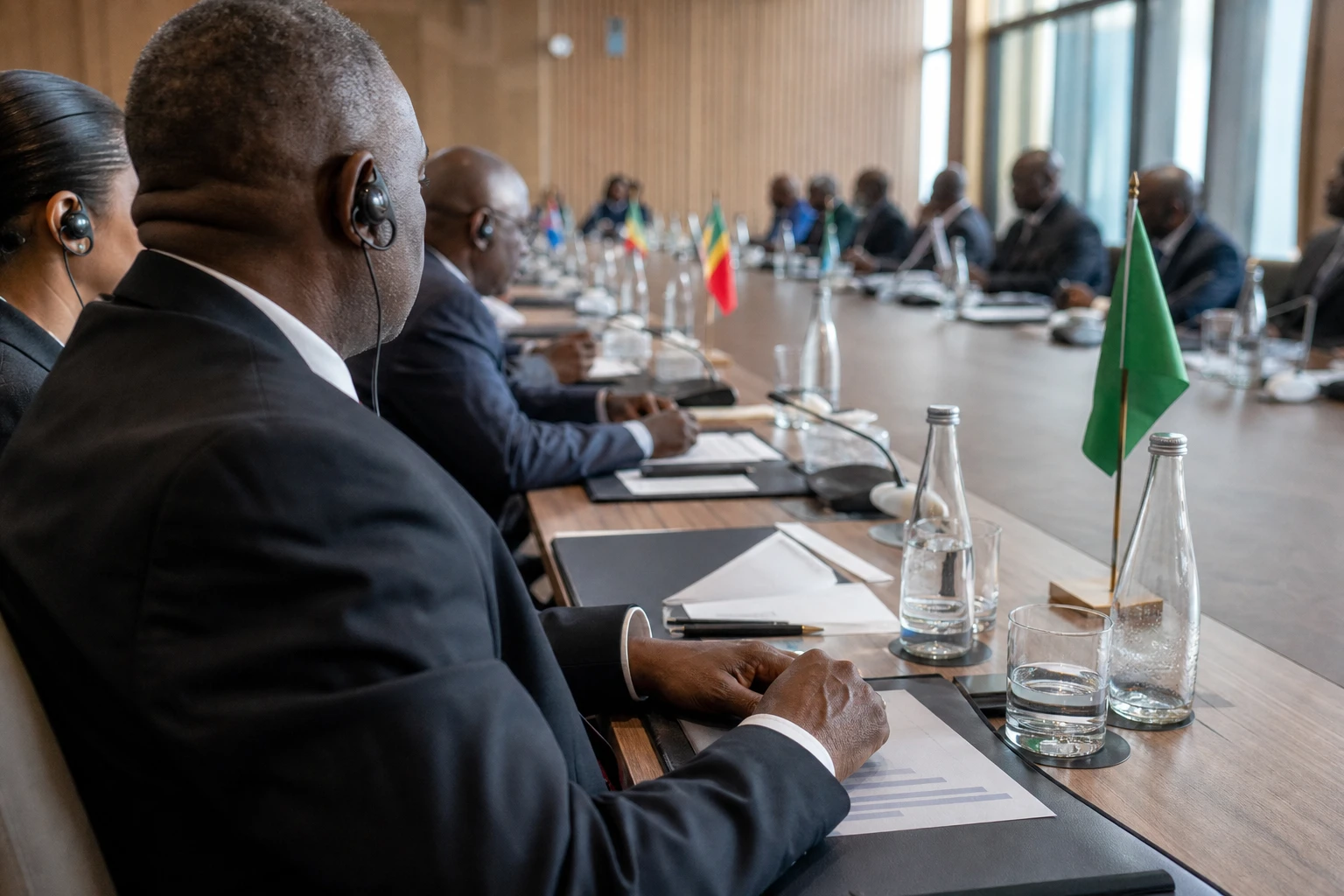
The Bukavu fires come as the Great Lakes region remains at the centre of African diplomatic efforts. The Democratic Republic of the Congo is involved in the mechanisms of the East African Community and the Southern African Development Community, two regional organisations mobilised around the crisis in the country’s east.
For residents, these diplomatic frameworks are no substitute for local responses. Security, access to healthcare and neighbourhood protection must advance alongside regional negotiations. A city exposed to violence and fires cannot wait for an overall political solution before strengthening its essential services.
The next step will be to clarify the casualty figures, identify the causes and publish the findings of a credible investigation. The authorities will also need to explain what measures will be taken in schools, densely populated neighbourhoods and areas already hit by recent disasters.
In Bukavu, the succession of disasters has turned diffuse anxiety into a clear demand: understand, prevent and protect. The response will show whether local and regional officials can treat residents’ safety as a practical priority, on a par with military and diplomatic concerns.