Algeria
 Egypt
 Libya
 Morocco
 Sudan
 Tunisia
 Benin
 Burkina Faso
 Cabo Verde
 Ghana
 Guinea
 Guinea-Bissau
 Liberia
 Mali
 Mauritania
 Niger
 Nigeria
 Senegal
 Sierra Leone
 The Gambia
 Togo
 Cameroon
 Central African Republic
 Chad
 DR Congo
 Equatorial Guinea
 Gabon
 Republic of the Congo
 São Tomé and Príncipe
 Burundi
 Comoros
 Djibouti
 Eritrea
 Ethiopia
 Kenya
 Madagascar
 Malawi
 Mauritius
 Mozambique
 Rwanda
 Seychelles
 Somalia
 South Sudan
 Tanzania
 Uganda
 Angola
 Botswana
 Eswatini
 Lesotho
 Namibia
 South Africa
 Zambia
 Zimbabwe
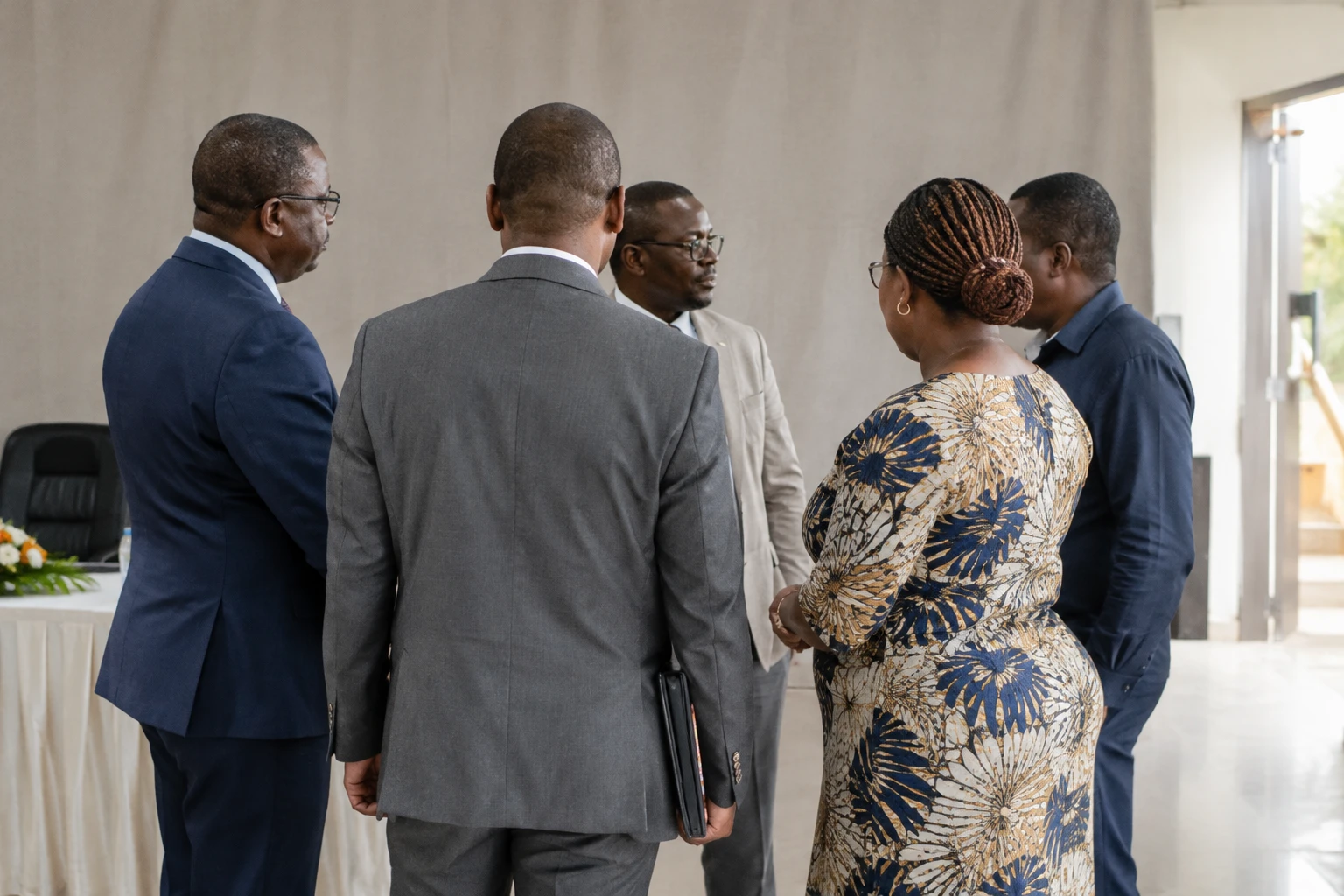
In Boundiali, in northern Côte d’Ivoire, the gold announced beneath the ground will not automatically translate into jobs, public revenue or local services. Between geological estimates and first production, the project must still clear technical, financial and regulatory hurdles.
A gold project in a changing region
The Bagoué region is part of a country where mining is taking on an increasingly important role. According to the report published by the Ivorian presidency, national raw gold production reached 59.124 tonnes in 2024, up from 12.35 tonnes in 2011. This official series therefore does not confirm the figure of 59.4 tonnes attributed to 2025 in some accounts of the project.
This development also concerns West Africa, where states are seeking to make better use of their resources while attracting the capital needed for major projects. Côte d’Ivoire is a member of ECOWAS, the West African regional economic community. But the increase in volumes extracted does not, by itself, show what share of the value will remain in the country or how it will be divided between the state, companies and neighbouring communities.
At national level, the sector’s growth is accompanied by separate projects at different stages. The Koné mine, developed by Montage Gold, achieved its first gold pour on 26 September 2026. This industrial milestone does not yet mean that the site has reached a sustained commercial production rate.
Boundiali: estimated resources, not yet a producing mine
Australian group Aurum Resources is developing the Boundiali project. On 8 October 2026, the Ivorian government said the company estimated the gold resources identified in the area at about 100 tonnes. The project summary, however, cites an estimate of 115 tonnes. These figures should not be confused with gold that has already been extracted or sold.
Data published by Aurum in May 2026 show a mineral resource of 3.22 million ounces, or about 100 tonnes of contained gold using the usual conversion. In June, the company also reported a probable reserve of 1.21 million ounces, about 37.6 tonnes. A resource is a geological estimate; a reserve is the portion considered mineable under the conditions assumed in a mining study. The two measures therefore have different scopes and levels of certainty.
This distinction explains why the figures reported do not necessarily match. Aurum is continuing drilling and a detailed feasibility study, which is due to set out the mining plan, costs and implementation conditions. The company is targeting a final investment decision towards the end of 2026 and first production in the first half of 2028, subject to the necessary steps being completed.
Financing, jobs and local benefits
The Ivorian government puts the project’s investment at about $503 million. This is a significant commitment, but the announced amount does not establish that financing is fully in place. Construction, the commissioning of facilities and the ramp-up of production will depend in particular on the results of studies, permits and the mobilisation of funds.
Aurum envisages an open-pit operation and forecasts average production of about 185,000 ounces a year during the first five years, or nearly 5.8 tonnes annually. This is a forecast from the preliminary study, not production already recorded. The government also reports estimates of about 4,200 direct and indirect jobs during construction, followed by 2,200 during production. These announcements do not yet specify the share of local hires, their duration or the qualifications required.
For residents of Boundiali and surrounding localities, the effects will therefore depend on practical measures: access for Ivorian businesses to construction contracts, training, infrastructure, water management and monitoring of environmental impacts. The mines minister said major projects should also finance infrastructure projects in the regions concerned. Their scope and timetable remain to be specified.
The benefits are not distributed evenly. Direct jobs may benefit skilled workers, while shops and informal businesses may gain — or suffer — from changes linked to construction. The rural municipalities concerned need accessible information on land, water, compensation and avenues for redress. These issues cannot be resolved by the estimated volume of gold alone.
A test for Côte d’Ivoire’s mining strategy
Boundiali could strengthen Côte d’Ivoire’s position among the region’s gold producers. But the issue goes beyond rankings by volume: it is also about turning mining investment into verifiable public revenue, lasting skills and local benefits, while controlling environmental risks.
The next steps to watch are the publication of the detailed study’s findings, the investment decision expected from the company, progress on mining permits and confirmation of the construction timetable. Until then, resource estimates, announced financing and projected production should continue to be presented as project data, distinct from results already achieved.
Cross-checking sources: data on the Boundiali gold project published by Aurum Resources, Ivorian government announcement on the project and its timetable, official report on Ivorian mining production, APA news agency report on the first gold pour at Koné.