Algeria
 Egypt
 Libya
 Morocco
 Sudan
 Tunisia
 Benin
 Burkina Faso
 Côte d'Ivoire
 Ghana
 Guinea
 Guinea-Bissau
 Liberia
 Mali
 Mauritania
 Niger
 Nigeria
 Senegal
 Sierra Leone
 The Gambia
 Togo
 Cameroon
 Central African Republic
 Chad
 DR Congo
 Equatorial Guinea
 Gabon
 Republic of the Congo
 São Tomé and Príncipe
 Burundi
 Comoros
 Djibouti
 Eritrea
 Ethiopia
 Kenya
 Madagascar
 Malawi
 Mauritius
 Mozambique
 Rwanda
 Seychelles
 Somalia
 South Sudan
 Tanzania
 Uganda
 Angola
 Botswana
 Eswatini
 Lesotho
 Namibia
 South Africa
 Zambia
 Zimbabwe
A coach with a strong track record
In Morocco, RS Berkane are not simply looking for a name to fill the dugout. The club from the Oriental region want someone capable of handling the pressure of trophies, continental travel and the expectations of a fanbase now accustomed to major occasions. In this context, the arrival of Pedro Brito, better known as Bubista, tells a simple story: Berkane want to consolidate a rise that is already clear on the African stage.
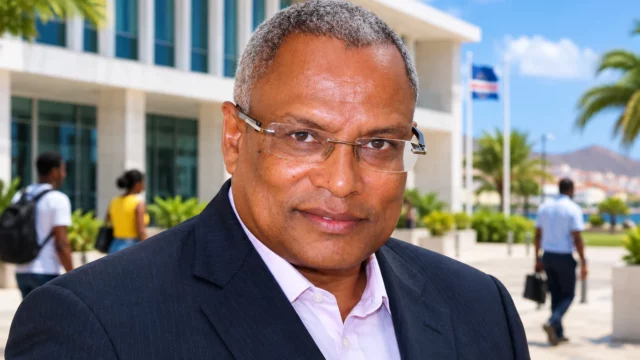
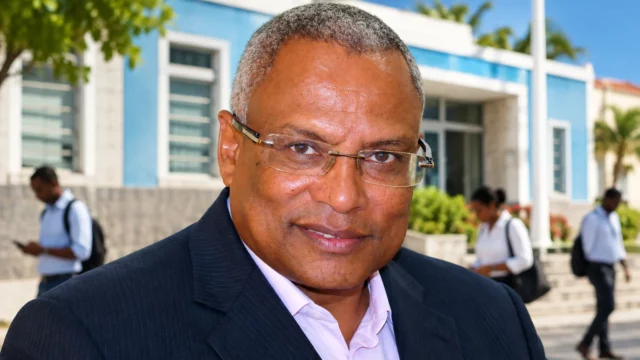
The Cape Verdean coach arrives with a reputation forged over recent competitions. He led Cape Verde to their first World Cup and helped a national side grow in tactical maturity, discipline and confidence. For a Moroccan club that has established itself among the continent’s leading sides, the choice is no accident. It reflects a quest for high standards, as well as a bet on sustained performance.
Berkane, a club now showcasing Moroccan football
RS Berkane do not command the same media attention as the country’s historic giants, but their status has changed. The club won their first Moroccan league title in March 2025, then added a third CAF Confederation Cup to their honours in May 2025. The following season, they remained among the most competitive Moroccan clubs at continental level. Their progress says much about the evolution of Moroccan football, now conceived as a structured pathway capable of producing teams that matter beyond the country’s borders.
Moïne Chaâbani’s appointment as head of the Tunisia national team opened the door. In North African football, this kind of movement between club and national-team dugouts is common. It reflects a highly mobile coaching market, where continental experience often carries as much weight as local credentials. For Berkane, the challenge is clear: replace a coach who delivered trophies with another capable of maintaining the same competitive intensity.
Bubista’s profile also helps explain the choice. At 56, he has earned credibility by leading a Cape Verde side long regarded as an outsider at the highest level. Under his management, Cape Verde finished top of their group in African qualifying for the 2026 World Cup, then produced a historic campaign in the finals. The country held Spain to a draw, stood firm against Uruguay and Saudi Arabia, before losing to Argentina after extra time in the round of 32. The run confirmed a method based on organisation, composure, reading key moments and making a team count without overplaying.
What the choice says about Morocco and the continent
In Moroccan football, the decision is part of a broader trend. The kingdom is preparing for major continental and global events, with a sports diplomacy strategy that places clubs, infrastructure and competitions at the heart of its image. Rabat hosted the CAF Awards in November 2025, while several Moroccan clubs continued to make their mark in African club competitions. This visibility gives local organisations an additional argument for attracting established figures, including those coming from national teams.
For Berkane, the challenge is twofold. On the pitch, they must preserve a winning culture in a calendar that combines the Botola Pro, domestic cups and African competition. Institutionally, they must sustain the project’s appeal after seasons marked by major successes. That requires a coach able to manage international players, local stalwarts and the pressure on a club that is no longer flying under the radar. Bubista fits the equation: he knows how to manage a group under pressure, get the best out of a collective and establish a stable playing philosophy.
The move also has significance for Africa. It shows that a Moroccan club can recruit on the strength of a continental career built elsewhere in Africa, without defaulting to European markets. That is an important development. It speaks to the confidence several North African domestic competitions have earned, as well as the growing standing of African coaches themselves. In a landscape where national teams, clubs and federations increasingly intersect, dugouts are becoming a channel for the exchange of African expertise.
One immediate question remains: how will this choice translate into the squad and results? The answer will come quickly, because a club like Berkane is judged over short timeframes. In the Botola Pro, patience is limited. In Africa, even less so. That is where the real significance of this appointment will be measured: not in the prestige of the name, but in the ability to turn an outstanding run into a lasting cycle.