Algeria
 Egypt
 Libya
 Morocco
 Sudan
 Tunisia
 Benin
 Burkina Faso
 Côte d'Ivoire
 Ghana
 Guinea
 Guinea-Bissau
 Liberia
 Mali
 Mauritania
 Niger
 Nigeria
 Senegal
 Sierra Leone
 The Gambia
 Togo
 Cameroon
 Central African Republic
 Chad
 DR Congo
 Equatorial Guinea
 Gabon
 Republic of the Congo
 São Tomé and Príncipe
 Burundi
 Comoros
 Djibouti
 Eritrea
 Ethiopia
 Kenya
 Madagascar
 Malawi
 Mauritius
 Mozambique
 Rwanda
 Seychelles
 Somalia
 South Sudan
 Tanzania
 Uganda
 Angola
 Botswana
 Eswatini
 Lesotho
 Namibia
 South Africa
 Zambia
 Zimbabwe
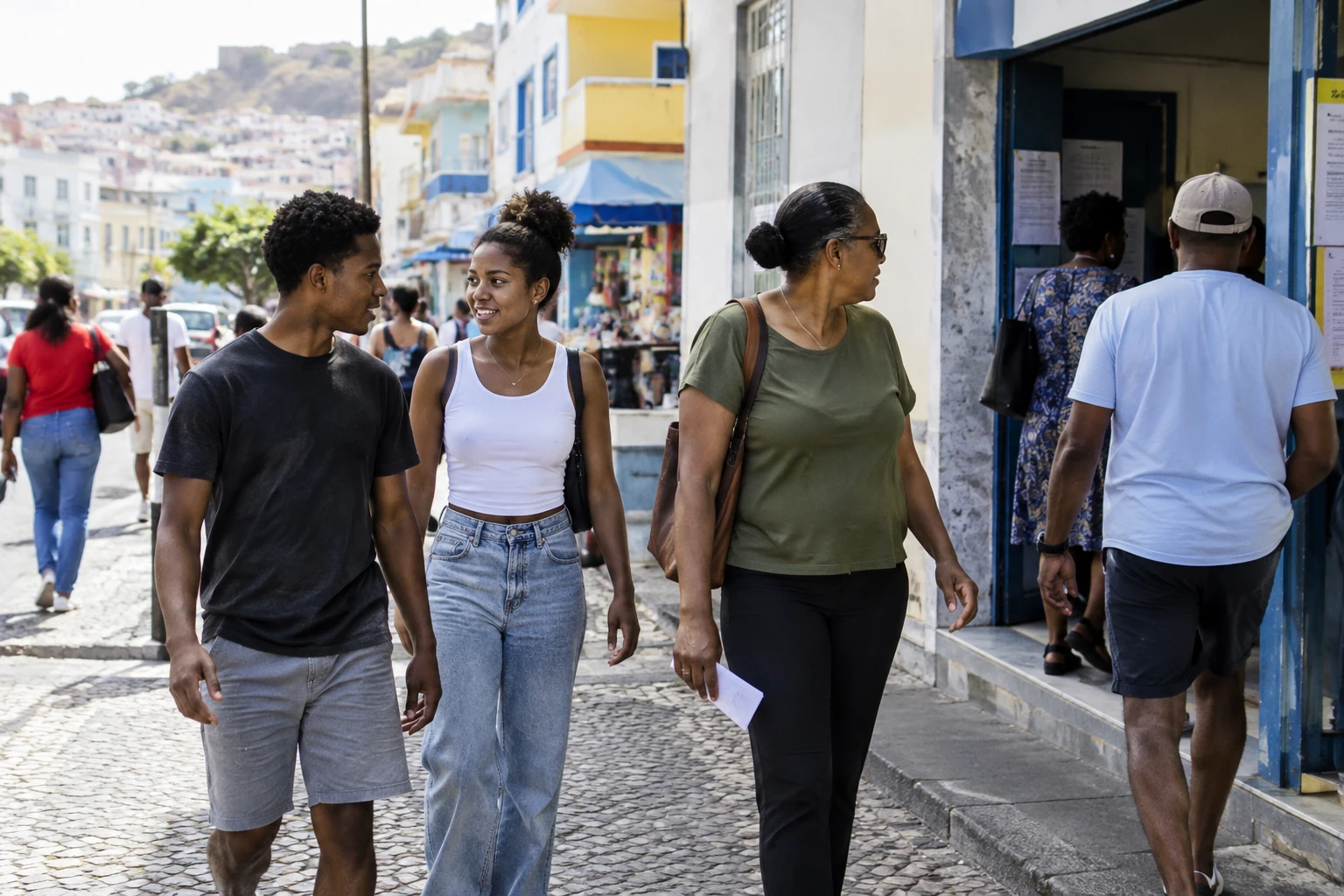
In Praia and across the other islands, the presidential election on Sunday 15 November poses a practical question: how can Cabo Verde turn growth into jobs and opportunities for young people? Stable institutions are an achievement. On their own, however, they are not enough to keep people from leaving to seek their future elsewhere.
The vote is taking place in an archipelago where politics is shaped both by relations between the islands and by a large diaspora. Tourism revenue supports economic activity, while the cost of living, mobility and access to work remain central concerns. For some families, emigration is both a difficult departure and a source of income sent from abroad.
A presidential vote in a system of shared powers
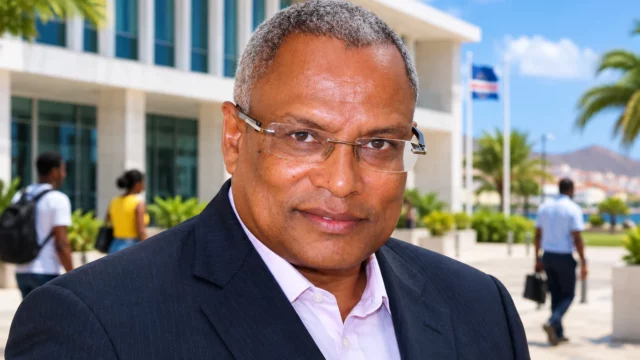
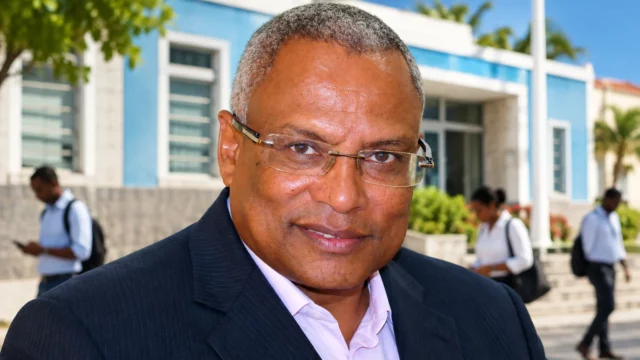
Six candidates are vying for a five-year term. The incumbent, José Maria Neves, is backed by the African Party for the Independence of Cabo Verde (PAICV). He is facing, among others, Joana Gomes Rosa Amado, a former justice minister and candidate for the Movement for Democracy (MpD). She is the first woman to run for the country’s presidency. The list of approved candidates was published by the National Electoral Commission and subsequently reported by Cabo Verdean and international media.The Cabo Verde official bulletin on the candidacies confirms that the election will be held on 15 November.
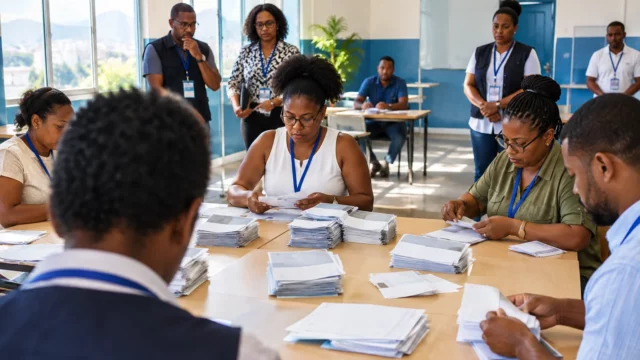
The four other candidates are Antero Tavares, Casimiro de Pina, Gilson Alves and Loisito Tavares de Sousa. Nearly 426,000 voters are eligible to cast ballots, including about 77,000 registered outside the archipelago, according to TV5MONDE. These figures give the diaspora vote significant weight, without prejudging its impact on the final result.Data on candidates and voters have been cross-checked against local electoral information.
Cabo Verde is a semi-presidential republic: the president is responsible, among other things, for ensuring that institutions function, while the government leads executive action. The presidential vote therefore does not replace parliamentary elections, but it can alter the political balance at the top of the state. In May 2026, the PAICV returned to government after ten years of MpD rule, according to campaign reports. The presidential election thus puts the relationship between a presidency and a government now drawn from the same political camp at stake.
Growth does not resolve the question of job opportunities
Economic indicators point to sustained growth, but figures must be dated and attributed. The World Bank estimates real growth at 6.3% in 2025, driven mainly by tourism. It also put youth unemployment at more than 15% in its July 2026 economic update. The International Monetary Fund, for its part, estimated growth of 5.2% for 2025 in a report published in December 2025. These differences are a reminder that figures can vary according to estimates and revisions.The World Bank’s 2026 economic update and the IMF report on Cabo Verde present these estimates.
This activity primarily benefits sectors linked to visitors and services. But national growth does not guarantee a stable job on every island, or for every young graduate or new entrant to the labour market. Differences between tourist areas, other parts of the country and the capital also matter: access to training, transport and available jobs is not uniform across the archipelago.
The campaign has also brought the high cost of living and dependence on energy imports back into focus. The government has announced support measures, including a temporary 10% cut in the price of marine diesel for the fishing sector, as well as a plan for subsidised inter-island transport fares from January 2027. These announcements will need to be assessed in terms of their implementation, funding and effects on the prices paid by households and businesses.
Emigration: departures and enduring ties
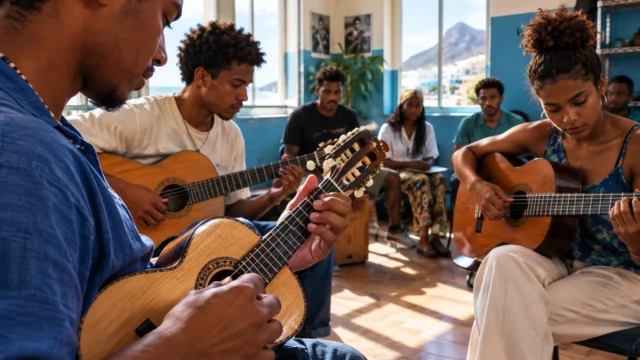
Young people leaving is not a new phenomenon in Cabo Verde. It is part of a long history of migration, reinforced by linguistic and family ties with Portugal and other host countries. For those who stay, departures can make it harder to recruit for some occupations. For families, money sent by relatives living abroad helps meet everyday expenses and supports the national economy.
The World Bank puts personal remittances received at 11.7% of gross domestic product in 2025. This confirms their importance, but does not mean that all families benefit equally. Nor does it show that remittances offset the social effects of separation or labour needs.The World Bank’s indicators for Cabo Verde distinguish, among other things, between remittances and economic growth.
Joana Rosa Amado has emphasised vocational training and better working conditions as a response to emigration. The incumbent president, for his part, has championed more inclusive growth and improved mobility between the islands. These proposals point to a shared challenge, without guaranteeing that they will produce results quickly: ensuring that new activity creates accessible and lasting jobs beyond the tourist hubs.
A Cabo Verdean issue, a regional signal
A member of the Economic Community of West African States (ECOWAS), Cabo Verde is part of a regional bloc with varied political trajectories. Its election is taking place in a country that has experienced neither a coup nor an institutional rupture since independence in 1975. This continuity sets Cabo Verde’s path apart, without making it a model that can be mechanically applied to its neighbours.
The result will also show how voters want to balance institutional oversight, cohesion between the islands and a response to social expectations. If no candidate secures the required majority, a second round is scheduled for 29 November. Beyond the choice of head of state, the question will be whether political stability can support a wider distribution of the benefits of growth and give young people more reasons to build their future in the archipelago.