Algeria
 Egypt
 Libya
 Morocco
 Sudan
 Tunisia
 Benin
 Burkina Faso
 Côte d'Ivoire
 Ghana
 Guinea
 Guinea-Bissau
 Liberia
 Mali
 Mauritania
 Niger
 Nigeria
 Senegal
 Sierra Leone
 The Gambia
 Togo
 Cameroon
 Central African Republic
 Chad
 DR Congo
 Equatorial Guinea
 Gabon
 Republic of the Congo
 São Tomé and Príncipe
 Burundi
 Comoros
 Djibouti
 Eritrea
 Ethiopia
 Kenya
 Madagascar
 Malawi
 Mauritius
 Mozambique
 Rwanda
 Seychelles
 Somalia
 South Sudan
 Tanzania
 Uganda
 Angola
 Botswana
 Eswatini
 Lesotho
 Namibia
 South Africa
 Zambia
 Zimbabwe
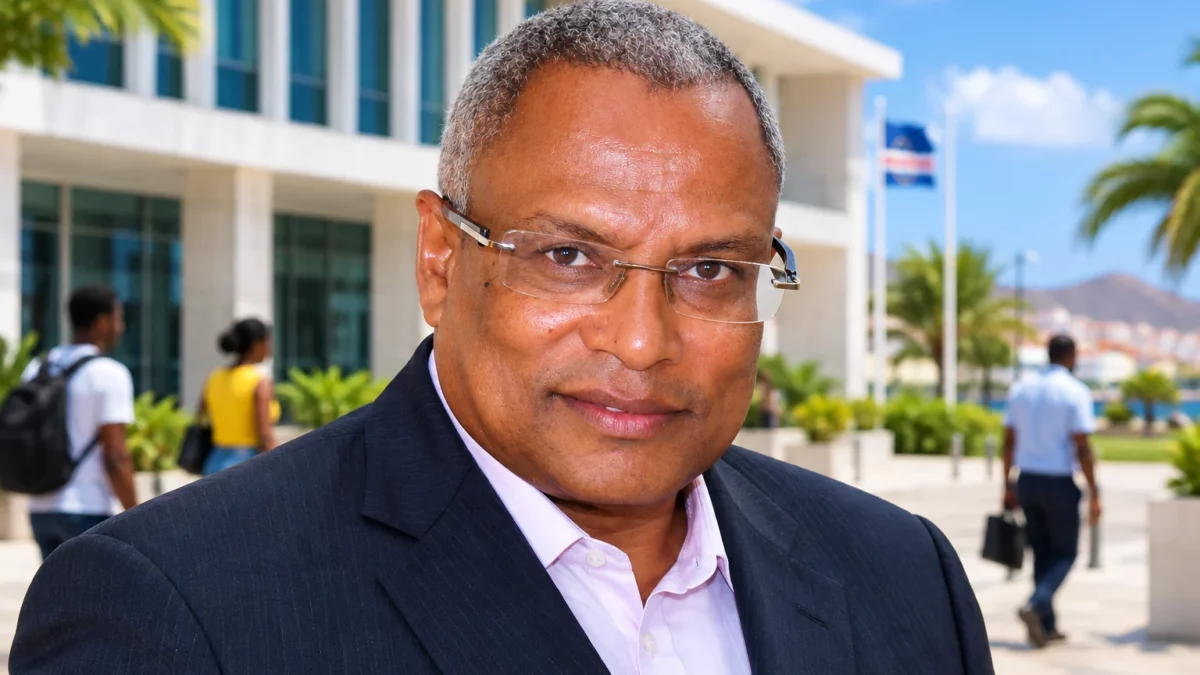
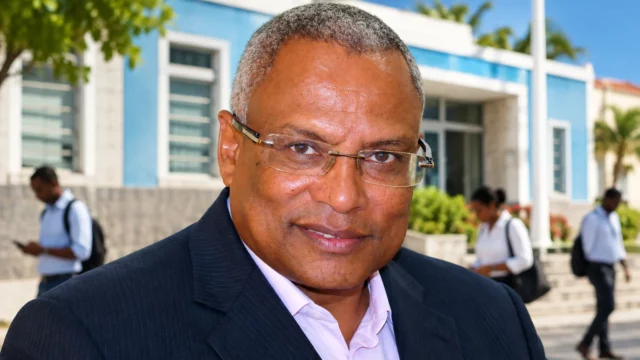
A clear victory does not tell the whole story of an election. In Cape Verde, José Maria Neves was re-elected on 15 November 2026 with about 64% of the votes cast. But nearly seven in ten registered voters did not vote. This contrast puts turnout and purchasing power at the heart of the new term.
A clear result, turnout to be examined
Provisional results give the incumbent president 63.8 to 64% of the vote. Joana Rosa, backed by the Movement for Democracy (MpD), came second with about 31.5%. These figures are reported by several sources, including the African news agency APA and the Associated Press. The provisional count secures Neves a first-round victory.
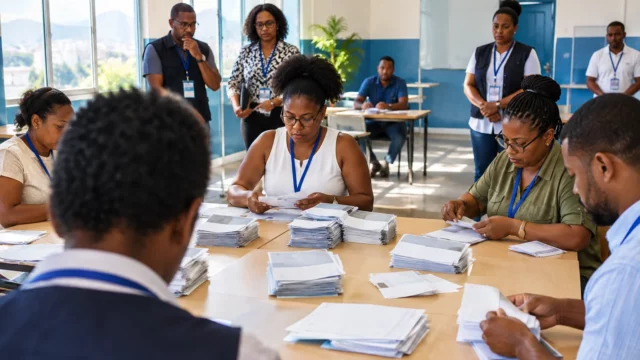
Turnout, however, was low: about 31.7%, meaning abstention was close to 68%. The figure is reported by the Associated Press. It is not enough to conclude that voters rejected the president or the political system. José Maria Neves cited emigration, population movements and electoral rolls in need of updating. These are his explanations; the low turnout calls for wider scrutiny.
The election was held in a West African archipelago where changes of government regularly take place through the ballot box. Cape Verde is a member of the Economic Community of West African States (ECOWAS), which brings countries in the region together around economic and political co-operation. This democratic continuity contrasts with the institutional ruptures seen in several West African states, without erasing the challenges specific to the archipelago.
Purchasing power at the heart of the promises
In Praia, the capital, Neves pledged to defend freedoms, democracy and the rule of law. He also called for “inclusive and environmentally respectful” growth that improves family incomes and reduces social and regional inequalities. The promise addresses a concrete question: how can economic progress be reflected in household budgets across the different islands?
The economic backdrop includes real progress. The World Bank estimates that national poverty fell from 35.5% in 2015 to 24.8% in 2023. It links this decline, among other factors, to the recovery in services and remittances from the diaspora. But the national average masks disparities: in 2023, the poverty rate stood at 35.2% in rural areas, compared with 21.3% in urban areas.
Tourism plays a central role in this open island economy. It contributes significantly to economic activity, but also leaves the country sensitive to shocks affecting travel, trade and international prices. Remittances from the diaspora also support families, but cannot replace stable jobs or services accessible in every region. Macroeconomic results therefore do not, on their own, guarantee a uniform improvement in living conditions.
A presidency with an arbiter’s role, a government at work
The re-election follows a major political change. In May 2026, the African Party for the Independence of Cape Verde (PAICV) won 37 of the 72 seats in the National Assembly. Its leader, Francisco Carvalho, was appointed prime minister on 19 June, after a decade of MpD government. The Inter-Parliamentary Union confirms the legislative result and the new majority.
This arrangement gives the PAICV responsibility for leading the government and its programme. The president, elected by direct suffrage, represents the institutions and can play an arbitral role; he does not direct economic policy alone. Decisions on jobs, wages, housing and public services will therefore depend largely on the cabinet’s actions and budget choices. Political alignment between the presidency and the government could facilitate dialogue, but it does not guarantee that promises will be delivered.
Public finances also impose constraints. In its 2026 report, the International Monetary Fund estimates public debt at 102.5% of gross domestic product in 2025. The Fund highlights the country’s exposure to external and climate shocks. Reducing debt while funding social priorities and climate adaptation will be a central trade-off for the government.
What comes next: turning the mandate into measurable results
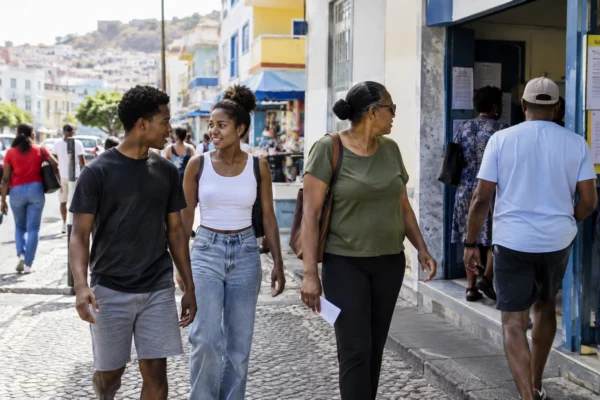
The new term begins against a backdrop in which political stability coexists with income disparities, emigration and heavy reliance on service industries. For urban households, the challenges can be seen in the cost of living and access to housing. In rural areas and less connected islands, they also involve access to services, transport and employment opportunities. National policies will need to take these differing realities into account.
At the level of ECOWAS and the African Union, the election is a reminder that peaceful transitions and functioning institutions are achievements that need to be sustained. Low turnout nevertheless invites scrutiny of public confidence, particularly among young people and Cape Verdeans living abroad. The next indicators will be concrete: changes in incomes, jobs created, regional disparities and the state’s ability to fund its commitments. Re-election opens five years of responsibility; it is no advance report card.