Algeria
 Egypt
 Libya
 Morocco
 Sudan
 Tunisia
 Benin
 Burkina Faso
 Côte d'Ivoire
 Ghana
 Guinea
 Guinea-Bissau
 Liberia
 Mali
 Mauritania
 Niger
 Nigeria
 Senegal
 Sierra Leone
 The Gambia
 Togo
 Cameroon
 Central African Republic
 Chad
 DR Congo
 Equatorial Guinea
 Gabon
 Republic of the Congo
 São Tomé and Príncipe
 Burundi
 Comoros
 Djibouti
 Eritrea
 Ethiopia
 Kenya
 Madagascar
 Malawi
 Mauritius
 Mozambique
 Rwanda
 Seychelles
 Somalia
 South Sudan
 Tanzania
 Uganda
 Angola
 Botswana
 Eswatini
 Lesotho
 Namibia
 South Africa
 Zambia
 Zimbabwe
In Cape Verde, the presidential election on Sunday 15 November takes place after a change in the parliamentary majority. The vote raises questions of institutional continuity, but also of representation: how can all the islands benefit from growth driven by tourism?
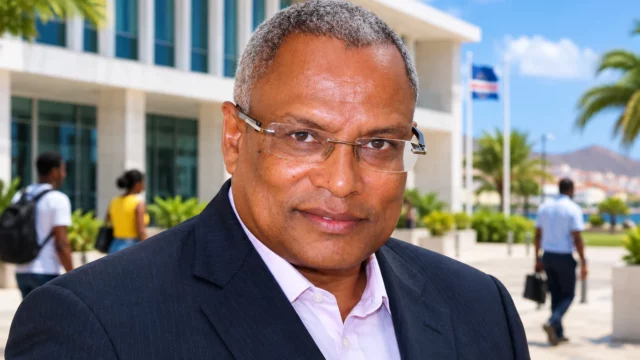
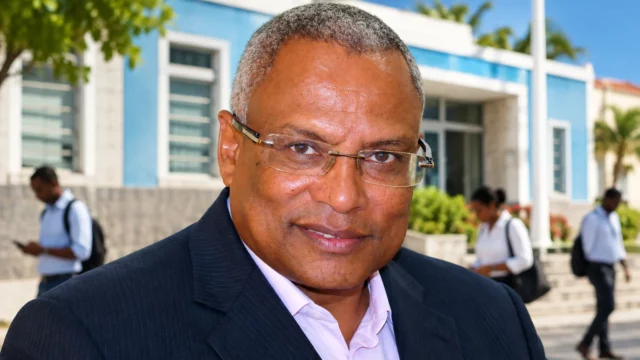
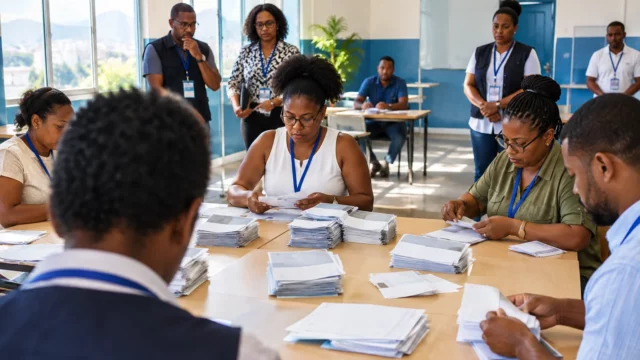
Outgoing president José Maria Neves is seeking a second term. He faces five other candidates, including Joana Gomes Rosa Amado, a lawyer and former justice minister. The National Electoral Commission has confirmed the six candidacies and set polling station opening hours from 8am to 6pm.
Presidential election follows PAICV’s return to Parliament
The presidential election comes a few months after the parliamentary elections of 17 May 2026. The PAICV, the African Party for the Independence of Cape Verde, won 37 of the 72 seats in the National Assembly. It has thus regained the parliamentary majority after ten years of government by the Movement for Democracy (MpD).
This victory changes the political landscape around the head of state. Elected in 2021, Neves belongs to the PAICV. Joana Amado is backed by the MpD, now the main opposition party. The parliamentary results therefore provide important context for the campaign, without determining the outcome of a separate presidential election.
Cape Verde is a semi-presidential republic: the president is elected by direct universal suffrage, while the prime minister and government conduct most executive business. The head of state retains constitutional responsibilities, notably in promulgating laws and the functioning of institutions. The role is therefore not merely symbolic, even though the president does not direct public policy day to day.
This division of roles took the form of cohabitation during the previous political cycle: Neves, of the PAICV, served as president while the MpD led the government. The new parliamentary majority resulting from the elections changes that balance. The next president will have to work with institutions whose political relations have just changed.
Six candidates, two prominent figures
José Maria Neves, prime minister from 2001 to 2016, has also served as a member of parliament and mayor. His experience at the top of government and the PAICV’s support put him at the centre of the campaign. He is described as the favourite in some analyses, but no election has yet taken place: this status is not a certain prediction of the result.
Joana Gomes Rosa Amado, meanwhile, is standing for the MpD. A lawyer and former justice minister, she is the first woman to run for the country’s presidency, according to information released about her candidacy. Her presence gives women new visibility in a national contest that has until now been fought by men.
The four other candidates are Antero Lúcio Lopes Francês Tavares, Casimiro Jesus Lopes de Pina, Gilson João dos Santos Alves and Loisito Tavares de Sousa. Their presence is a reminder that the election is not simply a contest between the two figures backed by the main parties. Their results will also help shape an understanding of voters’ expectations.
Growth is not felt equally on every island
The political debate is taking place in a country whose economy has grown strongly thanks to tourism. The World Bank reports real growth of 6.3% in 2025, driven in particular by tourist numbers and consumption. It nevertheless estimates that growth could slow to 4.8% in 2026.
These figures alone do not show how income and jobs are distributed. Tourism activities are concentrated particularly on Sal and Boa Vista. Businesses, workers and residents of less connected islands do not necessarily benefit from the same momentum. Social inequalities, insularity and the cost of travel between the islands remain practical concerns.
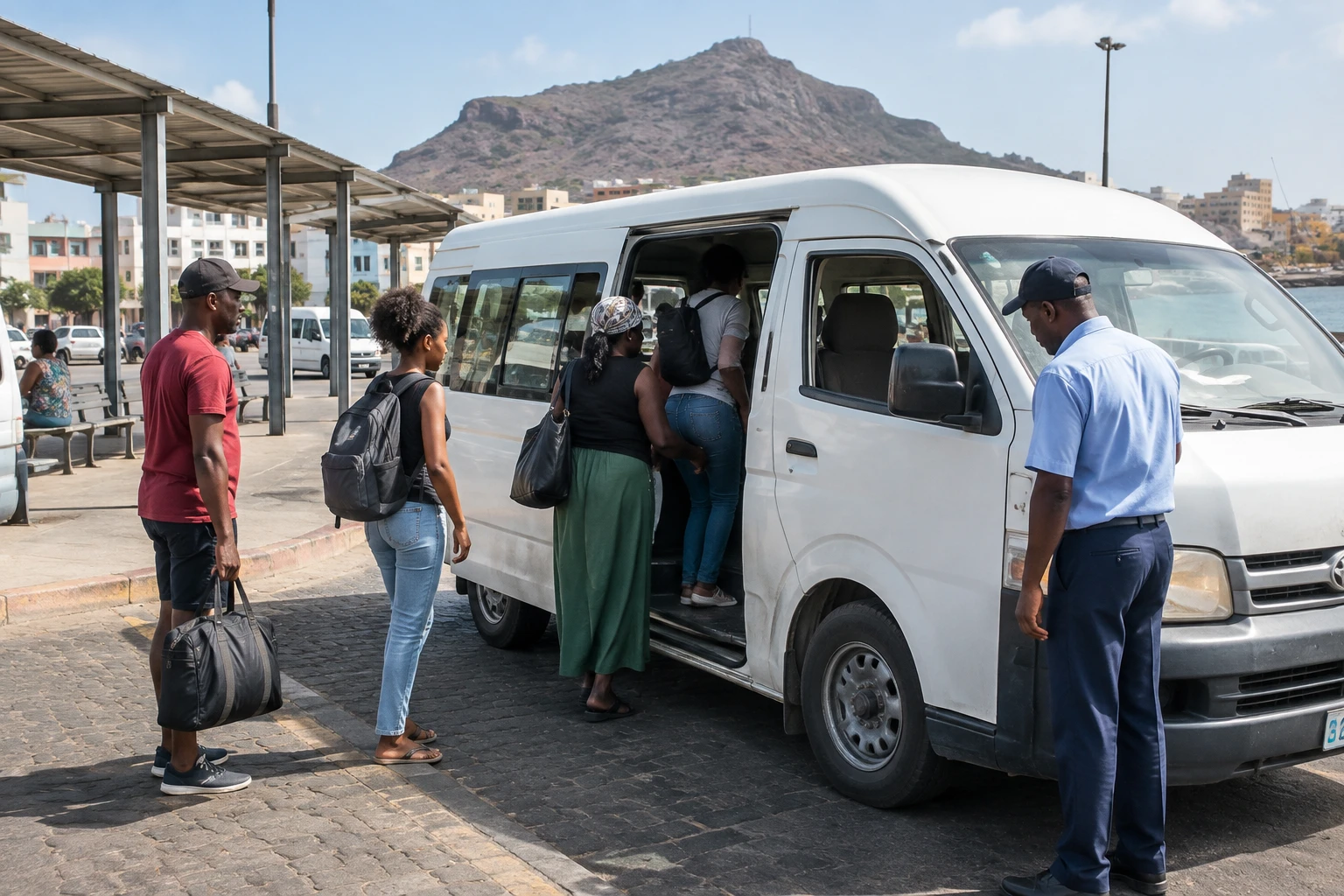
The World Bank notes that domestic air and sea links are costly and sometimes unreliable. This makes it harder for families to travel, access services and move goods. Connectivity also determines whether activities can be developed beyond the main tourism hubs, particularly in fishing, agriculture and local services.
The president cannot reorganise transport or steer economic policy alone. But the office-holder can influence public debate, exercise constitutional powers and represent the concerns of the different islands. Voters will choose between the candidates in an archipelago where geographical distance means national decisions translate into very different realities depending on where people live.
A democratic contest watched across the region
A member of the Economic Community of West African States (ECOWAS), Cape Verde stands out in a region with diverse political trajectories. Elections remain a central mechanism for renewing those in power. The conduct of the vote and acceptance of the results will therefore be watched beyond the archipelago, without making the country a model that can simply be applied to its neighbours.
The 15 November vote will elect the head of state for five years. It will offer an initial indication of how voters assess Neves’s term, the PAICV’s new majority and the platform put forward by the MpD. The issue of mobility between the islands, and the sharing of the benefits of growth, will remain central national concerns after the election.