
 Algeria
 Egypt
 Libya
 Morocco
 Sudan
 Tunisia
 Benin
 Burkina Faso
 Cabo Verde
 Côte d'Ivoire
 Ghana
 Guinea
 Guinea-Bissau
 Liberia
 Mali
 Mauritania
 Niger
 Nigeria
 Senegal
 Sierra Leone
 The Gambia
 Togo
 Cameroon
 Central African Republic
 Chad
 Equatorial Guinea
 Gabon
 Republic of the Congo
 São Tomé and Príncipe
 Burundi
 Comoros
 Djibouti
 Eritrea
 Ethiopia
 Kenya
 Madagascar
 Malawi
 Mauritius
 Mozambique
 Rwanda
 Seychelles
 Somalia
 South Sudan
 Tanzania
 Uganda
 Angola
 Botswana
 Eswatini
 Lesotho
 Namibia
 South Africa
 Zambia
 Zimbabwe
A reassuring discharge, but danger remains
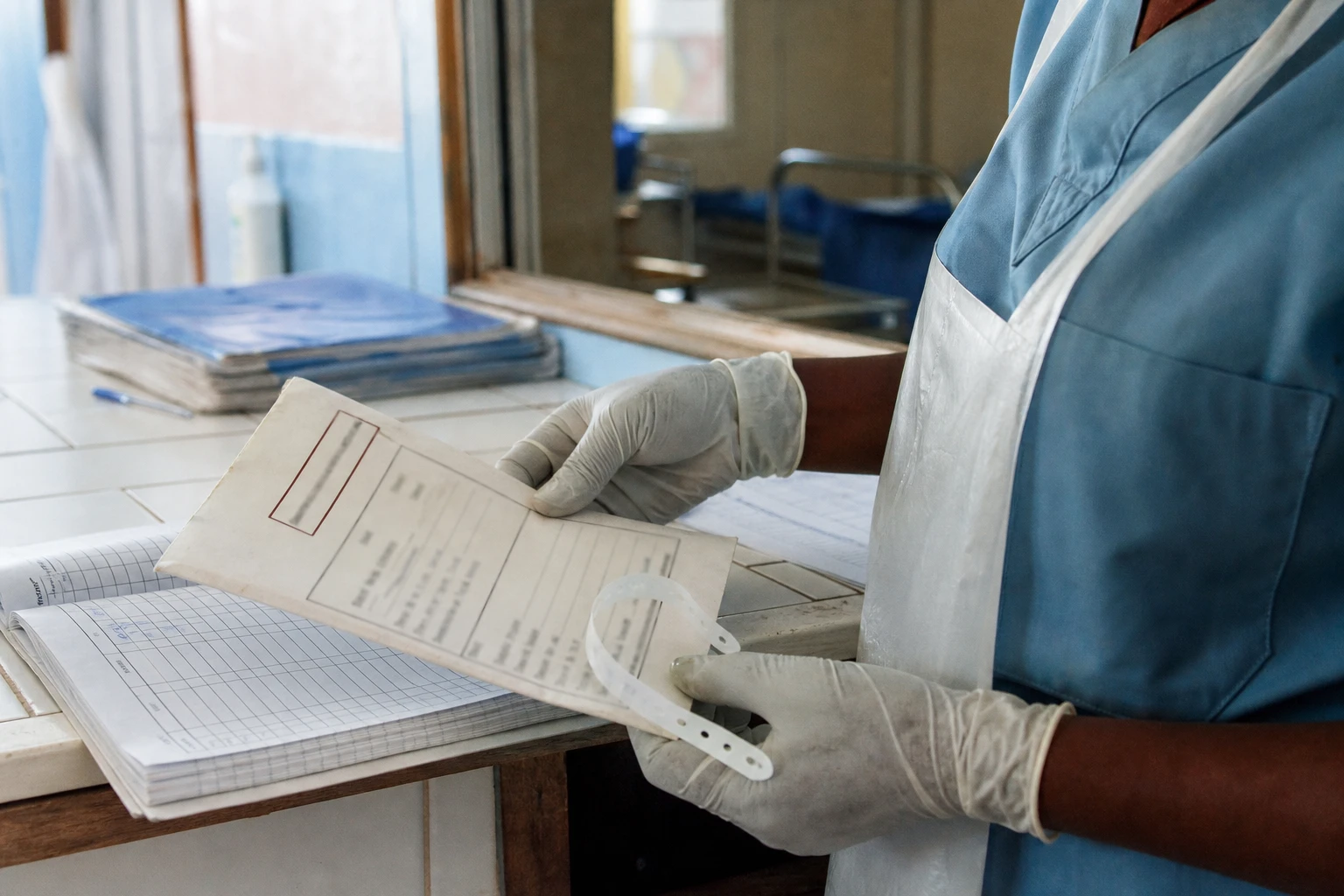
In Beni, in the north-east of the Democratic Republic of the Congo, five people who recovered from Ebola left treatment centres on Monday 31 August 2026. They included two children, two women and a healthcare worker. For a city accustomed to health alerts, this group discharge matters. It shows that prompt care can change the course of the disease, even at the heart of an ongoing outbreak.
The public health message is simple but decisive: the sooner a patient reaches a healthcare facility, the better their chances. This is precisely the message response teams want these recoveries to convey. They come in an area where mistrust, rumours and fear can delay alerts. In this context, each patient discharged after recovery also becomes a tool for raising awareness.
An outbreak within a wider regional crisis
This local improvement is part of a wider health crisis, which began in May 2026 in Ituri province. On 17 May 2026, the WHO confirmed that the Ebola outbreak caused by the Bundibugyo virus constituted a public health emergency of international concern. In the same month, Africa CDC classified the event as a public health emergency of continental security, to coordinate the response across Africa.
The outbreak affects DR Congo and Uganda, explaining the level of regional alert. It spans an area with frequent movement, from border markets to trade routes, where cross-border transmission can quickly complicate surveillance. African authorities have also stressed coordination between neighbouring countries rather than general restrictions, which they consider of little use if they prevent healthcare workers and supplies from getting through.
What Beni’s recoveries tell us
According to figures reported in Beni, eleven patients have been declared recovered since the outbreak began in the city. The five discharges on 31 August therefore represent the largest group discharge recorded at the two local treatment centres since the episode began. The information is consistent with data from the ongoing epidemic response, which show structured care across several areas of eastern DR Congo.
But the recovery of five patients does not mean the alert is over. The WHO says that, at this stage, there is no vaccine or treatment specifically approved for the Bundibugyo virus, although research and emergency guidance exist around some tools already licensed for other Ebola strains. In practice, survival depends first on early detection, rapid isolation and clinical support.
This reality gives Beni particular significance. In an Ebola epidemic, survivors are not just patients who have recovered. They also become living proof that a health system can contain the disease when alerted in time. Their presence can reduce fear, provided public messaging remains clear, consistent and grounded in facts.
Implications for DR Congo and the continent
For Kinshasa, the stakes go beyond Beni alone. The Ebola response is testing the state’s capacity to detect, transport, isolate and treat patients quickly in a vast country where distances, security and the condition of roads complicate everything. It is also testing trust between the population, healthcare workers and health authorities, a factor often as important as material resources.
Across Africa, this outbreak is a reminder of a strategic truth: diseases with epidemic potential can no longer be managed country by country. Africa CDC, the African Union and the WHO have stressed surveillance at points of entry, rapid data-sharing and the protection of healthcare workers. The fact that a healthcare worker is among those who recovered in Beni is a reminder, too, that the first line of defence is human, fragile and exposed.
The next test will be sustaining the response. As long as new cases can emerge in Ituri or neighbouring health zones, every recovery must be viewed cautiously, as real progress but not a definitive turning point. In Beni, there is hope. It rests less on a miracle than on a simple public health rule: detect early, treat quickly and keep people informed.



