Algeria
 Egypt
 Libya
 Morocco
 Sudan
 Tunisia
 Benin
 Burkina Faso
 Cabo Verde
 Côte d'Ivoire
 Ghana
 Guinea
 Guinea-Bissau
 Liberia
 Mali
 Mauritania
 Niger
 Nigeria
 Senegal
 Sierra Leone
 The Gambia
 Togo
 Cameroon
 Central African Republic
 Chad
 DR Congo
 Equatorial Guinea
 Gabon
 Republic of the Congo
 São Tomé and Príncipe
 Burundi
 Comoros
 Djibouti
 Eritrea
 Ethiopia
 Kenya
 Madagascar
 Malawi
 Mauritius
 Mozambique
 Rwanda
 Seychelles
 Somalia
 South Sudan
 Tanzania
 Uganda
 Botswana
 Eswatini
 Lesotho
 Namibia
 South Africa
 Zambia
 Zimbabwe
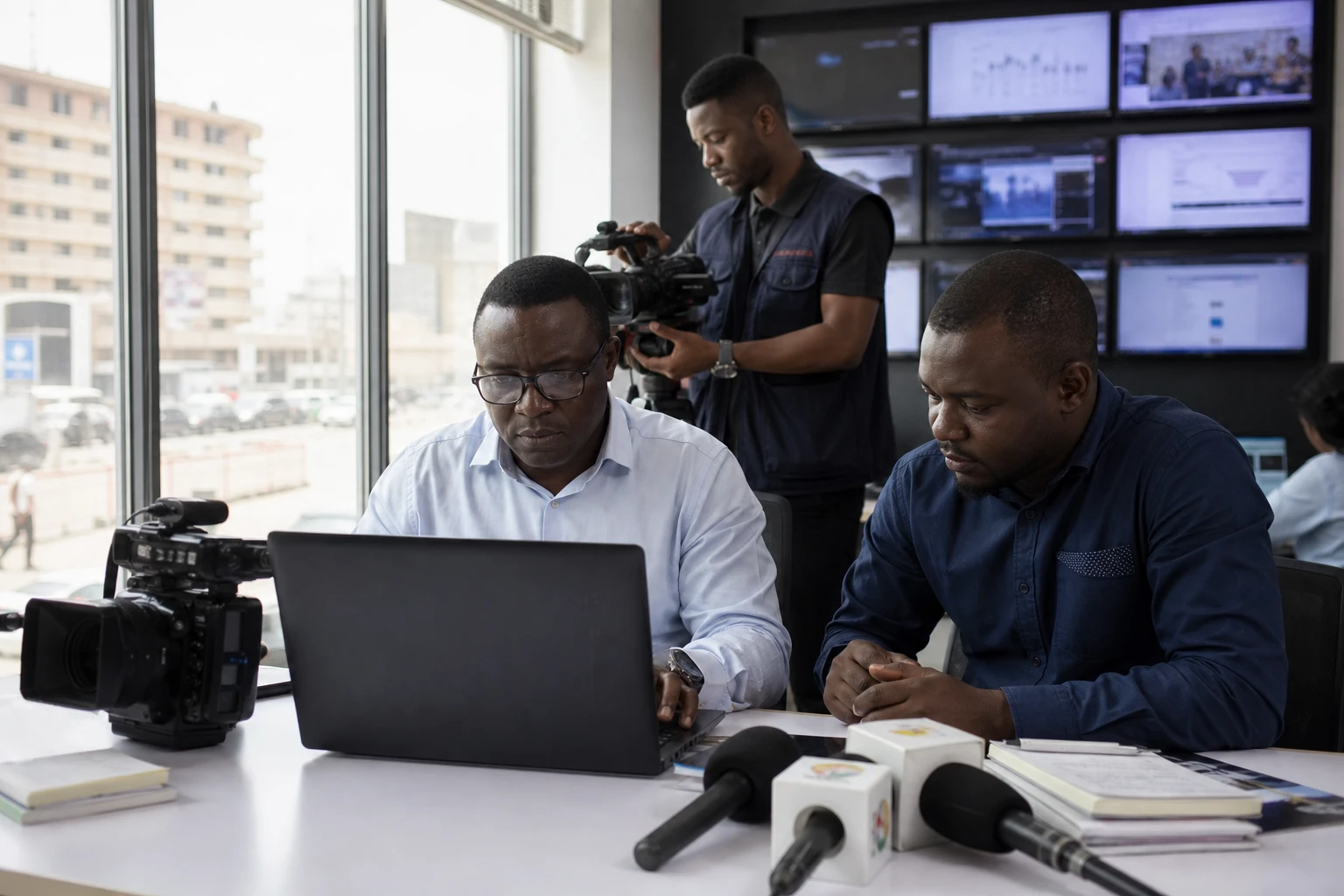
In Luanda, gas finally becomes a source of value
In Angola, major energy promises are no longer centred solely on oil. The country is now seeking to make gas an industrial, fiscal and diplomatic asset. This is an important shift for a state whose economy remains heavily exposed to oil revenues, but which wants to broaden its productive base and secure new sources of income.
This change also matters beyond Angola’s borders. In Southern Africa, the Southern African Development Community, or SADC, has for several years promoted a more integrated approach to gas, with corridors, infrastructure and regional markets to be developed. Angola, with its deep offshore basins and strategic coastline, can play a role as a supplier, but also as an industrial hub.
Katambi-2, a geological and political signal
On Thursday 6 August 2026, Sonangol and the Agência Nacional de Petróleo, Gás e Biocombustíveis, or ANPG, announced that the Katambi-2 appraisal well, on Block 24 offshore Angola, had confirmed reservoirs more favourable than those identified by BP at the time. The well recorded a stabilised flow rate of 41 million cubic feet of gas per day, as well as 1,160 barrels of condensate. Preliminary potential is estimated at more than 100 million cubic feet per day.
The site is notable for the absence of water and hydrogen sulphide, two elements that generally affect a deposit’s commercial quality. According to data cited by the national company, Katambi could contain around 1.7 billion barrels of oil equivalent, mainly in the form of gas and condensate. If these estimates are confirmed, it would be the largest gas field identified in the country to date.
The name Katambi is not new to Angola’s oil landscape. ANPG technical documents and specialist references indicate that the field had previously been linked to a discovery made in 2014 and subsequently deemed non-commercial by BP, which later left the block. What is new here is less the presence of gas than the economic assessment of the reservoir and the evaluation method.
Why this field is more than good news for Sonangol
For Angola, the issue goes beyond the volume of gas. Since 2018, the legal framework has been revised to open up exploration and production of non-associated natural gas to private investment, with a dedicated tax regime. The authorisation law adopted in May 2018 specifically created a regulatory framework for this segment, which had previously held little appeal for operators.
The reform addressed a simple reality: as long as the state retained an effective monopoly over non-associated gas, companies lacked sufficient incentive to develop these volumes, especially in costly and remote projects. The challenge now is to turn a long-underdeveloped resource into a local value chain: energy, fertilisers, industry, LNG exports and electricity generation.
The macroeconomic context reinforces this logic. In 2026, the International Monetary Fund continues to stress the need for Angola to preserve fiscal stability while reducing its dependence on volatile revenues. In this context, every viable gas project matters, as it can generate more diversified income than crude oil alone while supporting longer-term industrial investment.
The question, however, remains the cost of accessing the market. Katambi-2 is far from offshore infrastructure already in operation. Published estimates put the distance from existing facilities at around 500 kilometres, a gap that will be reduced only partly as the Kaminho project ramps up. Two options are under consideration: an offshore floating liquefaction terminal or a pipeline of around 75 kilometres to the Lobito industrial complex.
Between Lobito, Luanda and SADC, an infrastructure contest
The choice between floating liquefaction and a pipeline is not merely a technical one. It will determine the field’s place in Angola’s economy. A floating terminal would favour rapid LNG exports. An onshore connection to Lobito would offer greater scope for local industrialisation in an area already expected to become a major logistics hub for the country. The calculation is therefore as geopolitical as it is financial.
At regional level, Angola is also drawing closer to SADC discussions on energy security. The organisation’s regional gas plan explicitly lists Angola among the countries whose resources can support a more integrated energy architecture. This gives Luanda room to manoeuvre: exporting, supplying the domestic market and wielding greater influence in regional negotiations on interconnections and the industrial uses of gas.
The precedent of Quiluma and Maboqueiro shows that this shift is not merely theoretical. This non-associated gas project, developed with an international consortium, has already set Angola on a path where gas is no longer used only to accompany oil, but to shape a new phase of industrial development. Katambi-2 could extend this momentum, provided infrastructure and financing decisions follow.
The continental significance is clear. Across Africa, several producer states are seeking to monetise gas more effectively while meeting domestic demand. Angola is testing a middle path: reforming the legal framework, securing partners and turning a discovery into a development asset. What happens next will depend on the country’s ability, from Luanda, to turn this discovery into a bankable project.