Algeria
 Egypt
 Libya
 Morocco
 Sudan
 Tunisia
 Benin
 Burkina Faso
 Cabo Verde
 Côte d'Ivoire
 Ghana
 Guinea
 Guinea-Bissau
 Liberia
 Mali
 Mauritania
 Niger
 Nigeria
 Senegal
 Sierra Leone
 The Gambia
 Togo
 Cameroon
 Central African Republic
 Chad
 DR Congo
 Equatorial Guinea
 Gabon
 Republic of the Congo
 São Tomé and Príncipe
 Burundi
 Comoros
 Djibouti
 Eritrea
 Ethiopia
 Kenya
 Madagascar
 Malawi
 Mauritius
 Mozambique
 Rwanda
 Seychelles
 Somalia
 South Sudan
 Tanzania
 Uganda
 Botswana
 Eswatini
 Lesotho
 Namibia
 South Africa
 Zambia
 Zimbabwe
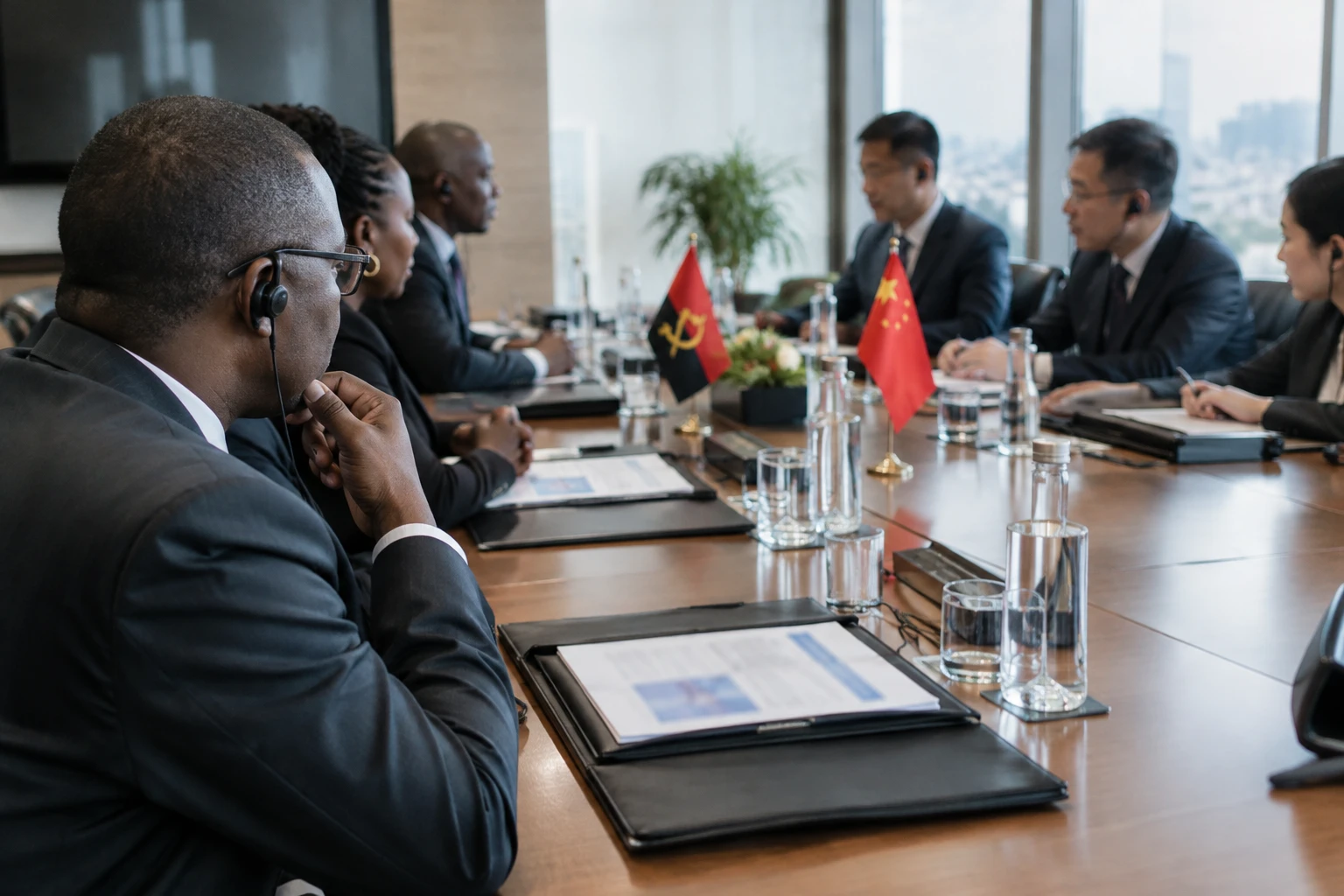
For Angola, the challenge is not only to fund research. It is also to turn knowledge and technology into jobs, businesses and local production in an economy still highly exposed to fluctuations in the oil market.
An agreement rooted in closer ties with Beijing
The new agreement between Luanda and Beijing is part of an established relationship of cooperation. In March 2024, during a state visit to China by President João Lourenço, the two countries signed several cooperation instruments, including an agreement on infrastructure linked to the digital economy.
This bilateral relationship also operates within a regional framework. Angola is a member of the Southern African Development Community (SADC), which brings together countries in the region around goals of cooperation and integration. Research, technical training and industrial development can contribute to these ambitions, provided projects also benefit local capabilities.
At national level, diversification is among the priorities of the National Development Plan 2023-2027. The aim is to support activities beyond hydrocarbons, particularly in agriculture, industry and digital services. But these sectors need skills, infrastructure and sustainable access to finance.
Research, technology transfer and training
On 10 November 2026, on the sidelines of the China-Africa Forum on Science, Technology and Innovation in Wuhan, Angola and China signed a memorandum of understanding. It was signed by Angola’s Minister of Higher Education, Science, Technology and Innovation, Albano Vicente Lopes Ferreira, and his Chinese counterpart, Yin Hejun.
The text provides for the development of exchanges on research funding, technology transfer and the training of skilled personnel. The two governments also refer to support for entrepreneurship and an industry more firmly based on science and innovation. They have announced their intention to accelerate implementation of the memorandum.
However, this is a framework for cooperation, not an announcement of specific funding or a detailed timetable for projects. Its scope will therefore depend on the next steps: identified programmes, responsible bodies, resources mobilised and arrangements for access by Angolan universities, businesses and researchers.
Angola’s ministry describes the memorandum as building on the cooperation agreement concluded in Beijing in 2024. This political continuity may facilitate exchanges between government departments. It does not, in itself, guarantee that the necessary skills and equipment will be available in Angola.
Oil dependence underscores the scale of the challenge
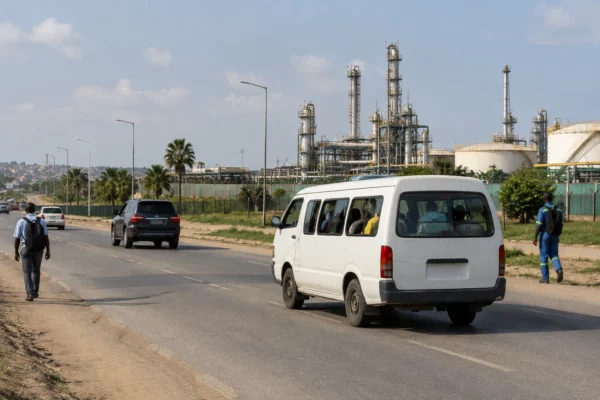
The figures highlight why Luanda is seeking new drivers of growth. In its 2025 report on Angola, the International Monetary Fund estimates that oil accounts for about 25% of gross domestic product and 60% of public revenue. It also accounts for 94% of merchandise exports, according to estimates presented in the report, which draw in particular on 2022 data for this last proportion.
Such concentration exposes state finances and foreign currency inflows to fluctuations in prices and production. When oil revenues contract, the scope available to fund public services and investment can shrink. Stronger non-oil sectors could broaden export and economic activity, although this does not mean the transition will be swift.
Scientific cooperation could contribute to this shift if it addresses concrete needs. Technical training can help businesses adopt new processes. Research can support solutions tailored to Angolan resources and markets. And technology transfer can strengthen productive capacity, provided it does not stop at importing equipment.
The benefits will not necessarily be evenly distributed. Research institutions and businesses in Luanda may be better placed to access partnerships. To reach the provinces and small businesses too, programmes will need to provide accessible training, local collaboration and opportunities beyond the major urban centres.
What implementation will need to demonstrate
The decisive point will be turning the memorandum into verifiable results. Factors to monitor include the funding actually allocated to research, the number and nature of training programmes, partnerships between Angolan and Chinese institutions, and the local use of transferred technologies. The announced text does not yet specify these indicators.
Questions of ownership and the sharing of knowledge will also matter. Balanced cooperation requires Angolan researchers and businesses to take part in defining projects and to be able to develop their own skills. It must also address the country’s needs, rather than measuring success solely by the number of agreements signed.
For SADC, the stakes go beyond the relationship between two capitals: scientific and industrial capabilities can support regional integration if they facilitate the exchange of skills and the production of value-added goods. At African Union level, the issue aligns with the priority given to science, innovation and the continent’s economic transformation.
The next step will therefore be less diplomatic than practical: to specify the projects, their funding and the Angolan institutions that will lead them. These are the conditions under which the rapprochement initiated in Wuhan can help diversify the economy for the benefit of businesses and workers, and not only partner administrations.