Egypt
 Libya
 Morocco
 Sudan
 Tunisia
 Benin
 Burkina Faso
 Cabo Verde
 Côte d'Ivoire
 Ghana
 Guinea
 Guinea-Bissau
 Liberia
 Mali
 Mauritania
 Niger
 Nigeria
 Senegal
 Sierra Leone
 The Gambia
 Togo
 Cameroon
 Central African Republic
 Chad
 DR Congo
 Equatorial Guinea
 Gabon
 Republic of the Congo
 São Tomé and Príncipe
 Burundi
 Comoros
 Djibouti
 Eritrea
 Ethiopia
 Kenya
 Madagascar
 Malawi
 Mauritius
 Mozambique
 Rwanda
 Seychelles
 Somalia
 South Sudan
 Tanzania
 Uganda
 Angola
 Botswana
 Eswatini
 Lesotho
 Namibia
 South Africa
 Zambia
 Zimbabwe
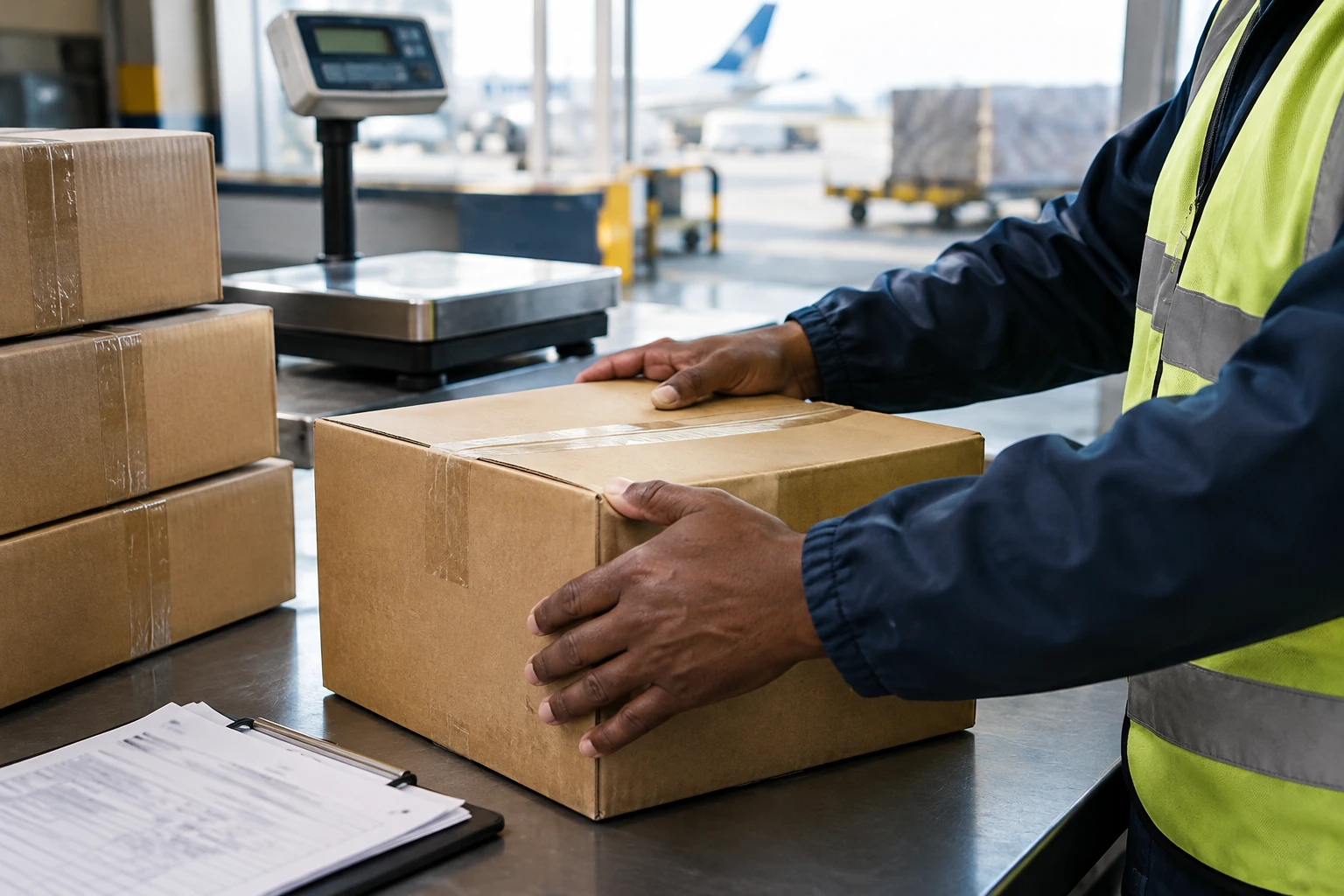
A direct flight between Algiers and Shanghai can bring travellers, businesses and goods closer together. But the number of connections alone is not enough to measure their value: actual traffic and the nature of exchanges will show whether this new air link meets lasting demand.
A new route between Algeria and Asia
On 26 October 2026, Air Algérie inaugurated a route between Algiers Houari Boumediene International Airport and Shanghai. Shanghai Pudong Airport confirmed the arrival of the first flight the following day, on 27 October. The airline plans to operate three flights a week. Shanghai is its third destination in China, after Beijing and Guangzhou.
The new route is part of the state carrier’s expanding international network. Air Algérie also serves African cities and plans to extend its connections across the continent. These routes can facilitate business and family travel, as well as onward connections from Algiers, the country’s main aviation hub.
Across the Maghreb, this opening comes as the Arab Maghreb Union, a regional organisation bringing together Algeria and four neighbouring countries, remains largely inactive in terms of integration. The Shanghai route is first and foremost a bilateral choice. It nonetheless highlights the role air links can play when regional connections remain limited.
Growing trade, but no guarantee of profitability
Economic ties between Algeria and China provide a context for the route. Chinese ambassador Dong Guangli put trade in goods at $15.25bn in 2025, up 22.2% year on year. He also said Chinese imports from Algeria had risen by 67.4%. These figures come from an interview published by China’s Ministry of Foreign Affairs; they describe trade in goods as a whole, not demand for air transport.
This distinction matters. A significant share of trade can travel by sea or road. The bilateral total therefore cannot predict the volume of cargo that will travel by air, or the number of business travellers who will choose this route. Air Algérie has not disclosed a traffic or revenue target specifically for the Algiers–Shanghai route.
The airline says it carried more than 8 million passengers in 2025 and serves 57 international destinations, in addition to 33 domestic ones. These figures give an indication of its scale, but do not reveal the load factor, costs or revenue of each route. Monitoring Shanghai’s performance will show what contribution it makes.
Different effects for travellers and businesses
For business travellers, a direct service can reduce the inconvenience of connections, depending on schedules, fares and service reliability. Algerian companies working with Chinese partners could also gain greater flexibility in arranging travel. Families and students may find it an additional option, but its accessibility will depend in particular on ticket prices and travel formalities.
Air freight is mainly used for goods for which speed justifies a higher cost than sea transport. The route could appeal to some operators, although overall trade figures do not identify which ones. For small businesses, exporters and informal traders, the benefits will depend on the practical conditions for accessing the service and the ability to consolidate shipments.
In Algiers, the route strengthens the airport’s role as an international gateway. However, the benefits will not automatically reach other Algerian cities: travellers from the regions will also have to factor in the journey to the capital and the associated costs. A country’s connectivity is measured not only by the routes it opens, but also by the options for reaching their point of departure.
Traffic and continuity will be the test
Growth in Sino-Algerian trade is part of a broader economic relationship between China and African countries. But national trajectories differ, and rising trade alone does not guarantee balanced benefits. For Algeria, the challenge will be to turn connectivity into exchanges that benefit local operators, without confusing air links with economic diversification.
The indicators to watch are tangible: maintaining the frequency, load factors, cargo volumes, fare trends and flight punctuality. It will also be important to see whether Air Algérie’s new African routes strengthen Algiers as a connecting hub between the continent and Asia. The Shanghai route opens up a possibility; its actual use will show whether it becomes a lasting tool for Algerian travellers and businesses.