Algeria
 Egypt
 Libya
 Morocco
 Sudan
 Tunisia
 Benin
 Burkina Faso
 Cabo Verde
 Ghana
 Guinea
 Guinea-Bissau
 Liberia
 Mali
 Mauritania
 Niger
 Nigeria
 Senegal
 Sierra Leone
 The Gambia
 Togo
 Cameroon
 Central African Republic
 Chad
 DR Congo
 Equatorial Guinea
 Gabon
 Republic of the Congo
 São Tomé and Príncipe
 Burundi
 Comoros
 Djibouti
 Eritrea
 Ethiopia
 Kenya
 Madagascar
 Malawi
 Mauritius
 Mozambique
 Rwanda
 Seychelles
 Somalia
 South Sudan
 Tanzania
 Uganda
 Angola
 Botswana
 Eswatini
 Lesotho
 Namibia
 South Africa
 Zambia
 Zimbabwe
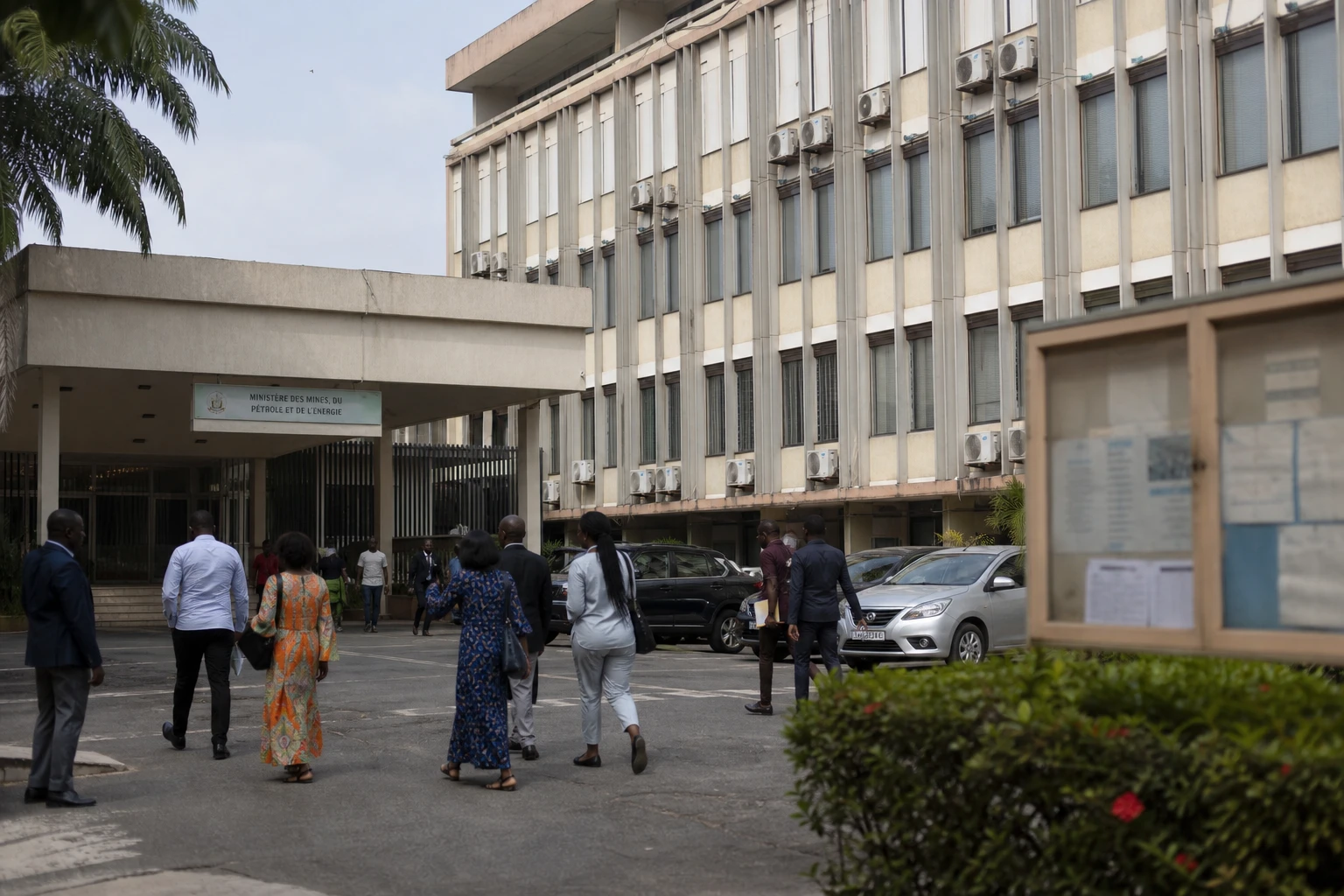
A project reflecting gold’s new place in Côte d’Ivoire
A few kilometres from the Ghanaian border, a mining project can now carry as much weight as a public policy. That is the case with Afema, in south-eastern Côte d’Ivoire, where Turaco Gold is preparing to scale up in a move that goes beyond a single deposit. The goal is straightforward: turn an old gold-mining area into an industrial asset capable of providing a lasting boost to the country’s revenues, local jobs and export supply.
The project is part of a clear national trajectory. In Côte d’Ivoire, gold has become one of the drivers of economic diversification, with production rising from about 18 tonnes in 2014 to 58 tonnes in 2024, according to official government figures. The sector is also taking shape around new industrial mines, such as Lafigué, inaugurated in 2024, and Koné, described as the country’s first major mining project. The country’s capital is Yamoussoukro, but economic momentum is still largely driven from Abidjan.
Afema, from small-scale mining to the major forces shaping the sector
The site has a long history. Turaco says Afema was mined on a small scale in the 1990s before operations ceased in 1998. In 2013, Taurus Gold obtained the mining permit now held by Afema Gold SA, and the project subsequently changed hands several times before its acquisition by Turaco Gold was completed in March 2024. This succession says much about West Africa’s gold sector: junior companies take the initial risk, then better-resourced groups step in once the potential becomes clear.
The figures have grown substantially in a short time. In March 2026, Afema’s estimated mineral resources reached 4.65 million ounces of gold, or about 144 tonnes. A few months earlier, Turaco published a pre-feasibility study indicating average production of about 200,000 ounces a year for more than a decade, with production due to begin in the medium term. The company now describes it as an industrial development project, with a definitive feasibility study to be completed before regulatory and financing steps.
The site also has a history of production. Turaco cites about 125,000 ounces extracted before the artisanal mine closed in the late 1990s. This is not a minor point. It shows that Afema is not a discovery that came out of nowhere, but the industrial reassessment of a mining district already known to operators. In a region where geological boundaries do not coincide with political ones, this continuity adds to investors’ interest.
What Côte d’Ivoire is really seeking to gain
For the Ivorian state, the equation goes beyond extraction alone. If Afema enters production, a mine of this kind means royalties, tax, local procurement, direct and indirect jobs, as well as infrastructure around the site. The government is already highlighting the growth of local content in mining and the launch of new industrial projects to capture more value domestically. In other words, the question is not only how much gold will come out of the ground, but what share of that wealth will remain in the national economy.
The timetable matters as much as the geology. Turaco is targeting production in 2029, but that goal still depends on the final feasibility study, financing, the environmental impact assessment and administrative approvals. In Côte d’Ivoire, these stages have become strategic, as several recent mines have shown that the country can now turn advanced projects into visible industrial assets. This changes how the territory is viewed: south-eastern Afema, like Worodougou or Hambol before it, is no longer just an exploration area, but a space for economic planning.
There has also been movement in mining capital around Turaco. The market has taken note of reported interest from established producers, including Perseus Mining and B2Gold. This interest has not been confirmed by the parties cited, but it points to a constant in the sector: when a resource exceeds several million ounces and the prospect of production becomes credible, established groups pay close attention. For Côte d’Ivoire, this could speed up the transformation of a deposit into a mine, provided negotiations do not dilute local benefits.
Significance beyond Afema
Afema is also part of a broader regional trend. Across West Africa, producer states are seeking to capture more of the revenues from gold, strengthen environmental controls and prevent major projects from becoming export enclaves. Côte d’Ivoire is moving in this direction with a more structured sector, while ECOWAS remains a useful framework for considering the movement of capital, equipment and mining standards across the sub-region.
The next steps will therefore play out on several fronts. One is Turaco’s ability to complete its technical roadmap. Another is the Ivorian state’s ability to turn rising output into lasting revenues, skilled jobs and visible local development. If Afema clears these hurdles, the project will join a new generation of mines reshaping Côte d’Ivoire’s gold map, between Yamoussoukro, Abidjan and production areas in the north and south-east.