Algeria
 Egypt
 Libya
 Morocco
 Sudan
 Tunisia
 Benin
 Burkina Faso
 Cabo Verde
 Côte d'Ivoire
 Ghana
 Guinea
 Guinea-Bissau
 Liberia
 Mali
 Mauritania
 Niger
 Nigeria
 Senegal
 Sierra Leone
 The Gambia
 Togo
 Cameroon
 Central African Republic
 Chad
 DR Congo
 Equatorial Guinea
 Gabon
 Republic of the Congo
 São Tomé and Príncipe
 Burundi
 Comoros
 Djibouti
 Eritrea
 Ethiopia
 Madagascar
 Malawi
 Mauritius
 Mozambique
 Rwanda
 Seychelles
 Somalia
 South Sudan
 Tanzania
 Uganda
 Angola
 Botswana
 Eswatini
 Lesotho
 Namibia
 South Africa
 Zambia
 Zimbabwe
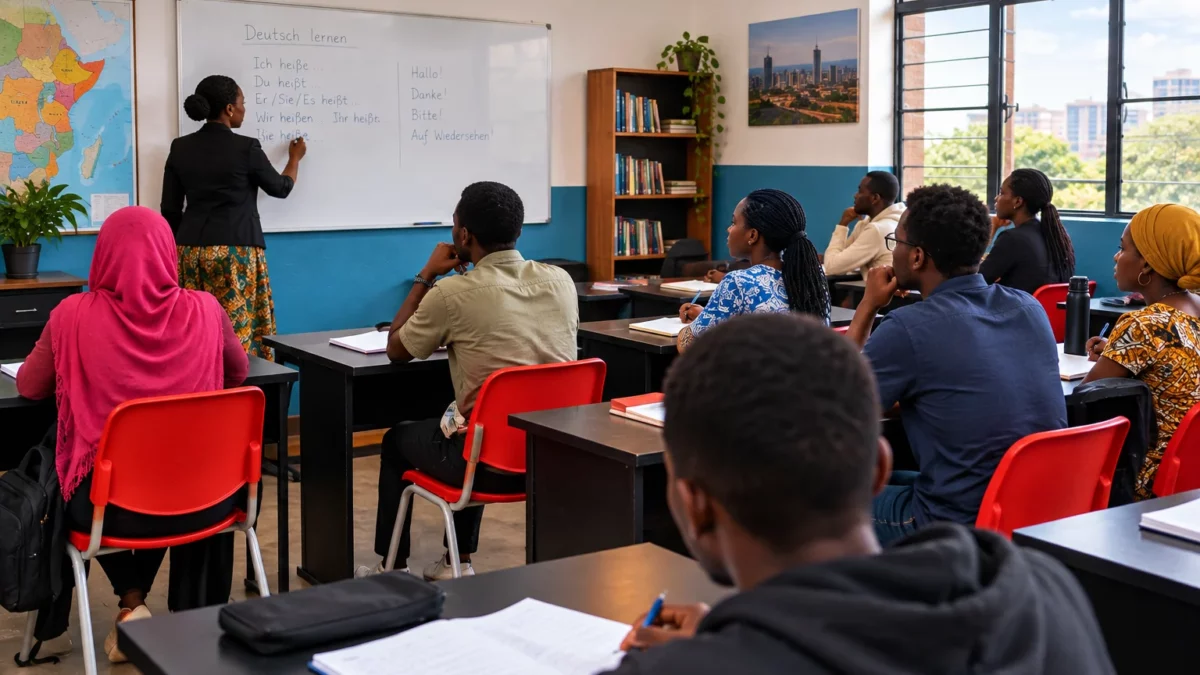
For many young Kenyans, securing a job abroad can open up a career path. But working in Germany means clearing several hurdles: finding an employer, mastering the language and having qualifications recognised. Nairobi and Berlin now aim to tackle these practical obstacles.
Mobility deal moves into practical phase
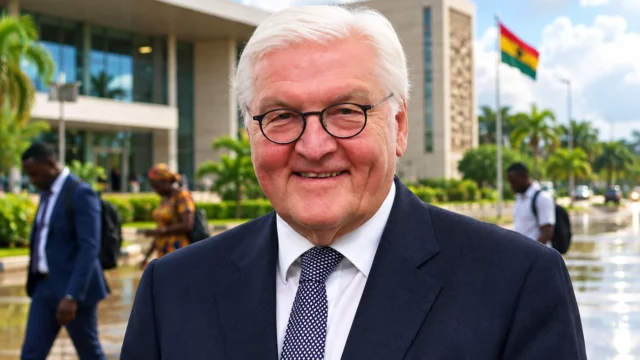
Kenyan President William Ruto received German President Frank-Walter Steinmeier at State House in Nairobi on 25 November 2026. The talks focused on job opportunities in Germany, as well as economic cooperation between the two countries. Frank-Walter Steinmeier’s official visit to Kenya took place from 24 to 26 November, according to Kenya’s Ministry of Foreign Affairs.
The two leaders attended the signing of a memorandum of understanding between the Kenyan government and telc, a German organisation specialising in language examinations and certifications. The aim is to widen access to German-language certifications sought by people pursuing employment. It remains to be specified how courses will be offered, at what cost and in which regions of Kenya.
William Ruto said the number of Kenyans employed in Germany had risen from 7,170 in March 2024 to 9,500 in March 2026. These figures were also reported by Kenyan daily the Daily Nation. They indicate an increase, but do not in themselves show which occupations are involved, what working conditions are like or what share of contracts were secured through the bilateral partnership.
The new deal builds on the Comprehensive Migration and Mobility Partnership signed in Berlin on 13 September 2024 and which entered into force on 18 October that year. This framework organises cooperation on training, employment, social protection and the return of people who do not have the right to stay in Germany. It does not guarantee a set number of jobs: recruitment remains tied to employers’ needs and the qualifications required.
Language, qualifications and protection: the conditions for a successful move
Language certification is only one part of the process. For recruitment to lead to lasting employment, candidates must also have their qualifications and experience assessed, understand visa procedures and know their rights. Recognition of professional qualifications, raised by the two leaders, can reduce delays and prevent skills acquired in Kenya from being undervalued.
The 2024 framework also provides for cooperation on the rights and social protection of Kenyan workers. This is a significant issue: organised mobility should be measured not only by the number of people leaving, but also by the transparency of contracts, recruitment conditions and the ability to report abuses. The International Labour Organization has described the agreement as a framework intended to support labour mobility and worker protection.
For Kenya, the opening up of opportunities abroad comes as domestic job creation remains a challenge. The Kenya National Bureau of Statistics (KNBS) estimates that the economy generated 822,100 jobs in 2025. Of these, 716,800 were in the informal sector, compared with 105,300 in the modern sector. In other words, most new jobs did not necessarily offer the same stability or protections as formal employment.
These figures provide context for the mobility strategy, but do not make it an adequate response to the domestic labour market. Opportunities to move abroad mainly concern people able to meet recruitment criteria and pay for or undertake suitable preparation. Workers far from training centres may face greater obstacles than candidates in Nairobi or other major cities. Language training and administrative support will therefore be crucial if these opportunities are not to remain out of reach for all but a minority.
Expected benefits for Kenya beyond departures
Labour migration can also support households through remittances. A Central Bank of Kenya survey of remittances received found that Germany accounted for 85.3 billion Kenyan shillings, or 10.1% of the cash remittances covered. These sums contribute to household spending and local economic activity, although their distribution varies between households and regions.
Cooperation is not limited to employment. William Ruto welcomed Germany’s commitment to mobilise €52.5 million for development in Kenya between 2026 and 2028. Nairobi also wants to attract German investment in manufacturing, agribusiness, infrastructure, healthcare, renewable energy and digital technology. These projects could create jobs in Kenya, provided the investments materialise and local businesses are able to take part.
The relationship also forms part of an East African framework. Kenya belongs to the East African Community (EAC), a regional organisation that promotes the economic integration of its member states. Partnerships with European countries can expand training and employment opportunities, but they also raise a regional question: how can skills acquired abroad benefit economies of origin, through returns, investment or the sharing of expertise?
Implementation will be the next test
For Kenyan candidates, the memorandum’s impact will depend on practical measures: access to courses and examinations, the cost of certifications, the time taken to recognise qualifications and information about verified vacancies. For the authorities, the challenge will be to monitor recruitment and working conditions rather than rely solely on announcements of cooperation.
The signing with telc adds a tool to the mobility partnership, but does not resolve Kenya’s employment challenges or every step involved in moving abroad. Across East Africa, the experience will be watched as a test of whether bilateral agreements can balance labour needs, workers’ rights and economic benefits for countries of origin.