Algeria
 Egypt
 Libya
 Morocco
 Sudan
 Tunisia
 Benin
 Burkina Faso
 Cabo Verde
 Côte d'Ivoire
 Ghana
 Guinea
 Guinea-Bissau
 Liberia
 Mali
 Mauritania
 Niger
 Nigeria
 Senegal
 Sierra Leone
 The Gambia
 Togo
 Cameroon
 Central African Republic
 Chad
 DR Congo
 Equatorial Guinea
 Gabon
 Republic of the Congo
 São Tomé and Príncipe
 Burundi
 Comoros
 Djibouti
 Eritrea
 Ethiopia
 Kenya
 Malawi
 Mauritius
 Mozambique
 Rwanda
 Seychelles
 Somalia
 South Sudan
 Tanzania
 Uganda
 Angola
 Botswana
 Eswatini
 Lesotho
 Namibia
 South Africa
 Zambia
 Zimbabwe
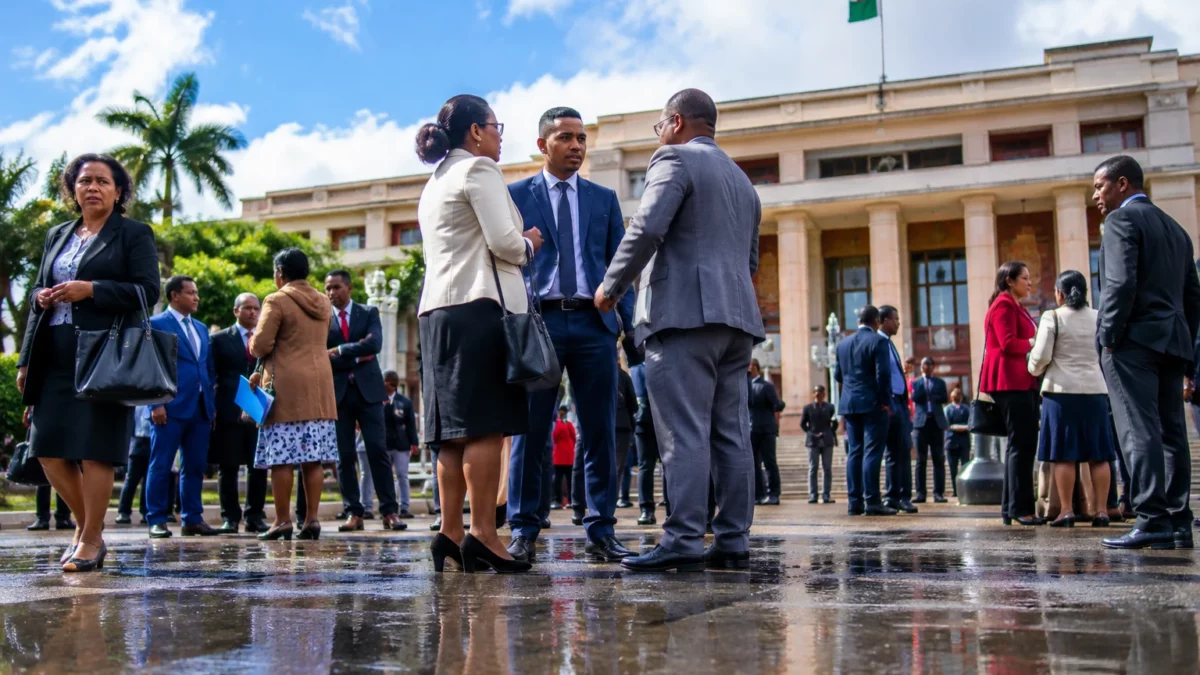
In Madagascar, the change at the head of the National Assembly comes as the political transition enters a decisive phase. Parliament is expected to help set the rules for the next election and examine constitutional reform. The removal of its president therefore raises an immediate question: who will influence the decisions shaping the end of the transition?
A night-time vote with political consequences
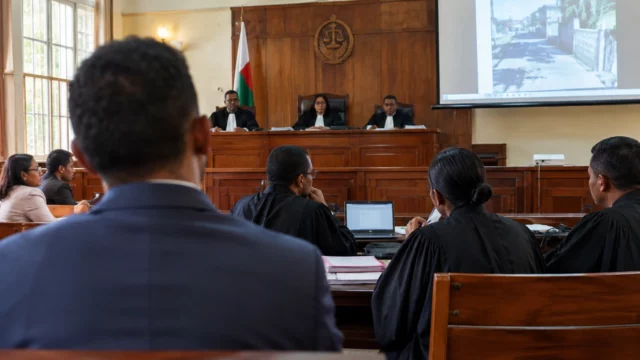
During the night of Monday 23 to Tuesday 24 November 2026, MPs meeting at Tsimbazaza Palace in Antananarivo voted to remove Siteny Randrianasoloniaiko. The vote received 112 votes in favour and 37 against. The motion needed 109 votes, the two-thirds threshold specified for this procedure. The results were reported by several media outlets, including 2424.mg, a Malagasy news outlet, and TV5MONDE.
The decision also affects two vice-presidents of the Assembly and a quaestor, a member of the bureau responsible in particular for financial matters. The motion cites “serious misconduct” and breaches of the rules of procedure, according to 2424.mg’s report. However, publicly reported information does not set out in detail the allegations against each of the officials. This distinction matters: the grounds stated in a motion do not, on their own, provide a full explanation of the political reasons behind the vote.
The session was held at night and the agenda was amended to include the motions, 2424.mg also reported. The vote established a sufficient majority for the removal. Without further evidence, it does not allow conclusions to be drawn about a presidential candidacy by Siteny or direct intervention by the executive in the procedure.
A transition under regional scrutiny
To understand what is at stake, it is necessary to look back at the 2025 crisis. Following protests and the departure of President Andry Rajoelina, Colonel Michaël Randrianirina took over as head of state in October. Siteny Randrianasoloniaiko, elected president of the Assembly in 2025, was then considered close to the new authorities. Disagreements between the two men have been reported in the Malagasy press, particularly over possible electoral ambitions. These details are part of the reported political context, however, and are not an officially established reason for the 24 November vote.
The transition is not playing out solely in Antananarivo. Madagascar is a member of the Southern African Development Community (SADC), a regional organisation that has called on the authorities to hold inclusive national consultations and set out a roadmap towards new elections. In its communiqué of 17 December 2025, SADC also called for periodic reports on preparations for the dialogue. This regional framework places Malagasy institutions under particular scrutiny, without determining the outcome of the crisis on its own.
At continental level, the African Union has also monitored the 2025 seizure of power. The central question remains how to return to institutions and an electoral timetable accepted by Malagasy stakeholders. Stability is therefore measured not only by the absence of further political clashes: it also depends on the credibility of the transition rules and the possibility of taking part in the process.
Parliament at the centre of upcoming milestones
The removal comes as constitutional reform and a referendum envisaged for 2027 are among the announced steps. The National Assembly’s website says SADC representatives met Siteny Randrianasoloniaiko on 11 November to discuss preparations for elections and institutional reforms. The loss of his post therefore alters the balance of power in the chamber at the very moment it is expected to take part in decisions on the next phase of the transition.
The majority behind the motion is associated with the VFM, a platform described in local reports as supportive of military rule. But the vote alone says nothing about the lasting cohesion of that majority or the identity of the Assembly’s next president. The appointment of a successor, the regularity of the procedure and any publication of details setting out the allegations will need to be monitored.
The practical effects may vary from one group to another. For political leaders, the change redistributes access to senior positions in Parliament. For residents, the consequences will depend more on the decisions that follow: the election timetable, the content of the reform and the arrangements for consultation. People in regions far from the capital also have an interest in a transparent process and consultations that are not confined to central institutions.
The 24 November vote therefore settles neither rivalries at the top nor the question of the transition’s legitimacy. It opens a new parliamentary phase. The next indicators will be the reshaping of the Assembly bureau, debates on the Constitution and reports sent to SADC. Madagascar’s challenge now is to ensure that these steps are conducted under public rules and through sufficiently broad dialogue, so that the transition does not amount simply to a transfer of power among elites.