
 Algeria
 Egypt
 Libya
 Morocco
 Sudan
 Tunisia
 Benin
 Burkina Faso
 Cabo Verde
 Côte d'Ivoire
 Ghana
 Guinea
 Guinea-Bissau
 Liberia
 Mali
 Mauritania
 Niger
 Nigeria
 Senegal
 Sierra Leone
 The Gambia
 Togo
 Cameroon
 Central African Republic
 Chad
 DR Congo
 Equatorial Guinea
 Gabon
 Republic of the Congo
 São Tomé and Príncipe
 Burundi
 Comoros
 Djibouti
 Eritrea
 Ethiopia
 Kenya
 Madagascar
 Malawi
 Mauritius
 Mozambique
 Rwanda
 Seychelles
 Somalia
 South Sudan
 Tanzania
 Uganda
 Angola
 Botswana
 Eswatini
 Lesotho
 Namibia
 Zambia
 Zimbabwe
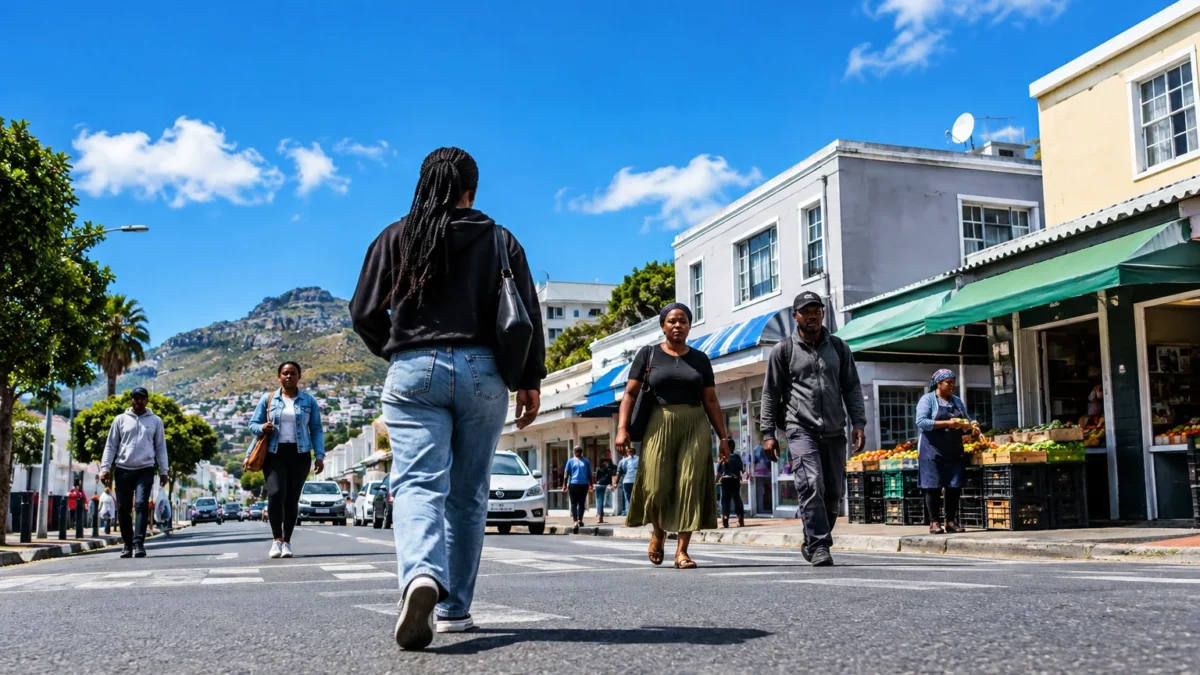
A fall of 204 murders in a year is not enough to change daily life in a country where nearly 60 people are killed every day. In South Africa, new police figures show a decline, but also the persistent scale of violence and disparities between provinces.
A national decline, contrasting provincial realities
Statistics published on 20 November 2026 by the South African Police Service cover the second quarter of the 2026-2027 financial year, from July to September. They record 5,590 murders, compared with 5,794 in the same months of 2025. The decline is 3.5%, but the average remains around 60 victims a day. The total is also higher than the 5,427 murders recorded between April and June 2026.
The national figure masks different situations. Gauteng, the province that includes Pretoria, recorded the highest number of murders: 1,418. But the individual risk relative to population is highest in the Eastern Cape, followed by the Western Cape and then KwaZulu-Natal. In other words, a raw count and a per capita rate do not tell the same story.
Gang-related violence remains particularly concentrated in the Western Cape. Of the 261 murders attributed to gangs by police nationwide, 208 were recorded in this province. These figures do not mean that other forms of violence are absent there, or that residents of every neighbourhood face the same level of exposure.
The authorities also reported 9,908 rapes recorded during the quarter, 246 fewer than a year earlier. Of the 9,705 cases in which the victims’ age and sex could be established, 4,362 involved children. Police statistics measure incidents reported and recorded; on their own, they cannot account for violence that goes unreported.
Homicides linked to firearms and everyday disputes
According to police, a firearm was used in 2,552 of the homicides analysed, or 47%. Disputes and fights were among the main factors identified, with 955 murders. Homicides linked to robbery accounted for 331, and those associated with gangs for 261. These categories describe factors recorded by investigators; they do not always provide a complete explanation of motives.
Police also reported that 15 officers were killed during the quarter, compared with 23 in the same period a year earlier. Meanwhile, attempted murders rose by 215 cases to 7,470. Contact crimes — offences involving direct harm to a person — fell by 2.3%. The trend is therefore mixed: some indicators are declining, while others underscore the persistence of danger.
Acting Police Minister Firoz Cachalia welcomed the continued fall in murders, while saying that the level of violence remained too high. He also situated gang violence in the history of marginalised neighbourhoods, shaped by forced removals under apartheid, exclusion and unequal access to public services. This context helps explain why policing alone cannot solve the problem in the long term; it does not lessen the responsibility of those who commit crimes.
November shootings are not included in this report
Two deadly shootings in November, near Pretoria and Pietermaritzburg, left at least 17 people dead, according to information reported by police. They took place after the statistical period ended on 30 September, and therefore are not included in the 5,590 homicides. Police had not established a motive at the time of the first reports. Presenting them as crimes linked to organised crime without a specific attribution would go beyond the verified evidence.
This distinction between recent events and the quarterly report is essential. A series of shootings can leave a deep impression, but is not enough to establish a general trend. Conversely, a decline over three months does not guarantee that violence is falling in every community or that the trend will last. Aggregate statistics must be read alongside local data, investigations and changes observed over several periods.
The response does not rest solely with police stations
For affected families, the national decline does not change the loss of a loved one. For residents of the most exposed neighbourhoods, safety also depends on the presence of public services, access to transport and employment opportunities, and the ability to move around without fear. The authorities have also reported declines in some offences, including carjackings and housebreakings, but these improvements coexist with homicides and sexual violence.
The debate also concerns trust in institutions. An ongoing investigation into allegations that criminal networks have infiltrated the judicial and police systems has led to suspensions and arrests, reported by the South African press. In this context, regularly publishing figures is not enough: their credibility also depends on the quality of investigations and prosecutions, and on agencies’ ability to protect witnesses and victims.
In southern Africa, security is a shared concern, even though national institutions and trajectories differ. South Africa is a member of the Southern African Development Community (SADC), a regional co-operation organisation. The quarterly data alone cannot measure the cross-border effects of crime. They nevertheless serve as a reminder that illegal firearms, organised networks and trust in security services often extend beyond administrative borders.
The next useful comparison will be with the figures for the following quarter: will they confirm the decline that began in 2024-2025, or reveal new local increases? To answer that, murders, attempted murders, sexual violence and disparities between provinces will need to be tracked together. The decline in the national figures is real; it does not mean the security crisis has been resolved.



