
 Algeria
 Egypt
 Libya
 Morocco
 Sudan
 Tunisia
 Benin
 Burkina Faso
 Cabo Verde
 Côte d'Ivoire
 Ghana
 Guinea
 Guinea-Bissau
 Liberia
 Mali
 Mauritania
 Niger
 Nigeria
 Senegal
 Sierra Leone
 The Gambia
 Togo
 Cameroon
 Central African Republic
 Chad
 Equatorial Guinea
 Gabon
 Republic of the Congo
 São Tomé and Príncipe
 Burundi
 Comoros
 Djibouti
 Eritrea
 Ethiopia
 Kenya
 Madagascar
 Malawi
 Mauritius
 Mozambique
 Rwanda
 Seychelles
 Somalia
 South Sudan
 Tanzania
 Uganda
 Angola
 Botswana
 Eswatini
 Lesotho
 Namibia
 South Africa
 Zambia
 Zimbabwe
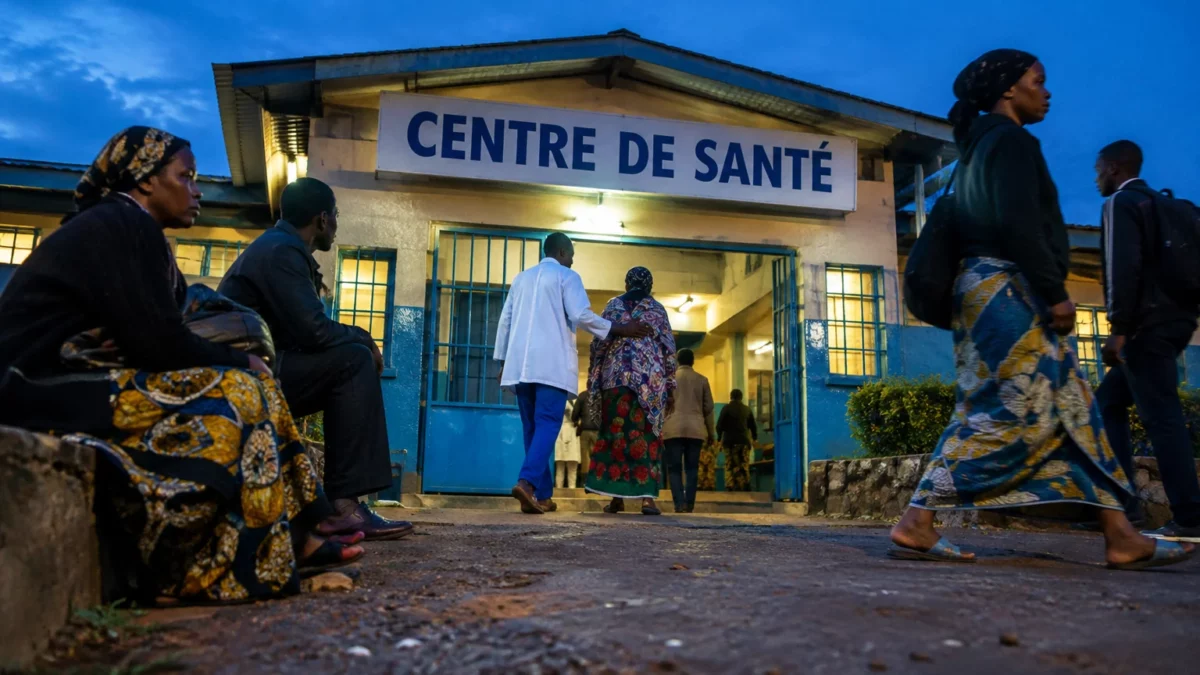
In Bunyakiri, South Kivu, a hospital’s safety now also depends on whether patients, electricity and medical supplies can reach it. After drone strikes near the facility, medical teams moved its services to a nearby health centre. The transfer protects lives in the short term, but reduces the resources available for treatment.
Hospital moved in a conflict zone
Clashes intensified from 6 November in the Bunyakiri health zone, according to Médecins Sans Frontières (MSF). They pit the Armed Forces of the Democratic Republic of the Congo (FARDC), backed by wazalendo fighters, against the Front for the Refoundation of the Nation (FRN), formerly known as AFC/M23. This development has also been reported by Congolese outlet Actualite.cd.
On 13 November, drone strikes hit the Bulambika area, near residential areas and Bunyakiri General Referral Hospital, which is supported by MSF. Staff then transferred services to Maibano health centre. Seventy-six patients were at the hospital at the time of the strikes; teams tried to take them to the new facility amid insecurity. MSF has not confirmed that all of them were able to get there.
Medicines, supplies and much of the equipment remained in Bunyakiri because they could not be transported safely. Maibano health centre does not have the same capacity as a referral hospital. MSF has reported limitations in medical equipment, supplies and electricity in particular. Oxygen concentrators and other devices require a reliable power supply.
These details are set out in MSF’s statement on Bunyakiri. Two Congolese media outlets, Radio Télévision Patriarcale d’Afrique and Actualite.cd, report the same dates and patient count. However, information about the transfer and its consequences comes mainly from MSF and should be understood as data provided by the organisation.
Healthcare crisis extends beyond the hospital
The Bunyakiri health zone has nearly 300,000 residents, according to MSF. The organisation has already reported a cholera outbreak and a malaria peak. Services have therefore been moved at a time of significant health needs. Residents living far from Maibano, or unable to travel because of the fighting, may face additional obstacles to accessing care.
The effects are not the same for everyone. Hospital inpatients need continuity of care, while people with acute illnesses must be able to reach a medical centre quickly. Pregnant women, children and people who need oxygen are particularly dependent on well-equipped services. For healthcare workers, operating in a less well-equipped facility makes treatment more difficult and adds a security risk.
The crisis is also affecting people displaced by the fighting. When they leave their homes, they sometimes lose their usual access to a health centre, medicines or medical follow-up. MSF has not provided, in the information consulted, a consolidated account of displacement in Bunyakiri. No unconfirmed figure should therefore be given.
South Kivu is part of a wider conflict in eastern DR Congo, where several armed groups and state forces have been present for decades. The current clashes add to tensions affecting neighbouring provinces and complicate movement for both civilians and humanitarian teams. In this context, protecting health facilities and ensuring patients can reach them are practical concerns, beyond statements by the parties to the conflict.
Ebola: a national context to distinguish
The crisis in Bunyakiri is unfolding during an Ebola outbreak declared in DR Congo on 15 May 2026. The World Health Organization says it is caused by Bundibugyo virus disease, a strain confirmed in laboratory tests. But available information does not indicate that Bunyakiri hospital is a treatment centre for this outbreak, or that the transfer of its services is linked to Ebola. The connection is to an already strained national health context, not to an outbreak identified in Bunyakiri.
This distinction matters. An Ebola response involves, among other things, case detection, isolation and appropriate care. At the same time, ordinary services must continue to treat cholera, malaria and other emergencies. The WHO has also classified the Bundibugyo virus outbreak as a public health emergency of international concern, requiring coordination between countries and health institutions. This does not replace local healthcare or the need to secure facilities.
The regional challenge: maintaining access to care
For the Congolese authorities and medical partners, the immediate challenge is twofold: ensure staff safety and restore appropriate care capacity. Services will return to the hospital depending on how the situation around Bulambika develops and whether equipment can be brought back without putting patients or teams at risk. So far, MSF has not announced a timetable for their return.
The situation also calls for regional attention. Fighting and displacement in eastern DR Congo can affect neighbouring areas, while epidemics require health surveillance that extends beyond borders. The WHO and national authorities remain essential to coordinating this vigilance. In Bunyakiri, however, the immediate challenge is more direct: ensuring people can receive treatment despite the relocation of services and access constraints.
MSF is calling on the parties to the conflict to protect civilians and medical facilities. The appeal comes as Maibano health centre has to accommodate services and patients without, according to the organisation, having all the resources of the referral hospital. What happens next will therefore depend on security on the ground, the transport of equipment left in Bunyakiri and continuity of care for a population already facing cholera and malaria.



