Algeria
 Egypt
 Libya
 Morocco
 Sudan
 Tunisia
 Benin
 Burkina Faso
 Cabo Verde
 Côte d'Ivoire
 Ghana
 Guinea
 Guinea-Bissau
 Liberia
 Mali
 Mauritania
 Niger
 Nigeria
 Senegal
 Sierra Leone
 The Gambia
 Togo
 Cameroon
 Central African Republic
 Chad
 DR Congo
 Equatorial Guinea
 Gabon
 Republic of the Congo
 São Tomé and Príncipe
 Burundi
 Comoros
 Djibouti
 Eritrea
 Ethiopia
 Kenya
 Madagascar
 Malawi
 Mauritius
 Rwanda
 Seychelles
 Somalia
 South Sudan
 Tanzania
 Uganda
 Angola
 Botswana
 Eswatini
 Lesotho
 Namibia
 South Africa
 Zambia
 Zimbabwe
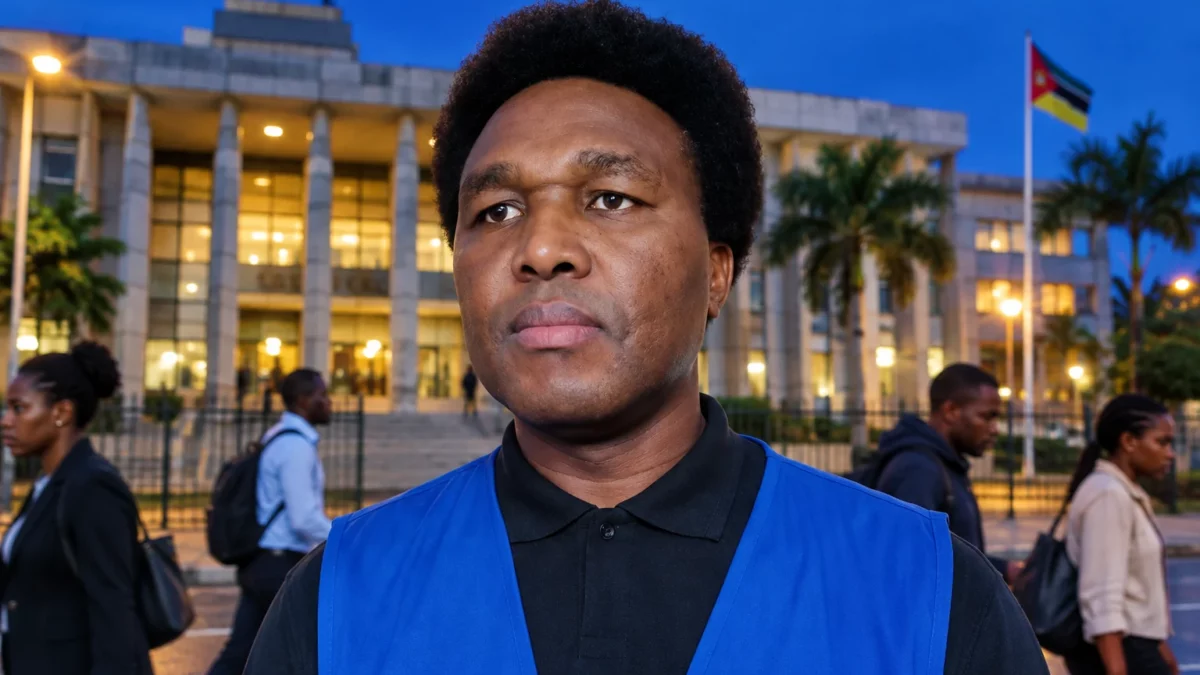
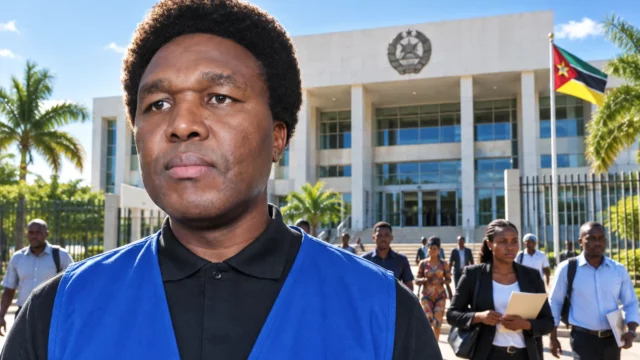
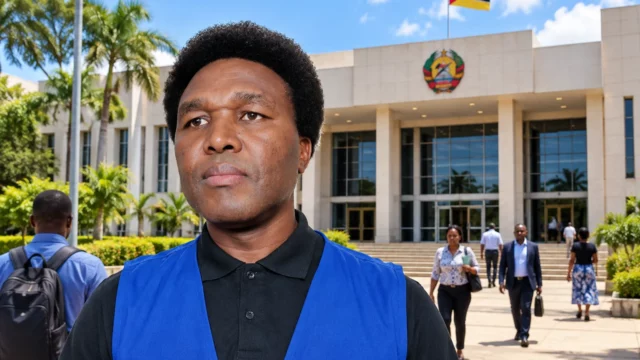
In Mozambique, the trial of Venâncio Mondlane raises a question that goes beyond the fate of an opposition figure: can the justice system establish responsibility for post-election violence without further losing the trust of part of the population? The second day of hearings, Wednesday 18 November 2026, above all brought this battle for credibility into focus.
A disputed election, a crisis that leaves its mark
The crisis dates back to the general election of 9 October 2024. The Constitutional Council confirmed the victory of Daniel Chapo, the candidate of Frelimo, the party that has been in power since independence in 1975. Venâncio Mondlane, who came second according to the official results, contested the election and called for demonstrations. Protests and clashes followed in several regions of the country.
Toll estimates vary according to the periods and counting methods used. A preliminary investigation by the Mozambican civic platform CDD recorded reports of 600 deaths between 21 October 2024 and 15 January 2025, though not all had been individually verified. Amnesty International, citing local organisations, reported more than 300 deaths. These figures should therefore not be confused with a definitive official toll. Amnesty International’s investigation into the crackdown on protests and the CDD’s preliminary report document different counts and periods.
The European Union’s election observation mission, for its part, identified shortcomings in the counting and compilation of results and in the transparency of the process. These findings fuel distrust, but do not in themselves settle the question of criminal responsibility for the violence. SADC, the regional organisation of southern Africa, of which Mozambique is a member, had called for calm after the unrest. The country’s political stability also matters to its neighbours, particularly South Africa, whose trade uses Mozambican corridors and infrastructure.
Defence challenges the proceedings and the prosecution’s account
The trial is being held at the Supreme Court in Maputo, the capital of Mozambique. The public prosecutor has charged Mondlane with five offences, including glorifying crime, inciting civil disobedience and offences related to terrorism. The prosecution is relying in particular on videos, phone intercepts and banking data, according to information reported by the Portuguese news agency Lusa. The evidence remains to be examined adversarially at the hearing: an accusation is not proof of guilt.
On Wednesday, the judges allowed the defence to present its arguments orally, despite opposition from the public prosecutor. According to the Mozambican outlet Evidências, the lawyers had one hour and 15 minutes to set out the main points of a 223-page written submission. They challenge the legality of the charges and argue that their client’s statements are not enough to establish a direct link to the violence. Evidências’ report on the oral challenge describes this procedural dispute.
Leaving the court, Mondlane denounced what he described as a justice system aligned with the government. He also claimed that the absence of investigations into deaths and attacks targeting members of his party demonstrated unequal treatment. These are his allegations and they have not been established by a court ruling during this hearing. The public prosecutor did not respond publicly to these statements that day.
The figure of “95%” of victims killed by security forces, cited by the opposition figure with reference to reports from the Ministry of Health, could not be independently confirmed in the available sources. It must therefore remain attributed to Mondlane and cannot be presented as a verified toll. Human rights organisations have nevertheless documented deaths and injuries during police operations, as well as arrests and restrictions on freedom of assembly.
Beyond the verdict, trust in institutions
The trial places the Supreme Court under a dual obligation. It must assess the evidence and individual responsibility in accordance with the law. It must also ensure proceedings that are understandable and fair, at a time when media coverage of the hearing is limited and social media have become a major channel for disseminating statements by those involved.
This obligation applies to leaders and citizens alike. For the opposition, the outcome could affect Mondlane’s ability to continue his political activity. For the authorities, rigorous proceedings could help demonstrate that the institutions protect neither side. For the victims’ families, whatever their region or affiliation, the trial of the opposition figure is no substitute for impartial investigations into the deaths, injuries and destruction during the crisis.
The regional context makes the stakes broader. Tensions in Mozambique have already disrupted travel and trade, particularly around Maputo and along routes linking the country to its neighbours. SADC has called for stability, while African partners and the African Union are monitoring issues of governance and electoral credibility. This does not mean that neighbouring countries determine the outcome of the trial: responsibility for judging rests with Mozambican institutions.
The next hearings will have to clarify how the court addresses the defence’s objections and examines the evidence presented by the prosecution. The central question will remain the link between calls for mobilisation and violent acts committed by different actors. At this stage, neither the allegations against Mondlane nor his accusations against the judicial system amount to a judicial finding. The soundness of the ruling, when it is delivered, will depend on the transparency of the examination and each side’s ability to respond to the evidence.