Algeria
 Egypt
 Libya
 Morocco
 Sudan
 Tunisia
 Benin
 Burkina Faso
 Cabo Verde
 Côte d'Ivoire
 Ghana
 Guinea
 Guinea-Bissau
 Liberia
 Mali
 Mauritania
 Niger
 Nigeria
 Sierra Leone
 The Gambia
 Togo
 Cameroon
 Central African Republic
 Chad
 DR Congo
 Equatorial Guinea
 Gabon
 Republic of the Congo
 São Tomé and Príncipe
 Burundi
 Comoros
 Djibouti
 Eritrea
 Ethiopia
 Kenya
 Madagascar
 Malawi
 Mauritius
 Mozambique
 Rwanda
 Seychelles
 Somalia
 South Sudan
 Tanzania
 Uganda
 Angola
 Botswana
 Eswatini
 Lesotho
 Namibia
 South Africa
 Zambia
 Zimbabwe
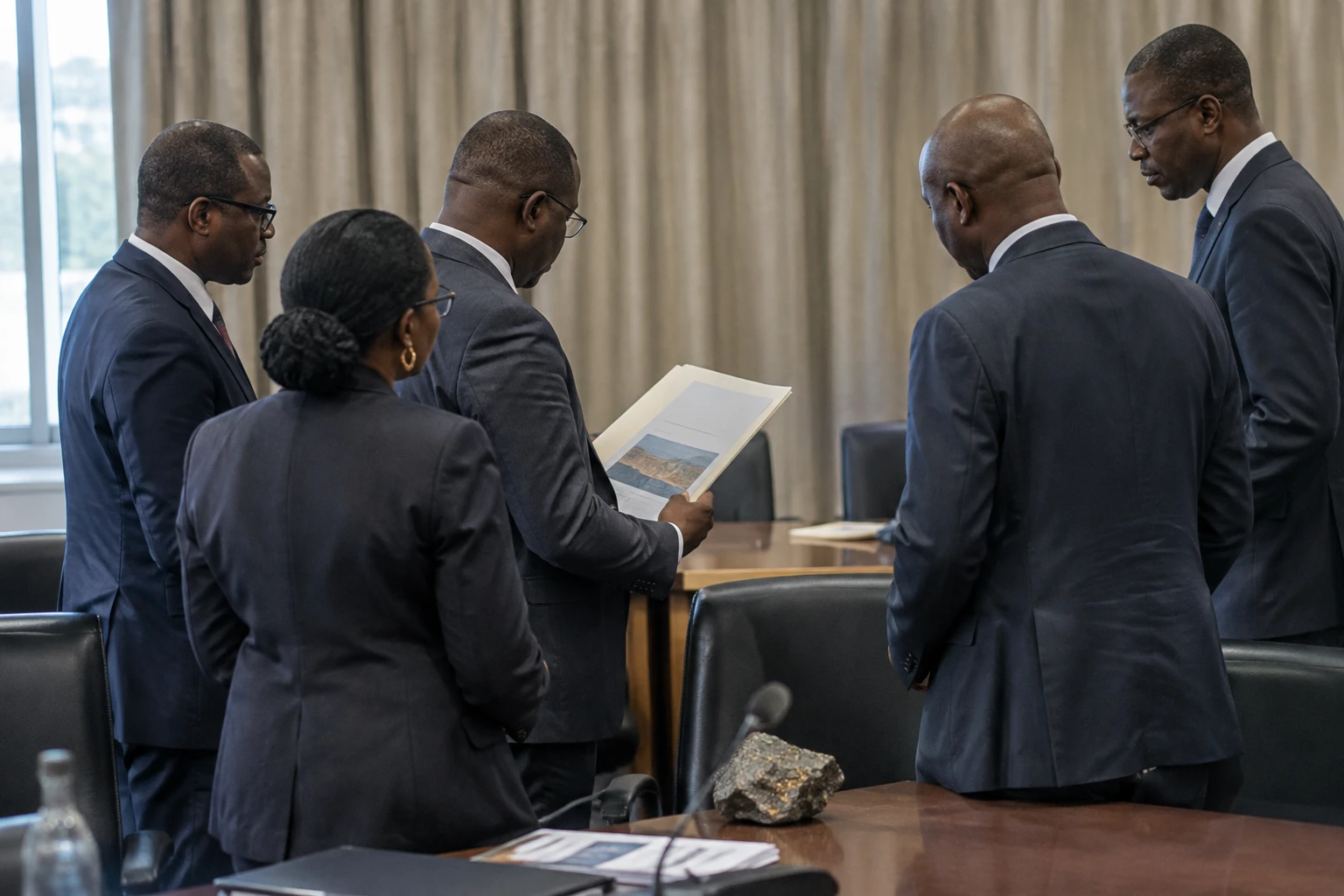
In Senegal’s south-eastern gold-producing regions, better regulation of artisanal mining is a matter of income, jobs and protecting waterways. In Dakar, the 2027 Mines budget puts these priorities at the heart of public policy. But the parliamentary committee’s rejection has left its funding in doubt.
Mining priorities in a contested budget
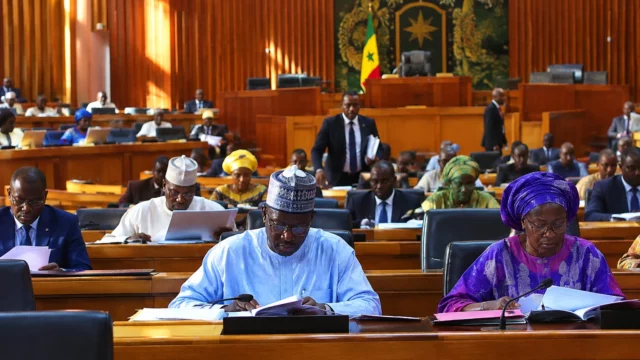
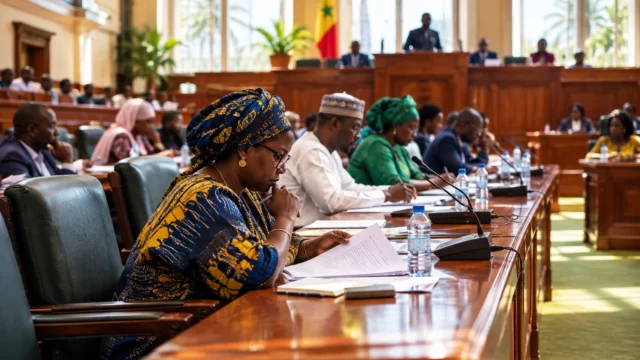
The Minister of Mines and Geology, Cheikhou Oumar Seck, presented his department’s draft budget on Wednesday 11 November 2026 to the National Assembly’s Finance and Budgetary Control Committee. The announced allocation amounts to 7.46 billion CFA francs, or about $13 million. The committee rejected it. However, this vote alone does not amount to the final rejection of the state budget.
The draft provides, among other things, 1.8 billion CFA francs for geological mapping and identifying materials for construction projects. It also allocates 3.72 billion to the sustainable management of mineral resources, intended to contribute to regulating artisanal mining, environmental monitoring and rehabilitating abandoned sites. Adding value to gold locally is also among the priorities presented.
Not all publicly available detailed figures are consistent. Another account of the session cites different amounts for some budget lines. The sums by programme should therefore be read as those reported during the presentation, not as appropriations definitively adopted. Nor does the committee vote confirm that this spending will be carried out.
Formalising artisanal mining without undermining livelihoods
Artisanal gold mining is an important economic activity in south-eastern Senegal. It supports thousands of people, but some mining takes place outside official procedures. The risks are tangible: dangerous working conditions, damage to soils and water pollution. In the Kédougou area, the Falémé, a tributary of the Senegal River, is a particular focus of concern over clandestine activities.
On 3 November, the Ministries of Mines and of the Armed Forces announced a partnership to develop and secure seven pilot corridors in Kédougou and Tambacounda. The scheme is intended to organise work areas and combat clandestine mining. The Senegalese Press Agency reports that the project is part of a wider programme covering 35 corridors. It remains to be seen how the sites will be demarcated, who will be allowed access and what safeguards will accompany inspections.
Formalisation is not simply a matter of security operations. It requires rules that workers can access, identifiable sales channels and alternatives when sites are closed or rehabilitated. Without these, some activity risks moving elsewhere rather than entering official channels. The incomes of the households concerned and the need for environmental protection must therefore be addressed together.
Understanding resources and capturing more of their value
Geological mapping addresses a long-term challenge: gaining a better understanding of available resources and materials before planning their exploitation. Subsoil data can also help identify materials useful for construction. But geological knowledge alone does not guarantee that the benefits will remain in the Senegalese economy. Local processing, jobs, taxation and monitoring of impacts matter just as much.
The government links these priorities to an ambition to increase mining revenues and formalise artisanal mining by 2029. The targets cited in the budget documents are to raise the sector’s annual revenues to 600 billion CFA francs, from 370 billion in 2019, and to formalise at least half of those involved in artisanal mining. These are policy targets, not results already achieved. Comparisons also depend on how mining revenues are defined and which baseline data are used.
Senegal has also begun a review of its mining licences and is preparing to update its regulatory framework. These efforts concern the conditions for awarding permits, operators’ obligations and the sharing of value. They could change relations between the state, companies and communities in mining areas. Transparent decisions and enforcement of the rules will be crucial to their credibility.
A budget dispute that extends beyond mining
The deadlock comes amid broader disagreement between the executive and lawmakers over the 2027 Finance Bill. The Ministry of Finance said the committee chair had requested the withdrawal of the bill, arguing that projections needed to be revised after the rejection of the 2026 Supplementary Finance Bill. The committee, for its part, challenged the basis on which the draft had been calculated. These positions have been publicly attributed to their authors; they do not resolve the dispute.
The controversy could delay the availability of funding, even though the Mines budget is only one part of the national debate. For monitoring services, this could affect the planning of inspections and works. For artisanal miners and residents of the areas concerned, the issue also involves the continuity of regulation and rehabilitation measures. Local authorities, meanwhile, have an interest in knowing what resources are planned and which administrations are responsible.
At the regional level, the issue concerns the management of resources and activities that do not stop at administrative borders. Senegal is a member of ECOWAS, the Economic Community of West African States. Co-operation between neighbouring states could matter in tracking gold flows and combating clandestine networks. But the measures announced in Senegal remain subject first to national decisions and oversight by Senegalese institutions.
The next step is therefore as much about the budget as mining: the bill’s examination in plenary and the outcome of the dispute over financial assumptions will determine the ministry’s room for manoeuvre. Even if the bill is adopted, it will then be necessary to track the appropriations actually approved, the artisanal mining corridors developed and the results of formalisation. That is the level at which the ambition to add more value to resources can be assessed.