Algeria
 Egypt
 Libya
 Morocco
 Sudan
 Tunisia
 Benin
 Burkina Faso
 Cabo Verde
 Côte d'Ivoire
 Ghana
 Guinea
 Guinea-Bissau
 Liberia
 Mali
 Mauritania
 Niger
 Nigeria
 Sierra Leone
 The Gambia
 Togo
 Cameroon
 Central African Republic
 Chad
 DR Congo
 Equatorial Guinea
 Gabon
 Republic of the Congo
 São Tomé and Príncipe
 Burundi
 Comoros
 Djibouti
 Eritrea
 Ethiopia
 Kenya
 Madagascar
 Malawi
 Mauritius
 Mozambique
 Rwanda
 Seychelles
 Somalia
 South Sudan
 Tanzania
 Uganda
 Angola
 Botswana
 Eswatini
 Lesotho
 Namibia
 South Africa
 Zambia
 Zimbabwe
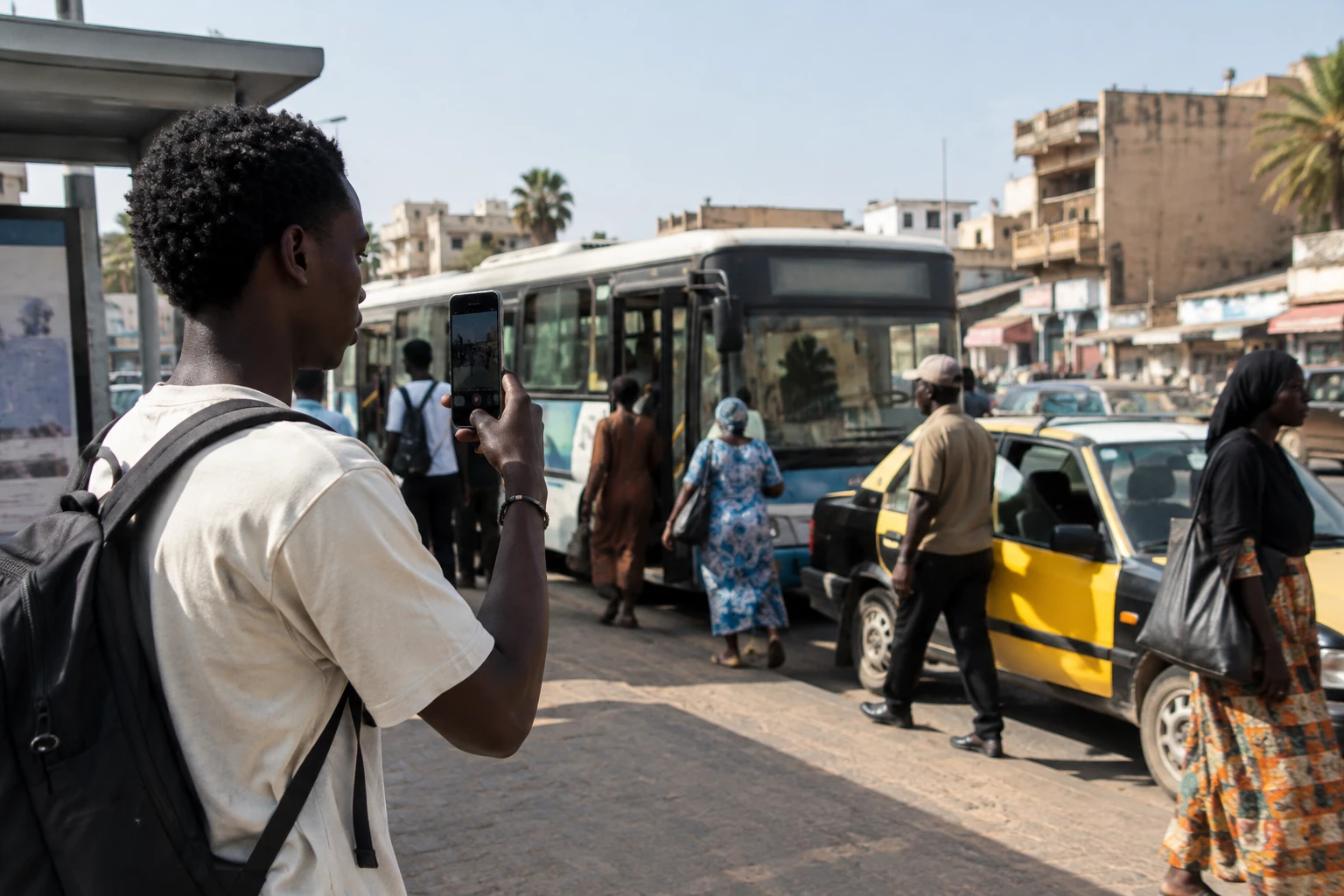
In Dakar’s Medina district, the Youth Olympic Games are not played out only on the field. They are also told through phones, neighbourhoods and the people who give a local face to an international event. Olypro99, a Senegalese content creator, embodies this meeting of digital visibility and neighbourhood pride.
A sporting celebration told from the neighbourhoods too
Medina, the capital’s historic district, is more than a backdrop to the competitions. Its residents experience the event in their own way, while social media give some of them a platform to share their daily lives and their attachment to Dakar. This presence matters: it is a reminder that major sporting events are also shaped by the stories that accompany them.
Olypro99’s prominence is based first and foremost on his online community. Accounts of his career cite more than 150 000 followers and millions of “likes”. These figures have not been corroborated by an independent source consulted; they should therefore be understood as reported figures, not as a verified count.
The creator is also presented as a resident involved in his neighbourhood and as one of the torchbearers for the Games. Here too, in the absence of independent confirmation, these details belong to the account of his career currently available. They nonetheless point to a broader shift: organisers and communities bring an event to life not only through athletes, but also through the people who make it feel close to the public.
Dakar 2026, a first for the continent
The Youth Olympic Games (YOG), an international competition for young athletes, are being held in Senegal from 31 October to 13 November 2026. Dakar is thus hosting the first Olympic sporting event to be staged on African soil. Competitions and activities are spread across Dakar, Diamniadio and Saly, linking the capital with other centres in the country. The International Olympic Committee sets out the dates and venues for the Games.
This edition is part of Senegal’s recent trajectory: hosting a major global sporting event while seeking to ensure that its young people benefit beyond the days of competition. The stakes therefore extend beyond results to include access to activities, the role of local stakeholders and the ability to leave a lasting mark on sport and cultural life.
The event also has a West African dimension. Senegal is a member of ECOWAS, a regional organisation for cooperation between West African countries. Hosting the YOG highlights the country’s capacity to welcome international delegations and mobilise partners. But the success of an event is also measured by how residents, in neighbourhoods and host cities alike, can take part in this momentum.
From the flame to local visibility
Carrying a flame is a symbolic act: it associates a person with passing on the values of sport and with collective celebration. For a content creator followed by a large community, the moment can extend the event online and give their neighbourhood a place in the images shared around the Games.
That visibility, however, guarantees neither economic returns nor lasting change for residents. Instead, it raises a practical question: who benefits from the attention generated by the YOG? Organisers, brands and platforms have considerable resources to capture that audience. Local creators can bring places and initiatives to wider attention, but their influence also depends on their ability to turn that attention into projects that last beyond the competition.
The potential benefits are not the same for everyone. Formal organisations can forge partnerships and reach an international audience. Young people and small neighbourhood groups may gain visibility without necessarily having the same resources to turn it into income or regular activities. That is why local participation should be assessed beyond the images and audience figures being reported.
The available data do not make it possible to measure the precise effect of Olypro99’s engagement on young people in Medina. Nor do they document any actions, funding or programmes linked to his profile. It would therefore be premature to attribute a specific social impact to him. His presentation as a voice for local pride nevertheless offers an indication of how some Senegalese people are making the Games’ story their own.
A legacy shaped after the competitions
For Senegal and its neighbours, Dakar 2026 sets a precedent: an African country is hosting an Olympic event and helping shape its story. Its continental significance will depend as much on the organisation as on the tangible legacy for young people, clubs, associations and neighbourhoods. The IOC describes this ambition as a way to create lasting opportunities through sport, education and youth engagement. Initiatives to engage young people around the YOG offer a glimpse of this goal.
For now, it remains essential to distinguish confirmed facts from reported claims. The dates and historic scale of the Games are documented by sporting institutions. By contrast, the audience figures and Olypro99’s precise role in the torch relay still require independent confirmation. This caution does not erase the importance of local voices: it allows them to be recognised without turning promotional material into an established record.
As the Games draw to a close, the question will be whether this attention brings lasting benefits to Senegalese initiatives and the communities that gave the event a human face. For Medina, as for the other places associated with Dakar 2026, the question goes beyond online views: it is about what remains after the cameras and delegations have left.