
 Algeria
 Egypt
 Libya
 Morocco
 Sudan
 Tunisia
 Benin
 Burkina Faso
 Cabo Verde
 Côte d'Ivoire
 Ghana
 Guinea
 Guinea-Bissau
 Liberia
 Mali
 Mauritania
 Niger
 Nigeria
 Senegal
 Sierra Leone
 The Gambia
 Togo
 Cameroon
 Central African Republic
 Chad
 DR Congo
 Equatorial Guinea
 Gabon
 Republic of the Congo
 São Tomé and Príncipe
 Burundi
 Comoros
 Djibouti
 Eritrea
 Ethiopia
 Kenya
 Madagascar
 Malawi
 Mauritius
 Mozambique
 Rwanda
 Seychelles
 Somalia
 South Sudan
 Tanzania
 Uganda
 Angola
 Botswana
 Eswatini
 Lesotho
 Namibia
 Zambia
 Zimbabwe
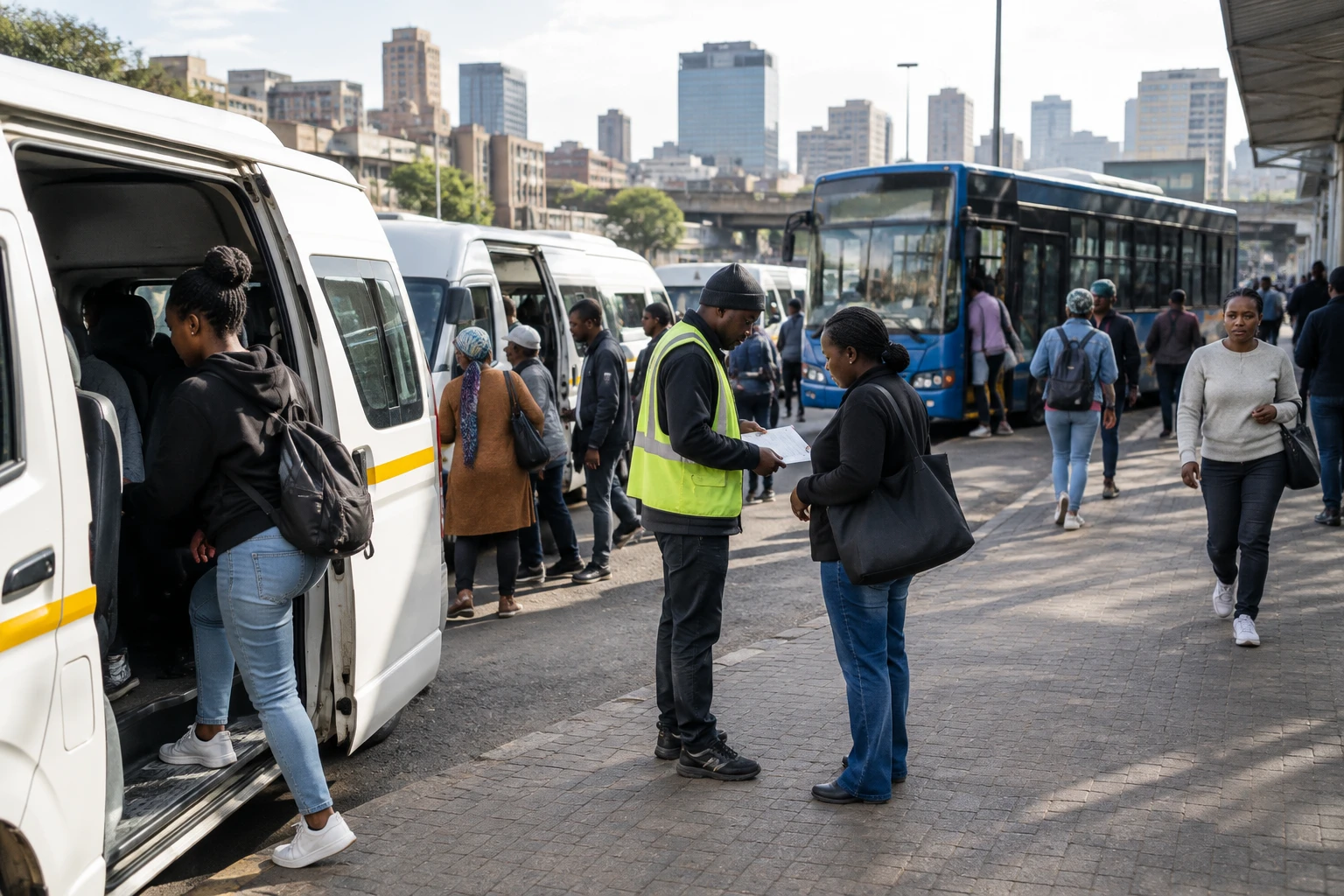
In a municipality, the electoral verdict is quickly felt: it can change who negotiates the budget, maintains the roads or organises access to water. In South Africa, the local elections of 4 November 2026 confirm that the ANC can no longer rely on its historic dominance to govern alone.
A decline that extends the 2024 turning point
The African National Congress (ANC), in power since the first democratic elections in 1994, had already lost its absolute majority in Parliament in May 2024. With 40.18% of the vote, it had then been forced to form a government of national unity with several parties, including the Democratic Alliance (DA).
The municipal vote now takes this realignment into local councils. These institutions manage services that are directly visible in neighbourhoods and villages. South Africa belongs to the Southern African Development Community (SADC), a regional organisation for political and economic co-operation; its experience of coalitions is therefore being watched beyond its borders.
The ballot-box verdict and the geography of the vote
On 8 November, the Independent Electoral Commission (IEC) announced the results of the 4 November elections and declared the poll free and fair. According to official figures reported by SAnews, the ANC won 30.76% of the vote, ahead of the DA on 24.64%. The uMkhonto weSizwe (MK) party received 9.76%, the Economic Freedom Fighters (EFF) 6.22% and ActionSA 5.67%.
The decline is clear compared with the 2021 municipal elections, when the ANC won 45.59%. Detailed results and journalistic assessments confirm the scale of the fall, although figures published by the authorities are not entirely consistent across all official pages. The trend, however, is beyond doubt: the party remains first nationally, but its lead has narrowed sharply.
This national average masks contrasts. The ANC retains significant positions in several municipalities, particularly outside the major metropolitan areas. But rival parties are gaining ground in key urban centres. In eThekwini, which includes Durban, the MK came first; in Johannesburg, the DA came ahead of the ANC, according to results reported by the Associated Press.
Turnout reached 52%, compared with 45.9% in 2021, according to the Commission. Nearly 14.9 million people voted out of 29.2 million registered voters. This increase gives the poll greater weight, but does not mean that all regions or social groups turned out in the same way.
Local councils face a future of deal-making
The most tangible outcome will be the formation of municipal executives. The Commission says that 127 of the 213 councils gave no party an absolute majority. These hung councils require elected representatives to negotiate coalition or support agreements to appoint leaders and pass budgets.
For residents, the stakes go beyond rivalries between parties. Municipalities are involved in water distribution, sanitation, waste, street lighting and road maintenance. A coalition can broaden representation, but lasting disagreements can also complicate decisions and undermine continuity of services. The effects vary by area: the difficulties of a large metropolitan authority are not those of a small rural municipality.
The vote also passes judgement on the national record, without being reducible to it. Voters assess local teams, their candidates and their ability to address everyday problems. Unemployment, persistent inequalities and failures in some public services are fuelling discontent. But the ballot does not identify a single cause: it distributes votes among several parties and leaves significant room for local formations and independents.
A realignment to watch across the region
The ANC retains first place nationally, but its decline confirms that South African politics is now durably plural. The DA is consolidating its foothold, while the MK is turning its base in KwaZulu-Natal into municipal influence. The results thus require parties to negotiate, sometimes co-operating locally while opposing one another at national level.
The next step will be the formation of councils and the stability of their majorities. Elected representatives will have to prove that the agreements they reach lead to decisions and reliable services. In Pretoria, the administrative capital, as in municipalities, the ANC’s challenge is no longer simply to maintain its lead: it must convince voters that it can meet their practical expectations, while its rivals will have to show they can govern together.
For SADC and the African Union, the prospect of a change of power in municipalities is a reminder of the role of electoral institutions and coalition mechanisms in a multiparty democracy. The South African poll does not foreshadow the next national elections. It does, however, show that a party’s historic legitimacy can no longer, on its own, replace a renewed mandate from voters.
Official results of South Africa’s 2026 municipal elections · Analysis of the ANC’s decline and local results · Electoral Commission report on the 2021 municipal elections · SABC analysis of municipal coalitions · Report on South Africa’s 2024 national elections



