Algeria
 Egypt
 Libya
 Morocco
 Sudan
 Tunisia
 Benin
 Burkina Faso
 Cabo Verde
 Ghana
 Guinea
 Guinea-Bissau
 Liberia
 Mali
 Mauritania
 Niger
 Nigeria
 Senegal
 Sierra Leone
 The Gambia
 Togo
 Cameroon
 Central African Republic
 Chad
 DR Congo
 Equatorial Guinea
 Gabon
 Republic of the Congo
 São Tomé and Príncipe
 Burundi
 Comoros
 Djibouti
 Eritrea
 Ethiopia
 Kenya
 Madagascar
 Malawi
 Mauritius
 Mozambique
 Rwanda
 Seychelles
 Somalia
 South Sudan
 Tanzania
 Uganda
 Angola
 Botswana
 Eswatini
 Lesotho
 Namibia
 South Africa
 Zambia
 Zimbabwe
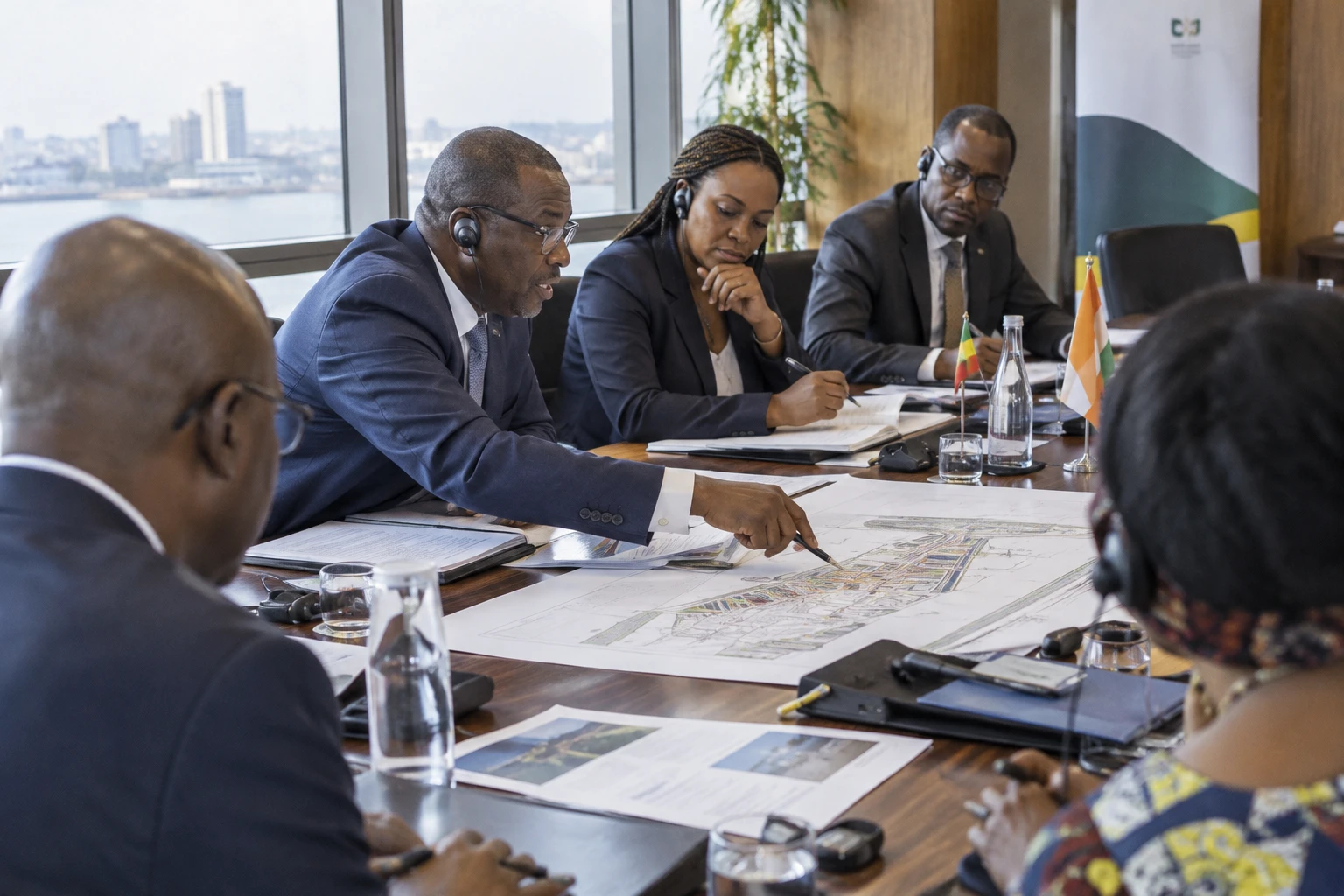
At Afema, in south-eastern Côte d’Ivoire, the next step towards a gold mine is not yet happening on a construction site. It is being prepared through plant plans, equipment selection and cost assessments. These studies will determine whether the timetable announced by Turaco Gold can be met.
A project in an expanding gold sector
Côte d’Ivoire is seeking to diversify an economy in which agriculture plays a major role. Gold is gaining ground: Ivorian public data estimated production at 59.1 tonnes in 2024 and projected 61 tonnes in 2025. These are forecasts, and should be distinguished from a final production tally.
This growth is underpinned by operating mines and new projects. Afema is part of this momentum, alongside developments such as Koné and Doropo. The site is in the south-east of the country, about 120 kilometres east of Abidjan. Yamoussoukro is the political and administrative capital of Côte d’Ivoire.
For the authorities, new mines can increase public revenues and exports. But their local impact also depends on jobs accessible to Ivorians, purchases from companies in the country and the capacity to create more value locally. These effects are not automatic: they depend in particular on operating rules, oversight and operators’ commitments.
Engineering contract comes before a decision to build
On 9 November 2026, Turaco Gold announced that it had awarded Australia’s GR Engineering Services a contract worth about A$20 million, or nearly US$13 million. The contract covers support for the definitive feasibility study, detailed design of the processing plant and procurement preparation.
In practical terms, GR Engineering is to develop plans for the plant and some infrastructure, refine construction and operating costs, and then prepare tenders and assess suppliers’ bids. The company says engineering work had begun before the formal signing, under a letter of intent. The amount and scope have been published by the companies concerned and reported in specialist coverage; on their own, they do not independently confirm the progress of the work.
Turaco says it intends to carry out the feasibility study and detailed design in parallel. This approach can shorten the time between the studies and preparation of the construction site. It does not, however, mean that a final investment decision has been made: permits, financing and validation of the technical findings remain decisive.
The preliminary study published by Turaco in June 2026 estimates initial development capital at US$410 million. It envisages average production of about 200,000 ounces of gold a year, over an estimated mine life of 10.3 years. These are company projections, not established results. Turaco is targeting completion of the definitive study in the second quarter of 2027 and first production in 2029.
Projections to be tested against local realities
The timetable is ambitious. Between a favourable study and the first gold pour, financing still needs to be secured, permits obtained, facilities built and their commissioning organised. A delay in any one of these areas could push production back. The 2029 target should therefore be understood as a company goal, not a guaranteed date.
For people in the communities concerned, the issue is not limited to the announced volume of gold. Practical questions also concern access to land and water, jobs and local contracts, as well as the management of mine waste and pollution risks. The information available on the engineering contract does not specify Afema’s project-specific social and environmental commitments. These matters will need to be examined in the studies and permitting processes.
Choosing an experienced foreign contractor may bring specialist expertise, but does not in itself indicate what share of the work will go to Ivorian companies. Procurement preparation will be an indicator to watch: it can clarify which equipment will be imported, which suppliers are selected and what opportunities there are for local subcontracting. Claims about economic benefits should be assessed against published data on jobs, purchases and revenues actually paid.
An issue that extends beyond Afema
Across West Africa, the project is part of a region where gold carries considerable weight in trade and national mining strategies. ECOWAS, the Economic Community of West African States, brings together producer countries facing shared challenges: attracting investment, overseeing mining activities and distributing their benefits more fairly. Afema is not a regional decision, but its development will be watched in this context of competition and co-operation.
The next concrete milestone is the definitive study expected in 2027. It will need to set out the technical and economic choices before any decision to build. For Côte d’Ivoire, the project will also show whether the expansion of gold can be accompanied by verifiable local benefits, beyond projected production volumes.
Preliminary study of the Afema gold project published by Turaco Gold