Algeria
 Egypt
 Libya
 Morocco
 Sudan
 Tunisia
 Benin
 Burkina Faso
 Cabo Verde
 Côte d'Ivoire
 Ghana
 Guinea
 Guinea-Bissau
 Liberia
 Mali
 Mauritania
 Niger
 Nigeria
 Senegal
 Sierra Leone
 The Gambia
 Togo
 Cameroon
 Central African Republic
 Chad
 DR Congo
 Equatorial Guinea
 Gabon
 Republic of the Congo
 São Tomé and Príncipe
 Burundi
 Comoros
 Djibouti
 Eritrea
 Ethiopia
 Kenya
 Madagascar
 Malawi
 Mauritius
 Mozambique
 Rwanda
 Seychelles
 South Sudan
 Tanzania
 Uganda
 Angola
 Botswana
 Eswatini
 Lesotho
 Namibia
 South Africa
 Zambia
 Zimbabwe
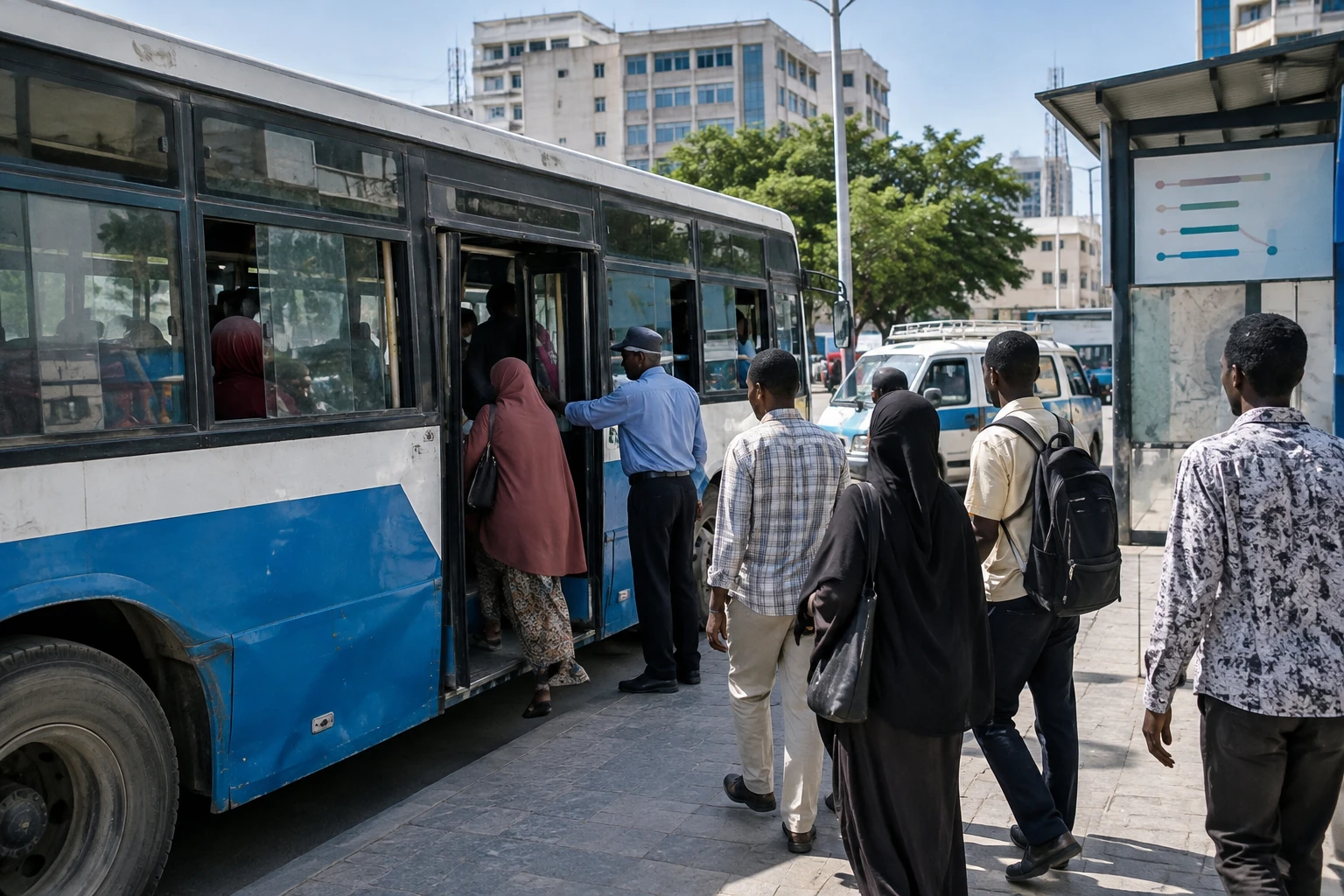
In Somalia, the question is no longer simply when voters will choose their president. It is now about which authority can set the rules for the election: the federal government, the regions or the courts. This institutional rivalry threatens to complicate an already disputed political transition.
A constitutional dispute divides the country
Somalia is a federal republic. Power rests on a fragile balance between Mogadishu and the member states, including Puntland and Jubaland. Since the adoption of a provisional constitution in 2012, attempts to complete the constitutional review have repeatedly reignited disagreements over the division of powers.
The electoral debate also concerns political representation. The indirect system, based on delegates’ colleges and clan balances, is contested by those who want a direct vote. But moving to universal suffrage requires agreement on the rules, the responsible institutions and the regions’ participation.
The disagreement is not new. In 2021, a previous extension of a term in office triggered a political crisis and clashes in Mogadishu. In 2024, constitutional amendments had already widened the rift between the federal government and several regional authorities, notably Puntland. Somalia belongs to IGAD, the regional organisation for the Horn of Africa, where its partners are closely monitoring the risks of destabilisation.
Court challenges implementation of amendments
The presidential term of Hassan Sheikh Mohamud, elected in May 2022, was due to end on 15 May 2026 under the previous rules. The federal parliament adopted constitutional amendments in March, which the president then promulgated. The government argues that these changes pave the way for a five-year term and national elections in 2027.
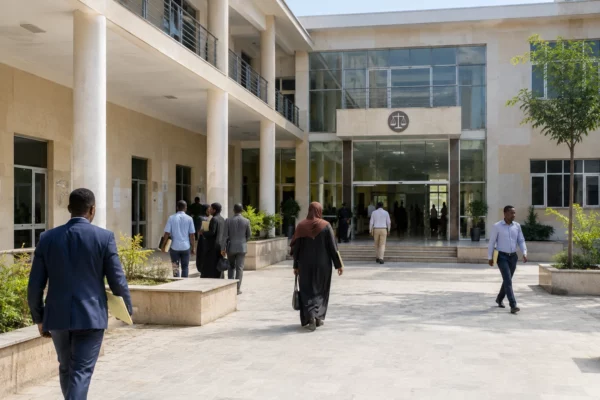
On 5 November, the Supreme Court ruled that the new provisions could not extend the terms of officials already in office. According to Somali accounts of the decision, it considers the presidential term to have expired in May and says federal institutions may now perform only routine functions. The Court has asked the parties concerned to agree on an electoral framework within 30 days and ordered elections to be held within 90 days. The ruling is disputed in its political effects, and its implementation remains uncertain.
The decision does not settle only a question of timing. It challenges the way the amendments were applied to leaders in office. The opposition and several regional officials had boycotted the process or rejected its legitimacy. The government, meanwhile, presents the reforms as a way to strengthen institutions and hold the first direct national election.
Justice at the centre of the standoff
The day before the ruling, the president announced the departure of Supreme Court president Baashe Yusuf Ahmed and the appointment of a successor. The presidency cited the need to improve the functioning of the justice system, without officially linking the decision to the constitutional case. The Court rejected the dismissal, describing it as null and void. Reports that the judge had been placed in custody have not been independently confirmed.
This confrontation undermines confidence in institutions at the very moment they should be arbitrating the dispute. If the government rejects the ruling, or if the opposition considers it insufficient, uncertainty could spread to federal administrations and regional authorities. For residents, the consequences could include disruption to public services and less predictable decisions. Traders and businesses, particularly in the capital, also need stable rules to plan their activities.
Election timetable and security in question
The electoral commission had announced parliamentary elections for 15 April 2027 and a presidential poll for 15 May. This timetable is based on the government’s interpretation, which holds that the amendments extend terms until 2027. It now conflicts with the Court’s order to hold elections within 90 days. The next steps will therefore depend as much on a political compromise as on the ability to organise the vote in practice.
The dispute is also unfolding against a difficult security backdrop. The armed group Al-Shabaab continues its insurgency against the Somali authorities. The effectiveness of security operations depends in part on coordination between the federal government, the member states and African Union forces.
Uganda’s announcement that it plans to withdraw all its troops from Somalia by the end of 2027 adds a deadline to watch. Kampala is a major contributor to the African Union support mission. At the same time, the future of United Nations logistical support for the mission remains uncertain. These developments do not mean that all forces will withdraw immediately, but they increase pressure on the Somali authorities to prepare a handover and maintain cooperation.
For IGAD and the African Union, the stakes go beyond the rivalry between the presidency and the Court. Somalia must reach a solution recognised by its federal institutions, regions and political forces, without jeopardising the organisation of elections or the continuity of security operations. The 30-day deadline set by the Court is now the first concrete test.