Algeria
 Egypt
 Libya
 Morocco
 Sudan
 Benin
 Burkina Faso
 Cabo Verde
 Côte d'Ivoire
 Ghana
 Guinea
 Guinea-Bissau
 Liberia
 Mali
 Mauritania
 Niger
 Nigeria
 Senegal
 Sierra Leone
 The Gambia
 Togo
 Cameroon
 Central African Republic
 Chad
 DR Congo
 Equatorial Guinea
 Gabon
 Republic of the Congo
 São Tomé and Príncipe
 Burundi
 Comoros
 Djibouti
 Eritrea
 Ethiopia
 Kenya
 Madagascar
 Malawi
 Mauritius
 Mozambique
 Rwanda
 Seychelles
 Somalia
 South Sudan
 Tanzania
 Uganda
 Angola
 Botswana
 Eswatini
 Lesotho
 Namibia
 South Africa
 Zambia
 Zimbabwe
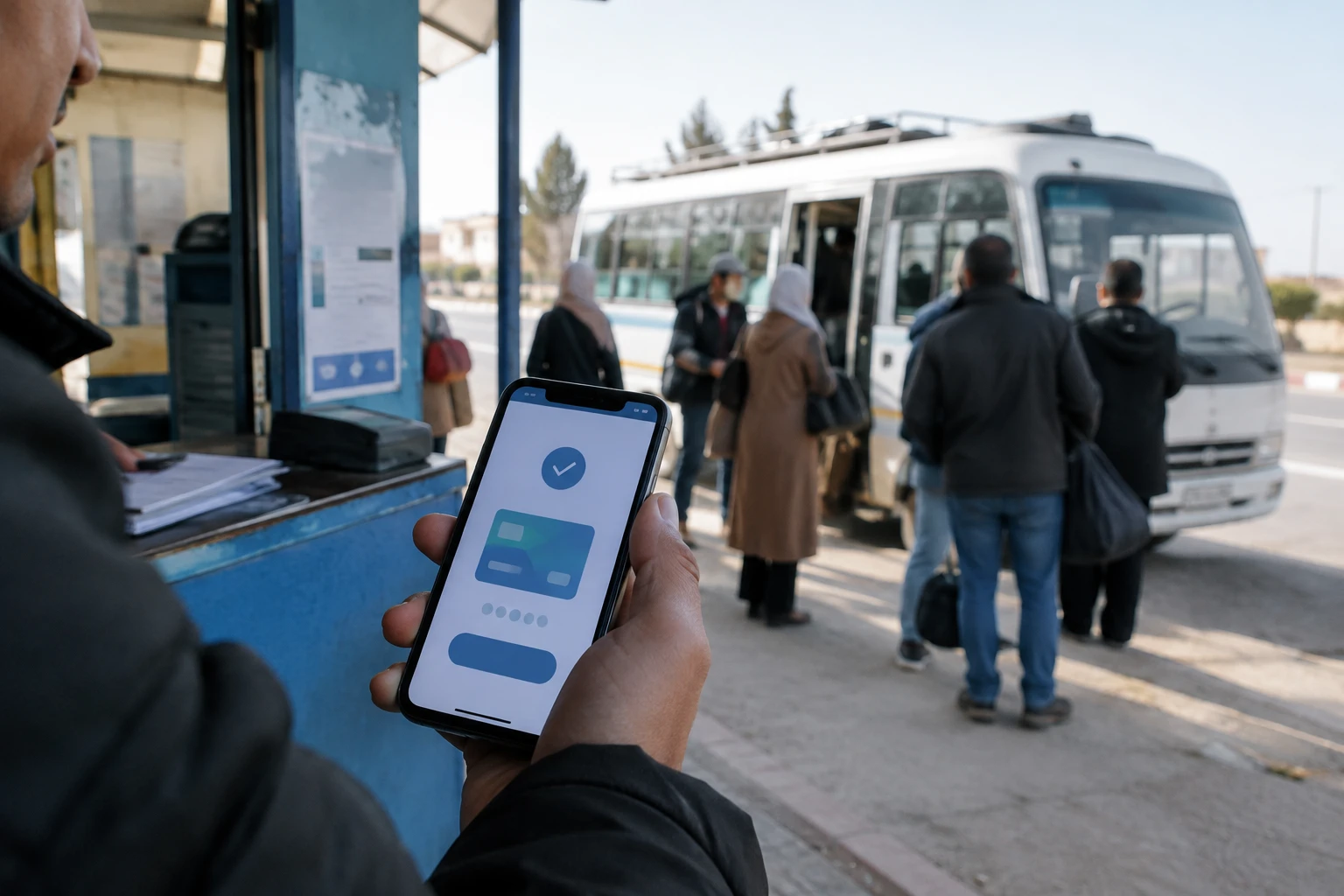
For a business in Sidi Bouzid or a family in Tunisia’s interior, a more reliable road can reduce travel time and costs. But infrastructure alone creates neither jobs nor services. Only under this condition can the investments announced for 2027 help reduce disparities between regions.
Connecting regions without promising an economic shortcut
Tunisia concentrates a significant share of its economic activity and connections in coastal areas. Roads linking the inland governorates to economic hubs, markets and public services are therefore a key issue in spatial planning. Modernising the network also forms part of the regional development ambitions set out in Tunisia’s 2026-2030 plan, while the Arab Maghreb Union remains a framework for regional cooperation despite limited economic integration.
Tunisia’s classified road network covers about 19,750 kilometres, of which 12,750 kilometres are paved, according to the Ministry of Equipment. It is supplemented by about 13,000 kilometres of rural tracks. These figures give a sense of the scale of the challenge: maintaining and improving an extensive network while ensuring that connections serve residents and economic activity.
The draft economic budget for 2027 provides for 32.6 billion dinars in investment, up from 28.6 billion in 2026, an announced increase of 14.1%. This is total investment, not just state spending. Of this amount, 1.2 billion dinars would be allocated to road infrastructure, according to information released on the draft. These figures remain forecasts: their implementation will depend on budget decisions and progress on construction sites.
Projects between Tunis, the centre and the north-west
Planned projects include the Tunis-Jelma motorway, which is about 186 kilometres long. It is intended to link the capital to Jelma, in Sidi Bouzid governorate, passing through Zaghouan and Kairouan, among other places. Some sections are scheduled for 2027, while other work is expected to continue beyond then. National Road 13, between Sfax, Sidi Bouzid and Kasserine, is also among the routes set for widening.
These links could make it easier to transport goods and for workers to travel. They could also bring residents closer to health, training and administrative services. However, the benefits will not be the same for everyone: businesses near the routes and regular users may benefit directly, while more remote communities will depend on the quality of connecting roads and secondary tracks.
External financing supplements the announced budgetary effort. On 27 October 2026, Tunisia signed two agreements totalling 432 million dinars with the Arab Fund for Economic and Social Development. The package funds, among other things, the Bou Salem-Fernana motorway and the development of rural tracks. The Fund says 30 million Kuwaiti dinars are allocated to the motorway route and 15 million to rural housing; Tunisian media report that the tracks concerned extend for 253 kilometres across 21 governorates.
A few weeks earlier, the Islamic Development Bank had approved 335.49 million euros to extend the motorway network towards Le Kef and Jendouba, in the north-west. These two funding packages should not be conflated: they target distinct projects and regions. Their scale also underlines that infrastructure financing relies on loans, whose terms and repayment schedules matter for public finances.
Connectivity alone will not rebalance the country
A passable road can reduce logistics costs and help producers reach markets. It can support domestic tourism, services and exchanges between governorates. But these effects remain tied to local activity: without production zones, public transport, public services and outlets, better connectivity risks mainly making it easier for workers and consumers to leave for major hubs.
Maintenance will be just as important as construction. Delays, deteriorating road surfaces or a lack of connecting roads can quickly reduce the usefulness of a new route. Results will therefore depend on the ability of public authorities to complete projects, ensure maintenance and coordinate road investment with agricultural, industrial and local policies.
For residents of towns and rural areas, the benefits will take different forms. Transport operators and formal businesses may gain time and predictability. Small producers and workers in the informal economy will depend more on the cost of journeys, access to rural tracks and the availability of regular transport. The decisive measure will therefore not be simply the number of kilometres delivered, but whether people can actually reach a job, market or service.
From announcements to implementation: the next test
The scope of these projects goes beyond travel. They raise a central question for Tunisia’s economic policy: how can investment be turned into opportunities that are more evenly distributed between the coast and the interior? The answer requires tracking deadlines, costs, maintenance and the effects on activity in the governorates served, rather than measuring success solely by the launch of construction work.
The next steps will be the execution of the 2027 budget allocations and progress on motorway and rural projects. For Tunisians, the issue is concrete: ensuring that new routes improve daily journeys and access to markets without leaving behind communities away from the main corridors.
Sources consulted: data from Tunisia’s Ministry of Equipment on the road network ; road projects and investment forecasts for 2027 ; information on the Tunis-Jelma motorway ; Tunisia-Arab Fund agreements for roads and rural tracks ; financing details published by the Arab Fund ; IDB financing for Le Kef and Jendouba.