Algeria
 Egypt
 Libya
 Morocco
 Sudan
 Tunisia
 Benin
 Burkina Faso
 Cabo Verde
 Côte d'Ivoire
 Ghana
 Guinea
 Guinea-Bissau
 Liberia
 Mali
 Niger
 Nigeria
 Senegal
 Sierra Leone
 The Gambia
 Togo
 Cameroon
 Central African Republic
 Chad
 DR Congo
 Equatorial Guinea
 Gabon
 Republic of the Congo
 São Tomé and Príncipe
 Burundi
 Comoros
 Djibouti
 Eritrea
 Ethiopia
 Kenya
 Madagascar
 Malawi
 Mauritius
 Mozambique
 Rwanda
 Seychelles
 Somalia
 South Sudan
 Tanzania
 Uganda
 Angola
 Botswana
 Eswatini
 Lesotho
 Namibia
 South Africa
 Zambia
 Zimbabwe
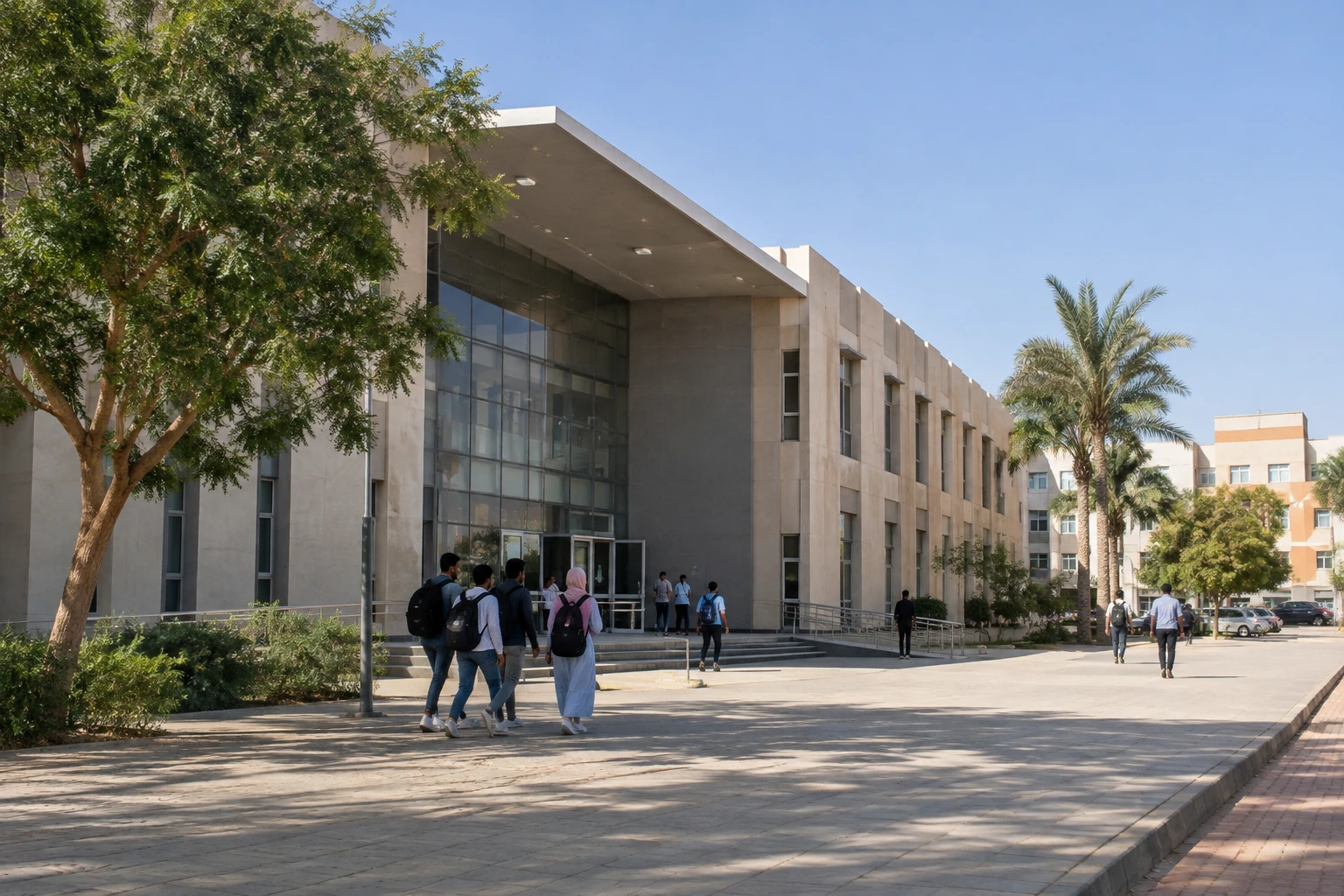
In Nouakchott, the cost of a journey to campus can directly affect attendance at lectures. Transport, as well as grants and housing, became the focus of a standoff between Mauritanian students and university authorities.
On 30 October, after a week of discussions, the Ministry of Higher Education and Scientific Research and four student organisations reached an agreement. The Student Front for the Defence of Rights and Achievements announced a temporary suspension of demonstrations. The protest movement is therefore easing, but outstanding demands have not been settled.
A compromise focused on travel
The newly announced pass costs 3,500 old ouguiyas a month for 50 journeys on the bus rapid transit (BRT) network, or 70 old ouguiyas per trip. On traditional routes not yet served by these buses, the fare remains 50 old ouguiyas, provided payment is made through the E-Ticket app.
The agreement also provides for ticket books for the conventional network: ten journeys valid for 15 days, or 20 journeys valid for one month. These arrangements spell out the transport compromise, which was at the heart of the protests after students objected to a reorganisation of routes and fare increases.
Old ouguiyas, the unit used in the reported fare announcements, should be distinguished from the current ouguiya. The sum of 3,500 old ouguiyas is equivalent to 350 current ouguiyas. This clarification avoids confusion with the euro conversions cited in some accounts of the agreement.
The two sides also agreed to restore student representation on the boards of directors and academic councils of institutions. A joint committee is to draw up a shared legal framework for university trade unions. Recognition of these representatives gives students a channel for dialogue beyond periods of crisis.
Unresolved issues remain open
On grants, housing, social assistance and access to master’s programmes, the agreement opens discussions rather than announcing final decisions. Joint committees are to examine these demands, along with improvements to university services, transparency in the allocation of grants and the situation of excluded students.
Student organisations are also calling for more places on master’s programmes and clearer rules for access to university residences. Figures in the initial material on the allocation of rooms have not been confirmed by the independent reports consulted. They therefore cannot be presented here as an established commitment under the agreement.
The Student Front describes the suspension of the protest movement as temporary and warns that demonstrations could resume if commitments are not implemented. This caveat matters: an agreement in principle guarantees neither the implementation of measures nor the timetable for the committees. The next discussions will need to clarify who will lead them and how their conclusions will be monitored.
A question of real access to university
For students who travel every day, the cost and availability of transport directly determine access to classes. A discounted pass could help, but its usefulness will depend on the routes served, bus frequency and ease of digital payment. Students without easy access to a phone or the app could face additional obstacles; the agreement does not yet set out a solution to this issue.
Housing, in turn, affects students from other localities and those whose resources do not allow them to live near campus. The criteria for allocating rooms and grants will therefore affect students’ ability to continue their studies, not just the administrative operation of institutions. The decisions awaited will have different effects depending on students’ place of residence and economic circumstances.
The government is introducing rapid transport in the capital, while student organisations are calling for this modernisation not to result in reduced access to existing services. The disagreement highlights an implementation challenge: integrating new infrastructure, traditional routes and social fares while consulting the users affected.
Implementation will be the test
The university crisis in Nouakchott is part of a wider debate about the quality of public services and young people’s representation in decisions that affect them. At regional level, it is a reminder that access to higher education also depends on urban transport, housing and appropriate support mechanisms, beyond national borders.
Mauritania belongs to the Arab Maghreb Union and has ties with the Sahelian and West African regions. For its students, however, the regional dimension does not replace the responses awaited on campus: the fares actually applied, the maintenance of services and the criteria for grants and housing will determine how results are measured.
The next steps will therefore be practical: publication of the terms for the new passes, the effective restoration of student seats on councils and the launch of the announced committees. Until they are implemented, the agreement marks a pause in the protest movement rather than a complete resolution of the conflict.