
 Algeria
 Egypt
 Libya
 Morocco
 Sudan
 Tunisia
 Benin
 Burkina Faso
 Cabo Verde
 Côte d'Ivoire
 Ghana
 Guinea
 Guinea-Bissau
 Liberia
 Mali
 Mauritania
 Niger
 Nigeria
 Senegal
 Sierra Leone
 The Gambia
 Togo
 Cameroon
 Chad
 DR Congo
 Equatorial Guinea
 Gabon
 Republic of the Congo
 São Tomé and Príncipe
 Burundi
 Comoros
 Djibouti
 Eritrea
 Ethiopia
 Kenya
 Madagascar
 Malawi
 Mauritius
 Mozambique
 Rwanda
 Seychelles
 Somalia
 South Sudan
 Tanzania
 Uganda
 Angola
 Botswana
 Eswatini
 Lesotho
 Namibia
 South Africa
 Zambia
 Zimbabwe
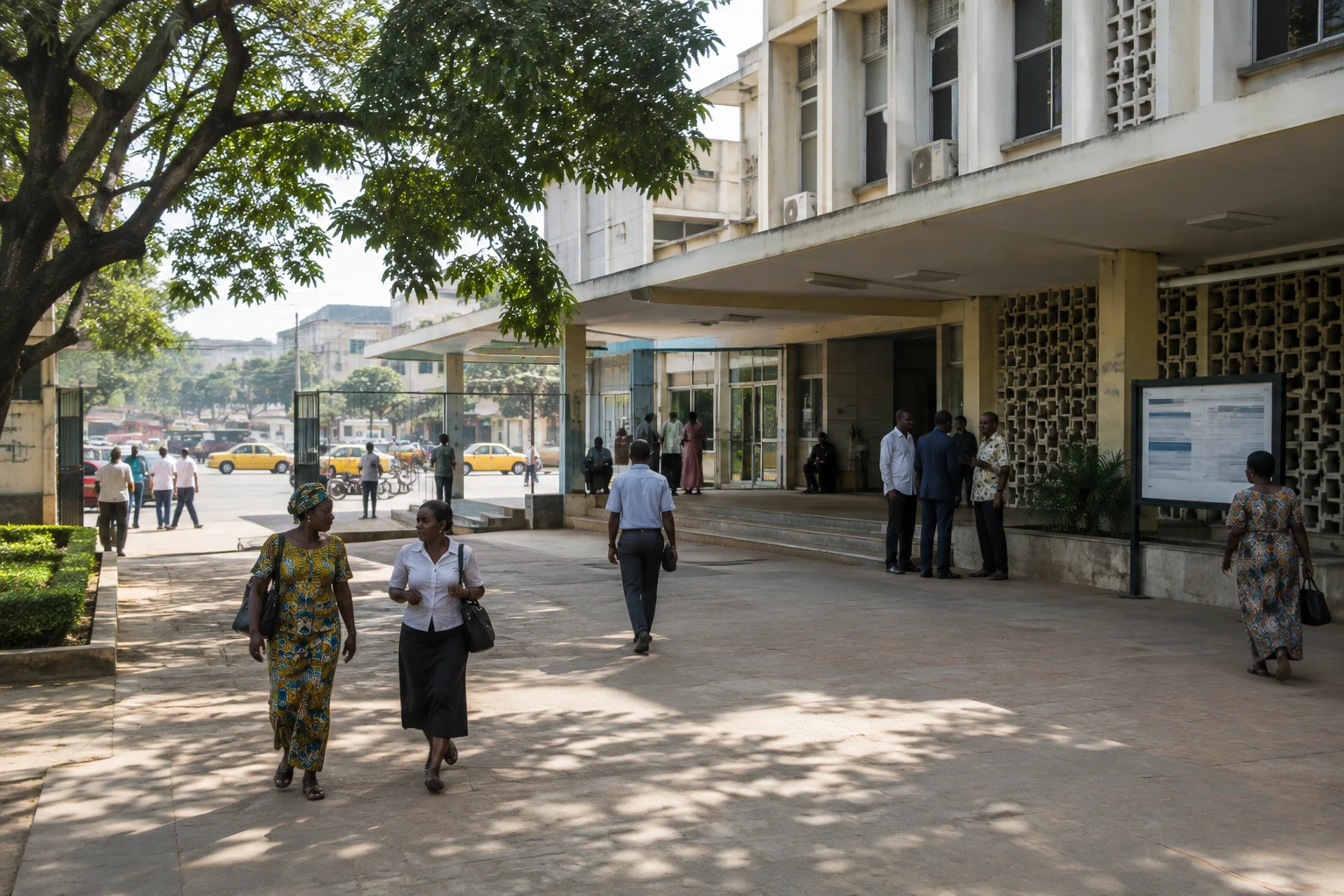
In Bangui, fuel prices have become more than a matter of what people pay at the pump: they affect travel, markets and debate over the transparency of public decisions. The march announced for 13 November could bring together two sources of anger that rarely arise without becoming intertwined: the cost of living and the detention of civil society leaders.
From pump prices to everyday costs
On 1 October, the Central African government raised fuel prices. For individual consumers, a litre of petrol rose from 1,050 to 1,150 CFA francs, while diesel went from 1,250 to 1,400 CFA francs, according to Radio Ndeke Luka. Prices charged to bulk consumers also increased. The measure took effect on the day it was announced.
The increase comes in a country where fuel also drives up transport and supply costs. In Bangui, it can feed through to daily journeys and prices in the markets. Households that spend a large share of their income on everyday expenses have less room to absorb these increases. Small traders and transport operators, meanwhile, must decide whether to pass on the costs or retain their customers.
Protest had already taken collective form on 12 October, when civil society organisations called for a so-called “dead city” day. Five of their leaders were arrested on 15 October, according to several reports published in Bangui. The authorities accuse them, among other things, of seeking to disturb public order; their supporters dispute the arrests and are calling for their release.
Political mobilisation, specific demands
On Friday 30 October, the Republican Bloc for the Defence of the Constitution (BRDC), an opposition coalition, announced a peaceful march in Bangui for 13 November. The movement intends to protest against the fuel price increase and call for the release of the five detained leaders. Its spokesperson, Martin Ziguélé, also called for the agreement concluded between the state and Neptune Oil to be published, and for the price of hydrocarbons to be below 1,000 CFA francs a litre.
This last demand concerns transparency as much as the price displayed at the pump. Making an agreement public would allow citizens to understand the responsibilities of the different actors involved in supply and the components that make up the final price. The BRDC’s demand, however, does not in itself demonstrate the terms of the agreement or its effect on prices: these points must be established from the document and the available data.
A civil society platform close to the government disputes the opposition’s approach. Its leader, Doctrouvé Koï, defends the adjustments made by the government and presents them as a response to global economic constraints. The debate therefore pits two interpretations against each other: for the BRDC and the organisations mobilising, the increase adds to pressure on households and calls for an explanation; for supporters of the decision, it responds to economic imperatives.
Detention at the heart of the stand-off
The five leaders are reported to have been remanded in custody on 30 October and transferred to Roux Camp prison, pending trial. This judicial step does not amount to a conviction. The charges and specific grounds for the proceedings must be distinguished from the demands made by the BRDC and civil society organisations.
Their detention also turns a mobilisation over prices into a debate about civil liberties and relations between the opposition, civil society and the authorities. Various voices have called for their release, including representatives of civil society who met President Faustin-Archange Touadéra on 21 October. The head of state then invoked the separation of powers, according to accounts published in Bangui. What happens next will therefore also depend on the judicial process and on how the authorities manage the announced demonstrations.
For residents, the stakes are not only political. A mobilisation could disrupt travel and commercial activity in the capital; but without a response on the cost of fuel, the question of its day-to-day impact also remains unresolved. The effects may differ for employees, transport operators, vendors and households reliant on irregular incomes. Conditions in Bangui do not sum up those in the regions, where access to goods and the distances travelled are shaped by other constraints.
A national issue in a regional context
The Central African Republic is a member of CEMAC, the Economic and Monetary Community of Central Africa, which brings together six countries around economic integration and a common currency. Membership places questions of movement and supply within a regional framework, without overriding the national decisions that determine pump prices.
For the authorities, the challenge is to ensure supply while explaining price adjustments. For the BRDC, the 13 November march must address both prices and the release of detainees. How it unfolds, any judicial decisions before that date and the government’s response to demands for transparency will be the next points to watch. In Bangui, the debate is thus testing the ability of the various actors to address a social demand without allowing political confrontation to obscure its practical consequences.



