
 Algeria
 Egypt
 Libya
 Sudan
 Tunisia
 Benin
 Burkina Faso
 Cabo Verde
 Côte d'Ivoire
 Ghana
 Guinea
 Guinea-Bissau
 Liberia
 Mali
 Mauritania
 Niger
 Nigeria
 Senegal
 Sierra Leone
 The Gambia
 Togo
 Cameroon
 Central African Republic
 Chad
 DR Congo
 Equatorial Guinea
 Gabon
 Republic of the Congo
 São Tomé and Príncipe
 Burundi
 Comoros
 Djibouti
 Eritrea
 Ethiopia
 Kenya
 Madagascar
 Malawi
 Mauritius
 Mozambique
 Rwanda
 Seychelles
 Somalia
 South Sudan
 Tanzania
 Uganda
 Angola
 Botswana
 Eswatini
 Lesotho
 Namibia
 South Africa
 Zambia
 Zimbabwe
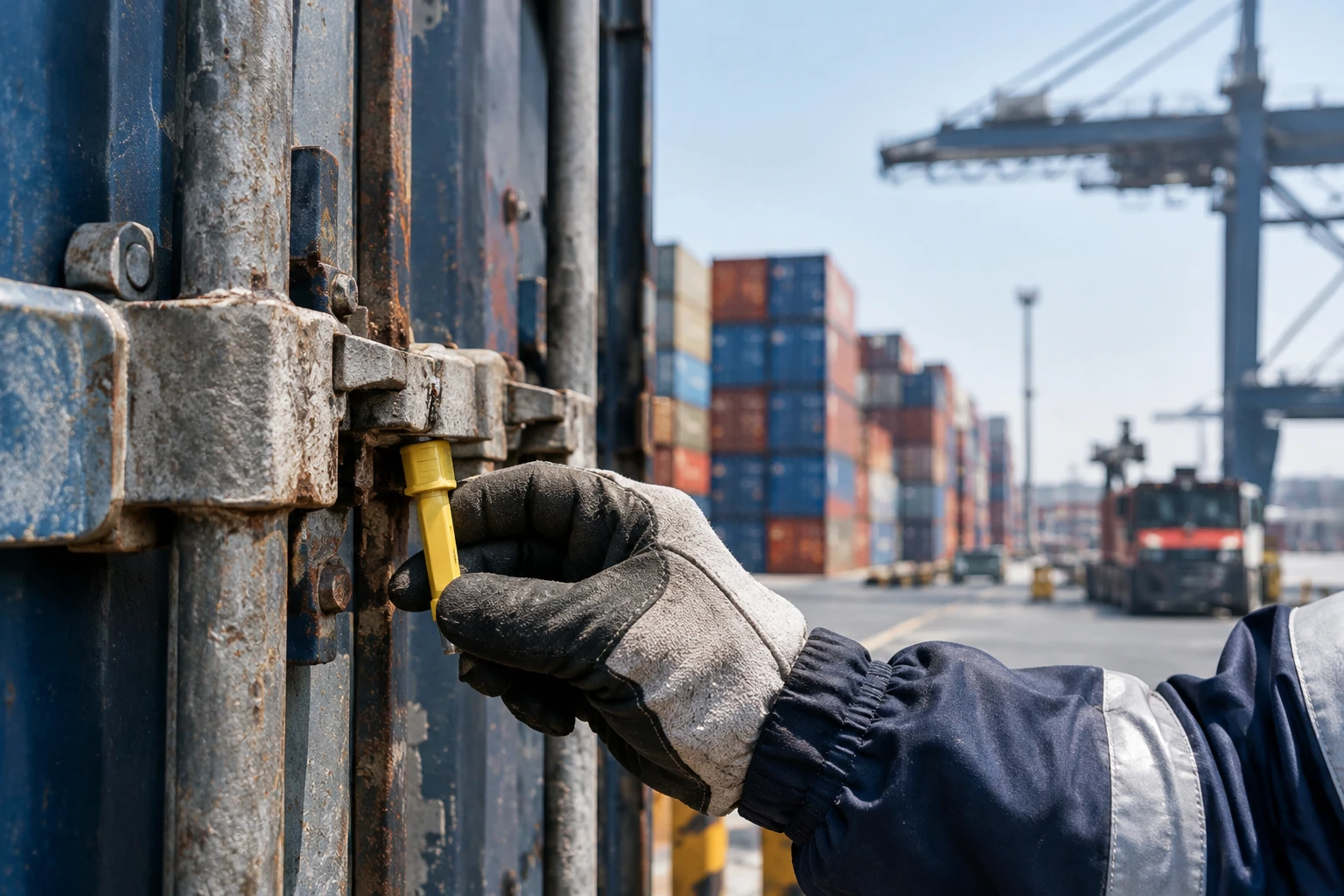
At the entrance to the Strait of Gibraltar, ships do more than pass between the Atlantic and the Mediterranean: they also shape trade routes and power dynamics. For Morocco, the challenge is now to turn Tanger Med’s growth into lasting economic activity, beyond container transshipment alone.
A port that has become a trade hub
Located in northern Morocco, near Tangier and facing the Spanish coast, Tanger Med has developed in stages since the mid-2000s. Its position on one of the world’s busiest maritime passages allows it to connect shipping routes between Europe, Africa, Asia and the Americas. The complex combines terminals, logistics zones and industrial activities.
This expansion is part of a national strategy to develop infrastructure and exports. It is also taking place in a regional arena where Mediterranean ports compete to attract shipping lines, operators and investment. The Arab Maghreb Union, which includes Morocco, Algeria and Tunisia, among others, remains poorly integrated economically: port trade therefore does not automatically translate into a co-ordinated regional logistics chain.
The traffic figures show the pressure on existing facilities. According to the port authority, Tanger Med’s four terminals handled 11,106,164 TEUs in 2025, with containers measured in standard 20-foot units. That was 8.4% more than in 2024. The complex also handled 161 million tonnes of goods that year. The container traffic figures were published by the port authority and reported by Moroccan public media outlet SNRT News.
Tanger Med 3: capacity and private capital
In response to this growth, Morocco plans to launch Tanger Med 3, a new port to the west of Tanger Med 2. The project is set to add 1,200 metres of quay and annual capacity of 4.5 million TEUs. The Royal Cabinet communiqué, published on the official Maroc.ma portal, puts public investment at 8 billion dirhams.
This figure should be distinguished from estimates in euros cited in some presentations of the project: the official figure given is in dirhams. The project will also mobilise private capital. A concession agreement has been signed with Maersk-APM to develop the new container terminal. Operations are due to begin in 2031, according to the royal communiqué.
The additional capacity meets a concrete need: preventing rising volumes from leading to quay congestion or making the port less attractive to shipping companies. But announced capacity does not guarantee traffic. Outcomes will depend on construction timelines, global demand, shipping companies’ decisions and connections between the port, industrial zones and domestic markets.
The model also relies on public investment being combined with private operations. The state funds major infrastructure, while concessionaires provide equipment and operational expertise. This division can accelerate development. It also raises questions about how the benefits are distributed: local gains will depend on the jobs created, the role of Moroccan companies in contracts and the value added retained in the country.
Nador West Med, the second hub in the system
The expansion of Tanger Med is not the only port project announced. More than 400 kilometres to the east, the Nador West Med complex is due to begin its first operations soon. Its first container terminal is ultimately expected to offer capacity of 3.5 million TEUs. The project also includes a liquefied natural gas terminal with announced annual capacity of 5 billion cubic metres, as well as a hydrocarbons terminal.
The royal communiqué describes the two ports as complementary. Tanger Med is already a major transshipment hub, where containers are transferred from one ship to another before continuing on their way. Nador West Med is intended to broaden the country’s port and energy offer while strengthening infrastructure in the Oriental region. The announced road and rail links will be crucial: without efficient access to production zones and consumers, port infrastructure alone is not enough to spread its benefits throughout the economy.
Benefits beyond the quays
For Moroccans, the issue is not simply the port’s position in international rankings. The growth of the terminals can support industrial and agri-food exports, as well as transport, warehousing and maintenance activities. It can also create jobs in the north of the country. However, the benefits are not distributed automatically: businesses close to the platforms and formal-sector operators are better placed to benefit than small businesses without access to port markets.
Port development also brings costs that need to be monitored: land use, water and energy needs, lorry traffic and pressure on local infrastructure. Official announcements refer to benefits for the areas concerned, but measuring them will depend on concrete data on employment, contracts awarded to local companies and transport facilities brought into service.
At continental level, Tanger Med and Nador West Med illustrate the growing place of African infrastructure in global trade chains. For Morocco, the next step will be to connect this capacity more closely to domestic producers and trade with the rest of the continent, particularly under the African Continental Free Trade Area. Key milestones to watch are the actual start of work on Tanger Med 3, the phased opening of Nador West Med and the completion of the announced land connections.



