Algeria
 Egypt
 Libya
 Morocco
 Sudan
 Tunisia
 Benin
 Burkina Faso
 Cabo Verde
 Côte d'Ivoire
 Ghana
 Guinea
 Guinea-Bissau
 Liberia
 Mauritania
 Niger
 Nigeria
 Senegal
 Sierra Leone
 The Gambia
 Togo
 Cameroon
 Central African Republic
 Chad
 DR Congo
 Equatorial Guinea
 Gabon
 Republic of the Congo
 São Tomé and Príncipe
 Burundi
 Comoros
 Djibouti
 Eritrea
 Ethiopia
 Kenya
 Madagascar
 Malawi
 Mauritius
 Mozambique
 Rwanda
 Seychelles
 Somalia
 South Sudan
 Tanzania
 Uganda
 Angola
 Botswana
 Eswatini
 Lesotho
 Namibia
 South Africa
 Zambia
 Zimbabwe
In Sounga, in central Mali, choosing not to negotiate with an armed group has left an entire village isolated. For its residents, resisting also means being able to move around, farm and access services without submitting to rules imposed by force.
Deals under duress in Djenné cercle
Sounga is in the commune of Mougna, about 40 kilometres from Djenné, in the Mopti region. The village lies in an area where the Malian authorities do not maintain a permanent security presence in every locality. The army is reported to be in Djenné, but not in Mougna, according to information available on the clashes.
In the centre of the country, the Al-Qaeda-affiliated Group for the Support of Islam and Muslims (JNIM) regularly imposes blockades and seeks to secure local agreements. These deals can allow residents to resume some activities, but in return they must accept social and religious rules, movement restrictions and levies. Research on blockades in Mali describes this strategy as a way for the group to extend its influence without necessarily maintaining a permanent presence in every village. An analysis of JNIM blockades in Mali details their effects on daily life.
Sounga is reportedly the last of the 29 villages in the commune of Mougna not to have reached an agreement with JNIM. The blockade is said to have begun in May, according to testimony gathered in the area. Its exact duration depends on the date of the first report and should therefore be understood as a reported detail, not an independently verified measure.
Conflicting tolls after the attack
On 21 October, JNIM fighters reportedly attacked Sounga, which was defended by Dozo hunters. These traditional hunters, found in several parts of West Africa, have become armed self-defence groups in some areas. Their security role puts them in direct contact with jihadist groups, but also with civilian communities exposed to reprisals.
The available information does not allow an independent toll to be established. A local source close to the Dozos reported four hunters killed, about a dozen wounded and houses burned. A source close to JNIM, for its part, claimed that about 10 Dozos had been killed and as many wounded, as well as prisoners taken. These figures should remain attributed to the sources that gave them.
A resident of the area also reported the death of the Dozo chief’s son. After the clash, gunfire and drone attacks reportedly continued to target the village. Residents are seeking help from the authorities, while the armed group is said to have ordered them to submit or leave. These reports remain difficult to confirm independently.
Armed protection cannot replace a public presence
The Dozos can provide immediate protection where regular forces are far away. But their ability to withstand a prolonged offensive remains limited. An ACLED analysis of their militarisation in central Mali describes the pressure JNIM has exerted on villages associated with the Dozos and the agreements reached after sieges. It also highlights the risk that localised clashes could fuel tensions between communities. ACLED’s study of Dozo groups in Mali documents this trend.
This warning matters in Djenné cercle. Civilians do not form a single bloc behind either side. Some may depend on the Dozos for their security, while others fear reprisals or abuses by armed groups. Human Rights Watch has documented violence attributed to Dozo militias against Peul civilians in the Djenné area. This does not mean those incidents should be conflated with the fighting in Sounga, but it is a reminder that any security response must protect residents without associating them with either side. Human Rights Watch’s report on violence in the Djenné region sets out these risks.
The blockade is also taking its toll beyond the front line. Restrictions on movement can prevent residents from reaching markets, fields or health centres. Households dependent on farming and local trade are particularly vulnerable when roads become dangerous. Conversely, imposed agreements can reopen some routes, but at the cost of a parallel authority that curtails communities’ freedom to make decisions.
What is at stake for Mali and the region
Sounga’s situation is part of a national trajectory marked by the advance of armed groups in central and northern Mali, as well as the growing reliance on self-defence forces. It raises a practical question for the authorities in Bamako: how can they protect remote villages without making local militias responsible for that task indefinitely? A temporary military presence is not enough to guarantee access to services, road security or a return to economic activity.
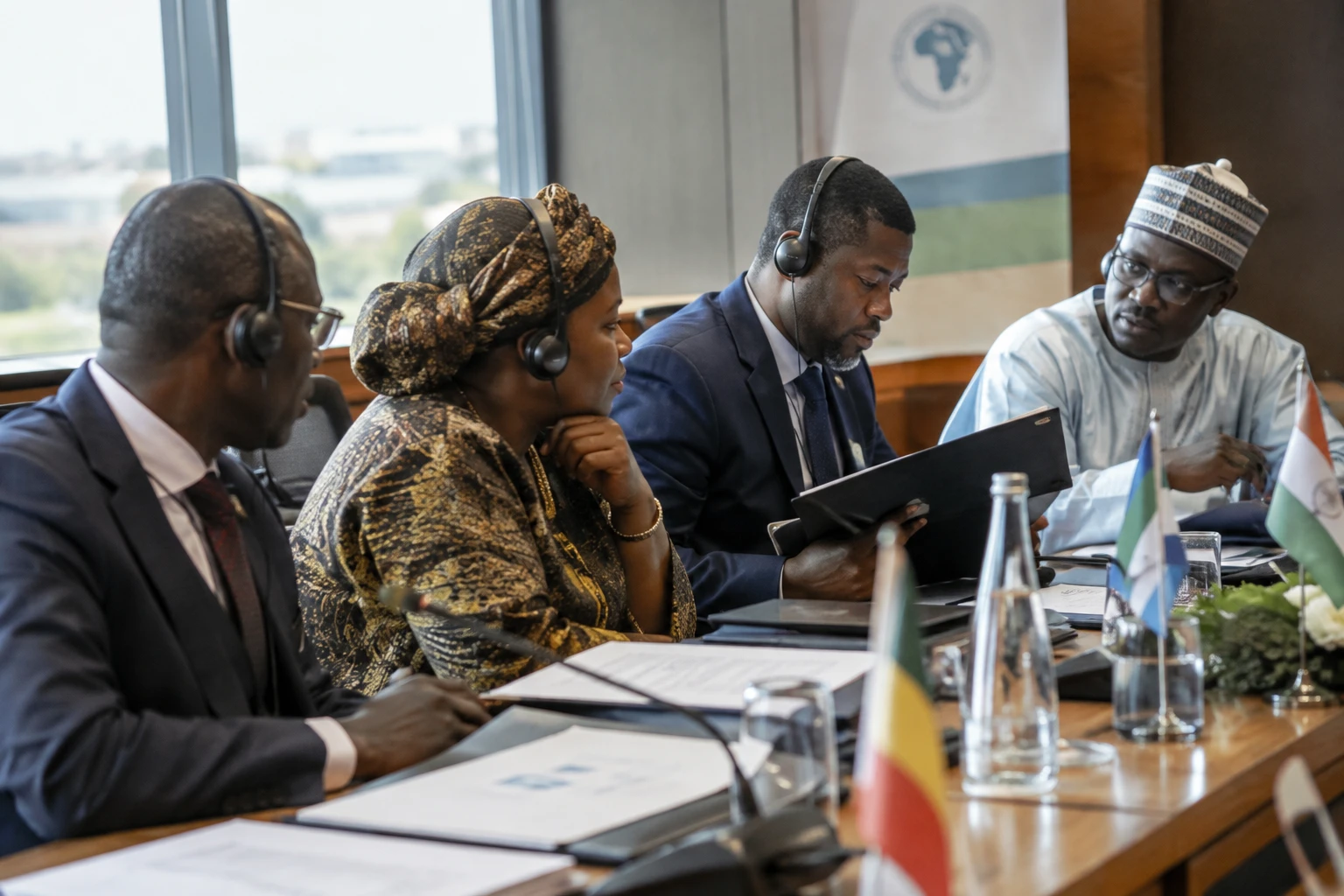
At regional level, ECOWAS — the economic integration organisation of West African states — remains concerned by the effects of cross-border insecurity and the changing relationship with Mali. Mali’s withdrawal from the organisation, which took effect in January 2025, has also reduced the scope for shared political frameworks between Bamako and several neighbouring countries. Responses to local crises therefore rely more heavily on national arrangements and bilateral co-operation.
For Sounga, the decisive next steps are restoring safe movement, ensuring access to aid and independently confirming the losses. As long as the blockade and threats persist, the village’s resistance does not guarantee its safety. Above all, it reveals the human cost of a choice made in an area where the state, armed groups and self-defence actors are vying for authority.