Algeria
 Egypt
 Libya
 Morocco
 Sudan
 Tunisia
 Benin
 Burkina Faso
 Cabo Verde
 Côte d'Ivoire
 Ghana
 Guinea
 Guinea-Bissau
 Liberia
 Mali
 Mauritania
 Niger
 Nigeria
 Senegal
 Sierra Leone
 The Gambia
 Togo
 Cameroon
 Central African Republic
 Chad
 DR Congo
 Equatorial Guinea
 Gabon
 Republic of the Congo
 São Tomé and Príncipe
 Burundi
 Comoros
 Djibouti
 Eritrea
 Ethiopia
 Kenya
 Madagascar
 Malawi
 Mauritius
 Mozambique
 Rwanda
 Seychelles
 Somalia
 South Sudan
 Tanzania
 Angola
 Botswana
 Eswatini
 Lesotho
 Namibia
 South Africa
 Zambia
 Zimbabwe
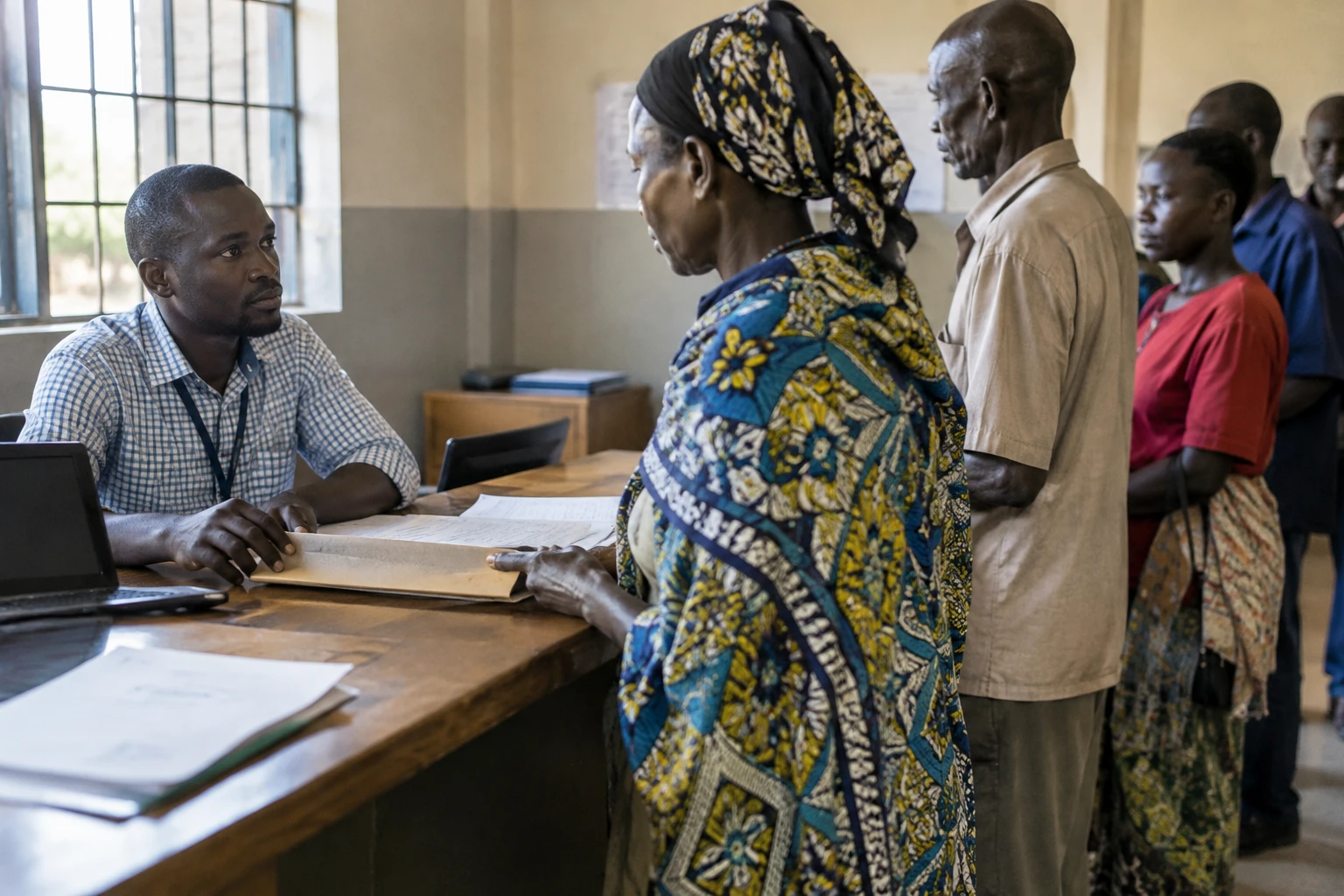
When harvests fail, the crisis does not stop at empty granaries. In north-eastern Uganda, falling incomes, the cost of food and pressure on water supplies also undermine livestock, children’s health and families’ ability to cope until the next harvest.
In response to these needs, the United Nations and its partners launched an appeal for $50.19 million for their work in Uganda on 26 October 2026. The stated aim is to help 560,000 people, including refugees and residents of the Karamoja region. The programme’s total cost is estimated at $61.26 million; $11.08 million was available when it was launched. These figures describe a funding appeal, not sums already distributed.
A food crisis affecting several areas
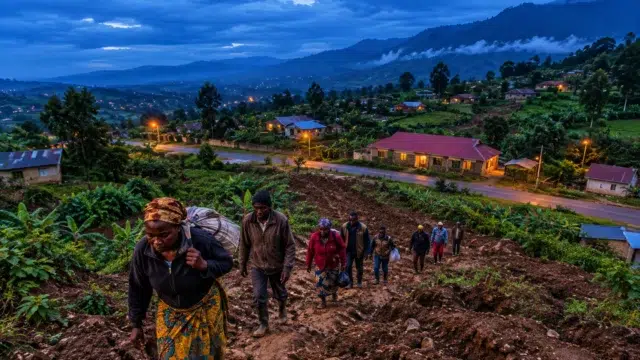
Karamoja, a region in north-eastern Uganda, is particularly exposed to climate shocks and poor harvests. Prolonged drought has reduced household resources and put livelihoods under pressure. But needs are not confined to this region: the analysis also covers communities hosting refugees, camps and other districts.
On 26 October, the UN Resident Coordinator in Uganda, Leonard Zulu, said that about 3.6 million people were facing acute food insecurity at “crisis” level or worse. The projection rises to 4.4 million between February and June 2027, the lean season when stocks dwindle before harvests. These estimates are based on analysis by the Integrated Food Security Phase Classification, or IPC, a tool that classifies the severity of food insecurity according to common thresholds.
The situation is particularly difficult in Karamoja, but the figures must be understood in the context of the period they cover. An earlier IPC analysis, published in June, estimated that 473,000 people in the region were in crisis or worse between April and July 2026. The humanitarian organisation Oxfam, drawing on the same analysis, reported this estimate in August. It is therefore a benchmark for those months, not a figure directly comparable with the new national projections.
From immediate aid to essential services
The appeal is intended to fund several types of intervention: cash transfers to households, agricultural inputs, livestock support, healthcare and nutrition services. It also provides for the rehabilitation of water points, sanitation measures, child protection and the prevention of gender-based violence. The challenge is to address interconnected needs: a family that loses its harvest may also lose income, cut back on meals and have less access to healthcare or safe water.
The IPC estimates that about 529,000 children aged 6 to 59 months and 327,700 pregnant or breastfeeding women could suffer from acute malnutrition and need treatment between April 2026 and March 2027. These are estimates of needs over a defined period, not the number of people already receiving support. The analysis identifies critical levels in the districts of Kotido and Kaabong, in Karamoja.
Funding shortfalls can limit the reach of responses even before needs peak. In its September analysis, the food-security monitoring network FEWS NET says crisis-level food insecurity is expected to persist in Karamoja until January 2027. It also notes that poor harvests, limited stocks and seasonal price rises are making access to food more difficult, including for refugee households. These findings complement the IPC projections, but are not the same analysis and do not cover exactly the same populations.
A challenge for the authorities and partners
In Kampala, the Ugandan government remains central to coordination with local authorities, UN agencies and humanitarian organisations. The launch of the appeal, chaired by Prime Minister Robinah Nabbanja, forms part of the national response plan for the food and nutrition crisis in Karamoja. The UN also describes it as complementary to the priorities of Uganda’s Fourth National Development Plan.
For households, the response cannot be measured solely by the amount announced. Its impact will depend on how quickly funds are disbursed, access to remote communities and how well aid matches local needs. Cash transfers can help people buy food when markets are functioning; agricultural inputs and livestock support are intended instead to protect incomes and production. The rehabilitation of water points addresses domestic needs as well as agricultural and pastoral activities.
The effects are also uneven. Families who depend on farming or livestock are directly affected by crop losses and water shortages. Refugees and the communities hosting them depend, to varying degrees, on aid and the income opportunities available in their area. Children and pregnant or breastfeeding women have specific nutritional needs, while people in remote areas may face greater barriers to accessing services.
The 2027 lean season, the next test
The risk does not stop at Karamoja’s borders. Uganda is a member of the East African Community, which brings together several countries linked by trade, movement and regional markets. Price fluctuations, harvests and trade flows can therefore affect access to food. At continental level, the appeal also illustrates the challenge of funding responses that must combine emergency aid, nutrition and the lasting protection of livelihoods.
The next period to watch is February to June 2027, when the IPC projects a national rise from 3.6 million to 4.4 million people facing acute food insecurity at crisis level or worse. Partners will need to report on funds actually raised and the people reached. For Ugandans affected, the difference will depend on the continuity of aid, as well as local services’ ability to protect harvests, access to water and nutrition care beyond the emergency.
The food-security and nutrition estimates come from recent, separate analyses. The UN office in Uganda published the national figures presented at the launch, while the IPC details nutrition findings and FEWS NET monitors regional developments. Oxfam has also documented the difficulties faced by communities in Karamoja and the limits of food stocks.