Algeria
 Egypt
 Libya
 Morocco
 Sudan
 Tunisia
 Benin
 Burkina Faso
 Cabo Verde
 Côte d'Ivoire
 Ghana
 Guinea
 Guinea-Bissau
 Liberia
 Mali
 Mauritania
 Niger
 Nigeria
 Sierra Leone
 The Gambia
 Togo
 Cameroon
 Central African Republic
 Chad
 DR Congo
 Equatorial Guinea
 Gabon
 Republic of the Congo
 São Tomé and Príncipe
 Burundi
 Comoros
 Djibouti
 Eritrea
 Ethiopia
 Kenya
 Madagascar
 Malawi
 Mauritius
 Mozambique
 Rwanda
 Seychelles
 Somalia
 South Sudan
 Tanzania
 Uganda
 Angola
 Botswana
 Eswatini
 Lesotho
 Namibia
 South Africa
 Zambia
 Zimbabwe
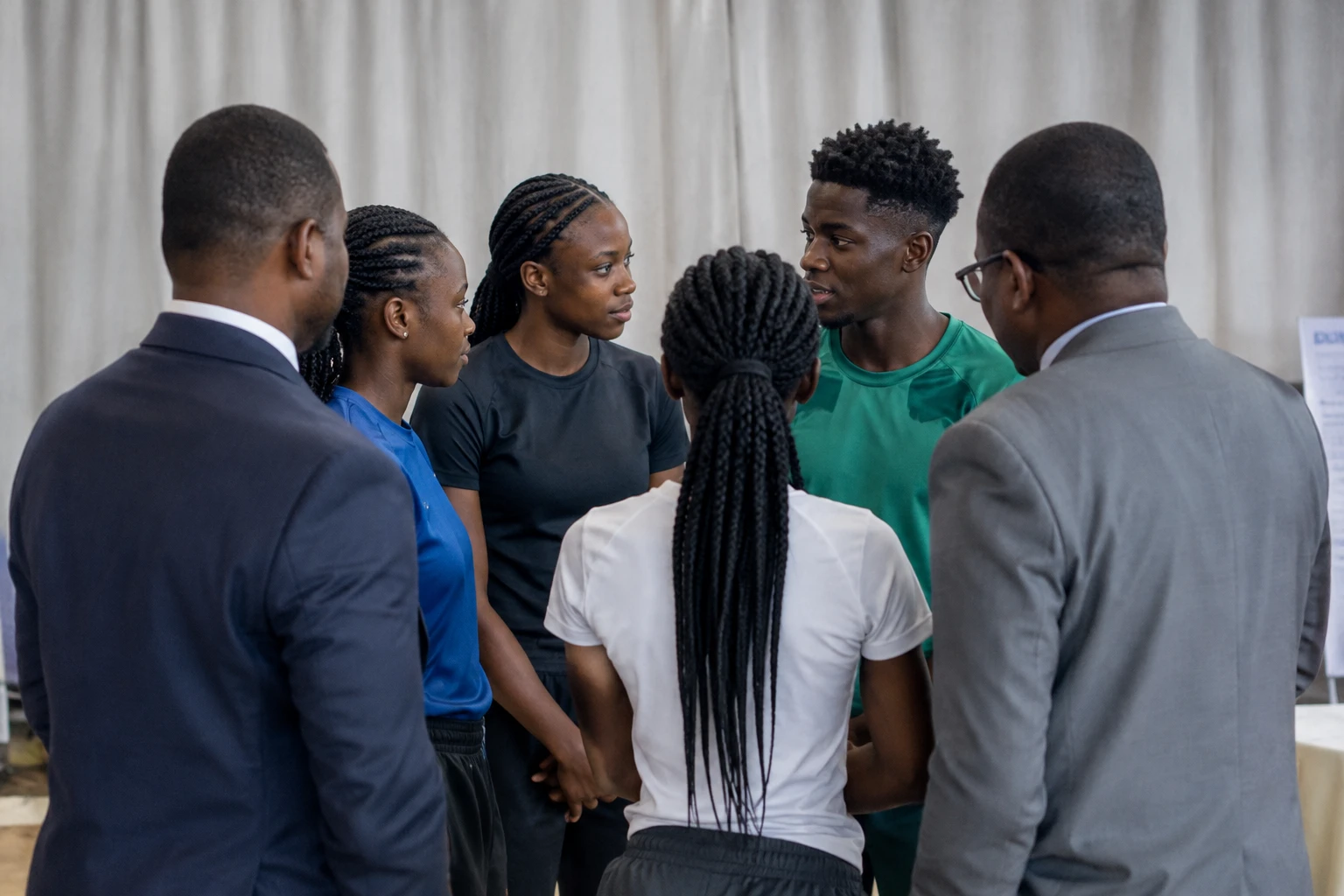
Five days before the opening, Senegal is preparing to host an event that goes beyond the competition venues. From 31 October to 13 November 2026, the Youth Olympic Games (YOG) will bring nearly 2,700 young athletes together in Dakar, Diamniadio and Saly. For the country, the challenge will also be to ensure the Games have a life beyond the ceremony and sports venues.
An unprecedented event across three cities
The Dakar Summer YOG will be the first Olympic sporting event held on African soil. The official schedule runs from 31 October to 13 November. Some competitions, including Baseball5, are nevertheless due to begin on 30 October, before the opening ceremony. Events and activities will be spread across Dakar, Diamniadio and Saly, in western Senegal. The International Olympic Committee’s press kit lists about 2,700 athletes and 153 medal events.
The programme requires one clarification: it does not involve 35 competitive sports. The IOC distinguishes between 25 competitive sports and ten engagement sports, with 35 international federations involved. These engagement activities complement the events with opportunities for discovery and participation. The distinction matters because it helps explain what organisers mean by the figure of 35.
The opening ceremony is scheduled to take place in Diamniadio, near Dakar. The choice puts the spotlight on a new city that is already home to public and sporting facilities, while competition venues extend as far as Saly. Holding the event across several hubs may spread activities out, but it also makes transport, public information and co-ordination between the host cities essential.
A test of organisation and sporting legacy
Senegal was selected to host the Games in 2018. The event, initially scheduled for 2022, was postponed to 2026 during the Covid-19 pandemic. The long preparations have put the question of legacy at the heart of expectations: will the facilities and investments remain useful after the delegations have left? The schedule is now the immediate deadline, but the Games will also be judged in the years that follow.
The answer will not be measured only by visitor numbers or the quality of the ceremonies. For Senegalese people, the benefits may vary depending on location and activity: businesses involved in hospitality and transport will not be affected in the same way as neighbourhood clubs, independent vendors or residents living near the venues. The Games offer a window of visibility, but visibility alone does not guarantee lasting income or regular access to new facilities.
Local sports could also benefit from encounters with young athletes from different countries. Sports that are still relatively uncommon or receive less media coverage could attract new audiences. Skateboarding, listed among the programme’s sports, is one example of this potential. But turning discovery into participation will require accessible venues, coaches and clubs able to continue their activities after the event.
Senegalese organisers have also announced a national team of 136 young athletes competing in 23 sports. The figure, published by the Senegalese National Olympic and Sports Committee, provides a concrete indication of the host country’s participation. It does not predict the results: it will also be important to see how these young athletes measure up against their peers and what training opportunities are available to them afterwards. The CNOSS presents Senegal’s team.
A regional impact beyond Senegal
For West Africa, Dakar 2026 is a continental event hosted by a member of ECOWAS, the Economic Community of West African States. Delegations, federations and spectators will move through a regional space where sporting exchanges also depend on clubs, competitions and training networks. The Games in Senegal therefore represent more than a symbolic first: they will test an African country’s ability to host an Olympic event and manage its logistical demands.
This wider significance should not obscure the very practical responsibilities involved. Success will depend on co-ordination between the authorities, the organising committee, federations and local governments in the three cities. It will also be shaped by the experience of athletes and residents: access to venues, transport, security, hospitality and the continuity of sporting activities. An international event can strengthen local expertise, provided the skills acquired and facilities built are subsequently put to use by Senegalese sportspeople.
So 31 October will mark the start of a two-week event, but not the final verdict on Dakar 2026. Sporting results will have their place. The more lasting test will be whether this Olympic first broadens access to sport, supports local federations and leaves useful facilities beyond the neighbourhoods directly involved. That is the measure by which the Games could matter for Senegal and, more broadly, for the African sporting movement.