Algeria
 Egypt
 Libya
 Morocco
 Sudan
 Tunisia
 Benin
 Burkina Faso
 Cabo Verde
 Côte d'Ivoire
 Ghana
 Guinea
 Guinea-Bissau
 Liberia
 Mali
 Mauritania
 Niger
 Nigeria
 Senegal
 Sierra Leone
 The Gambia
 Togo
 Cameroon
 Central African Republic
 Chad
 DR Congo
 Equatorial Guinea
 Gabon
 Republic of the Congo
 São Tomé and Príncipe
 Burundi
 Comoros
 Djibouti
 Eritrea
 Ethiopia
 Kenya
 Madagascar
 Malawi
 Mauritius
 Mozambique
 Rwanda
 Seychelles
 Somalia
 South Sudan
 Tanzania
 Angola
 Botswana
 Eswatini
 Lesotho
 Namibia
 South Africa
 Zambia
 Zimbabwe
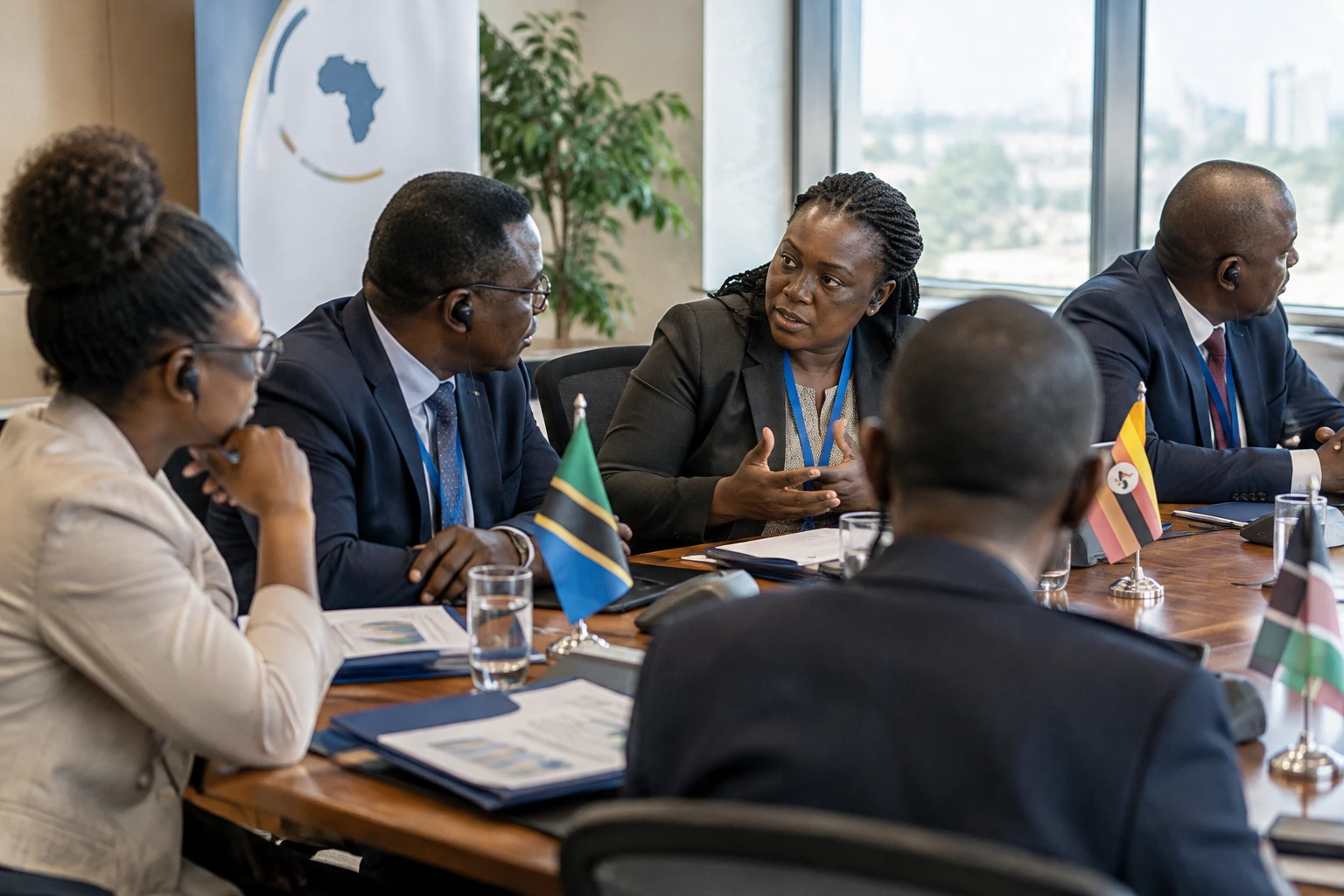
In Kampala, export figures paint a mixed picture of Uganda’s economy: revenues are rising sharply year on year, but the increase relies heavily on a metal whose value may partly flow back abroad. The challenge, then, is as much about retaining more wealth in the country as it is about selling more.
Annual growth driven by gold
In August 2026, Uganda’s merchandise exports reached about $1.5bn, compared with $1.1bn a year earlier, according to figures from the finance ministry cited by Ugandan business media. That represents an annual increase of about 36%. The total is also close to another comparison: exports rose by 6.4% from July 2026, according to central bank data reported by Uganda Business News.
Gold brought in $889mn in August, or nearly 60% of the month’s total exports. Its value rose by $100.6mn compared with July. This surge alone explains the monthly increase: excluding gold, exports actually fell by $10.2mn to $603.1mn. The two comparisons therefore measure different things: the 36% jump is year on year, while the central bank’s detailed figures show more moderate monthly growth.
The finance ministry attributes the increase in export revenues to several products, including gold, as well as maize, flowers, beer, cocoa, cement and electricity. This diversity matters. It is a reminder that Ugandan trade is not confined to the precious metal, even if gold now dominates the value of external sales.
A regional hub, with value added to consolidate
Uganda, a landlocked country in East Africa, has established itself as a regional centre for gold refining and trade. Some of this activity involves processing or re-exporting metal from the region. Gross export value therefore does not necessarily correspond to revenue produced or retained entirely within the national economy.
Trade data call for caution. In July, Uganda’s imports of mineral products rose sharply. Available statistics do not always make it possible to isolate gold’s share of these flows or determine the precise origin of each shipment. The net balance generated by gold trading therefore remains difficult to establish for any given month. An increase in exports alone is not enough to measure the gains captured locally.
For the authorities, the challenge is to turn this trading position into jobs, tax revenues and skills. This means, in particular, tracking the metal, complying with customs rules and developing processing activity that creates more value locally. The available figures do not show that these benefits are growing at the same pace as sales.
Useful foreign currency, but an uncertain effect on the shilling
Export revenues bring in foreign currency, needed in particular to pay for imports and service debt. They can support the supply of dollars on the market and help limit pressure on the Ugandan shilling. But the exchange rate also depends on imports, diaspora remittances, capital flows and global economic conditions. It would therefore be premature to attribute a lasting change in the currency solely to gold’s performance.
The distinction between exports and the trade balance is also important. In August, imports reached a high level, while exports increased over the month. The country can therefore sell more abroad without eliminating its trade deficit. For businesses, importers and households, the cost of imported goods remains a tangible channel through which exchange-rate movements are felt.
Oil brings another regional milestone
The other prospect for external revenues is oil from the Lake Albert basin in the west of the country, near the border with the Democratic Republic of the Congo. The timetable has shifted: in October 2026, officials at the national oil company said production was expected to start before the end of the financial year, no later than 30 June 2027, without specifying a month. Equipment delays and the need to bring fields and infrastructure on stream in a co-ordinated way explain this caution.
The crude is to reach the Tanzanian port of Tanga via the roughly 1,443-kilometre heated EACOP pipeline. The project directly links Uganda to Tanzania and gives future exports a regional dimension. In September, the national oil company announced that Ugandan crude would be marketed as “Pearl Sweet” and said it was aiming to begin exports in 2027. The operational timetable, however, remains to be confirmed as the facilities are completed and tested.
For Uganda and its partners in the East African Community (EAC), which brings together several countries in the region around economic integration goals, the challenge goes beyond export volumes. It also concerns the distribution of revenues, infrastructure security and the role of local processing. The coming months will show whether the expansion of gold translates into more widely shared gains, while the start of oil production remains dependent on a deadline now set for the first half of 2027.