Algeria
 Libya
 Morocco
 Sudan
 Tunisia
 Benin
 Burkina Faso
 Cabo Verde
 Côte d'Ivoire
 Ghana
 Guinea
 Guinea-Bissau
 Liberia
 Mali
 Mauritania
 Niger
 Nigeria
 Senegal
 Sierra Leone
 The Gambia
 Togo
 Cameroon
 Central African Republic
 Chad
 DR Congo
 Equatorial Guinea
 Gabon
 Republic of the Congo
 São Tomé and Príncipe
 Burundi
 Comoros
 Djibouti
 Eritrea
 Ethiopia
 Kenya
 Madagascar
 Malawi
 Mauritius
 Mozambique
 Rwanda
 Seychelles
 Somalia
 South Sudan
 Tanzania
 Uganda
 Angola
 Botswana
 Eswatini
 Lesotho
 Namibia
 South Africa
 Zambia
 Zimbabwe
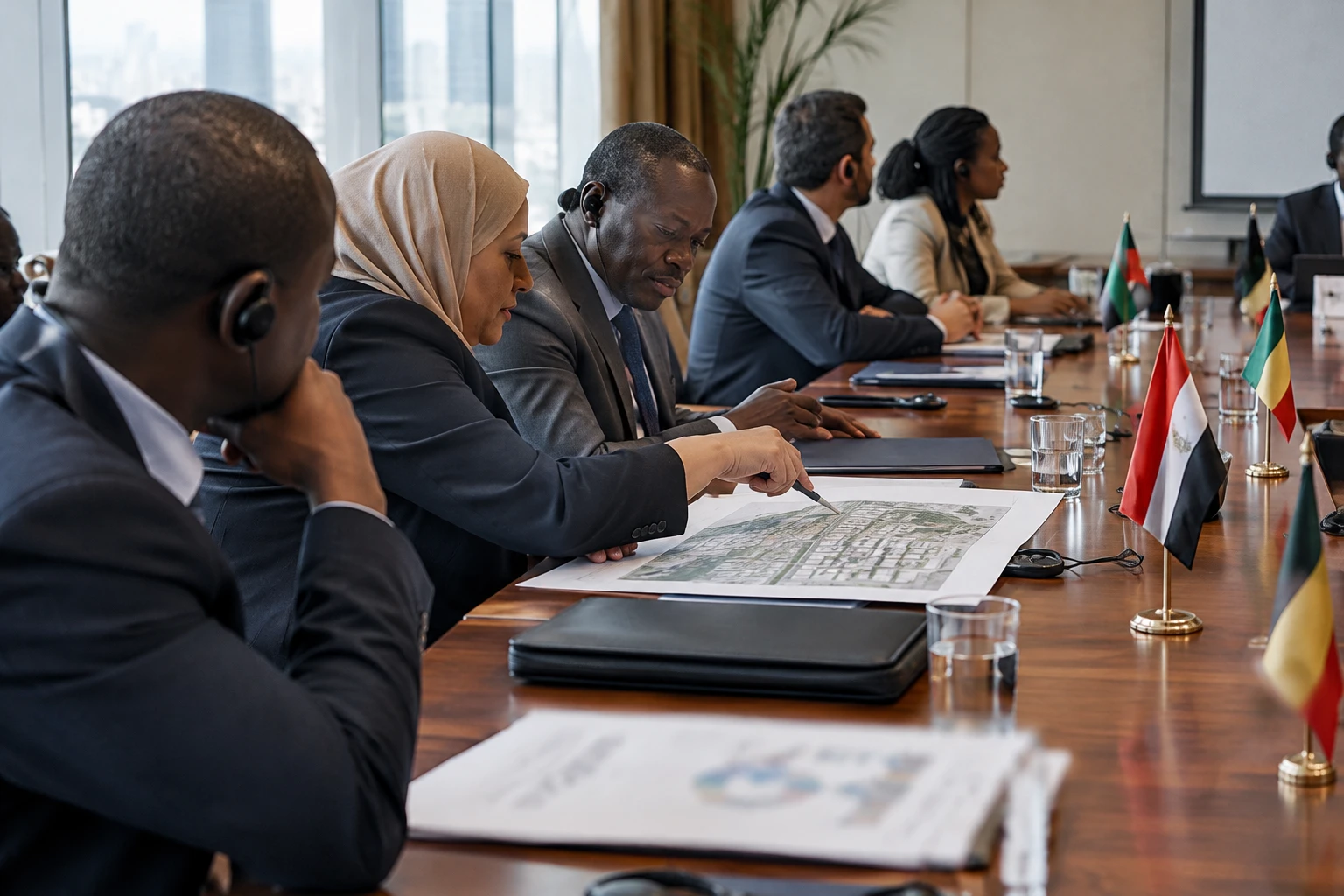
East of Cairo, near Alexandria and on the Mediterranean coast, Egypt wants to foster new urban and economic hubs. But behind the investment announcements, one question remains: will these projects create jobs and affordable homes, or mainly new property destinations?
Private partnership at the heart of urban expansion
On 20 October 2026, on the sidelines of Egypt Forum 2026, the Egyptian state and developer Talaat Moustafa Group (TMG) announced an agreement covering four mixed-use projects. President Abdel Fattah al-Sisi attended the announcement. Prime Minister Mostafa Madbouly presented the target investment as an amount to be deployed over the life of the projects, rather than an immediate payment.
The figure put forward is 11 trillion Egyptian pounds, or about $202 billion according to estimates reported. The projects would cover more than 37 million square metres. The authorities and the group forecast up to six million direct and indirect jobs and 2.4 trillion pounds in tax revenue. These are projections announced by the developers and the government, not results already achieved. Coverage by Ahram Online and Egypt Today corroborates the main figures and the general scope of the announcements. However, detailed amounts and some areas differ slightly between reports.
The first development, North Madinaty, is planned to cover five million square metres east of Cairo, between the Suez Road and the existing Madinaty district. The target investment is 3.2 trillion pounds. In Alexandria, an urban development covering 11.3 million square metres is valued at 1.7 trillion pounds. Near the new port of Abu Qir, an industrial, logistics, real estate and tourism complex is the largest project, with 5 trillion pounds announced. Finally, the North Coast is to host a tourism destination covering 10.4 million square metres, estimated at 970 billion pounds.
Separately, al-Sisi has called for the construction of 200,000 rental homes. According to Ahram Online, the state and the Tahya Misr Fund are each to finance half of the programme. This announcement distinguishes rental housing from large commercial real estate projects, but does not yet specify rents, beneficiaries or delivery dates.
Building beyond Cairo without leaving services behind
The new cities policy responds to the heavy concentration of the population and economic activity in the Nile Valley and around Cairo. For several years, the authorities have sought to expand urban areas, attract businesses to new hubs and protect agricultural land. The New Administrative Capital, east of Cairo, is the most visible example of this strategy, which forms part of Egypt Vision 2030.
The government says it has built 1.96 million homes since 2014, more than one million of them for low- and middle-income households, according to the State Information Service. This official figure indicates the scale of the programmes, but does not by itself show how many homes are occupied, affordable or close to jobs and transport. A new city is more than buildings: it also depends on access to water, sanitation, schools, healthcare and daily transport.
The public-private partnership model enables the government to mobilise companies to develop land and infrastructure. Madbouly has also argued that revenue from the projects could fund public programmes such as social housing, roads and the Haya Karima rural initiative. For public finances, the challenge is to turn land value into sustainable revenue. For residents, the test will be more tangible: jobs actually created, services available and the cost of accessing housing.
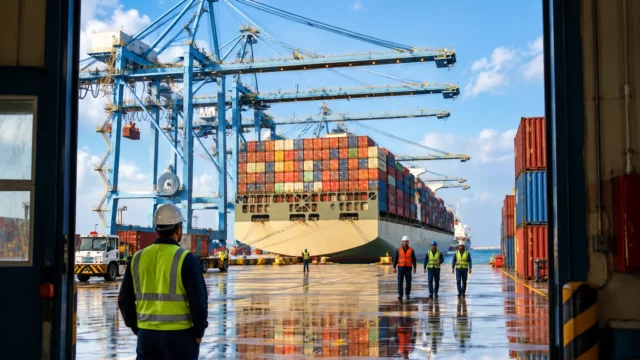
The effects will vary across regions. Abu Qir port activities could link production, storage and exports. Alexandria, already a major port city, could benefit from investment, but also face increased pressure on land and infrastructure. Tourism projects on the North Coast could support jobs and local businesses, while their benefits will depend on seasonality and workers’ access to housing. In the new districts east of Cairo, proximity to jobs and transport will determine whether residents can live there day to day, beyond buying property.
Announcements to be assessed over time
This agreement builds on an established relationship between TMG and the state. In April 2026, the group unveiled The Spine, a new city project east of Cairo estimated at 1.4 trillion pounds. The proliferation of these ventures strengthens the role of major developers in shaping the country. It also raises the question of how to balance private investment, public planning and the needs of households unable to access the high-end property market.
At the regional level, the Abu Qir and Mediterranean projects are part of competition to attract industrial, logistics and tourism activity. Their reach will depend in particular on port links, infrastructure and the ability to produce for neighbouring markets. For Egypt, a North African country and member of the African Union, these choices intersect with continental challenges: rapid urbanisation, job creation and infrastructure financing without weakening public services.
The next steps to watch will be the signing and detailed implementation of the agreements, construction timelines and the terms of the rental programme. Announced investment must also be distinguished from capital actually committed, and projected jobs from positions genuinely created. By this measure, the contribution of the new hubs to Egyptians’ lives will be judged, beyond their scale on paper.