Algeria
 Egypt
 Libya
 Morocco
 Sudan
 Tunisia
 Benin
 Burkina Faso
 Cabo Verde
 Ghana
 Guinea
 Guinea-Bissau
 Liberia
 Mali
 Mauritania
 Niger
 Nigeria
 Senegal
 Sierra Leone
 The Gambia
 Togo
 Cameroon
 Central African Republic
 Chad
 DR Congo
 Equatorial Guinea
 Gabon
 Republic of the Congo
 São Tomé and Príncipe
 Burundi
 Comoros
 Djibouti
 Eritrea
 Ethiopia
 Kenya
 Madagascar
 Malawi
 Mauritius
 Mozambique
 Rwanda
 Seychelles
 Somalia
 South Sudan
 Tanzania
 Uganda
 Angola
 Botswana
 Eswatini
 Lesotho
 Namibia
 South Africa
 Zambia
 Zimbabwe
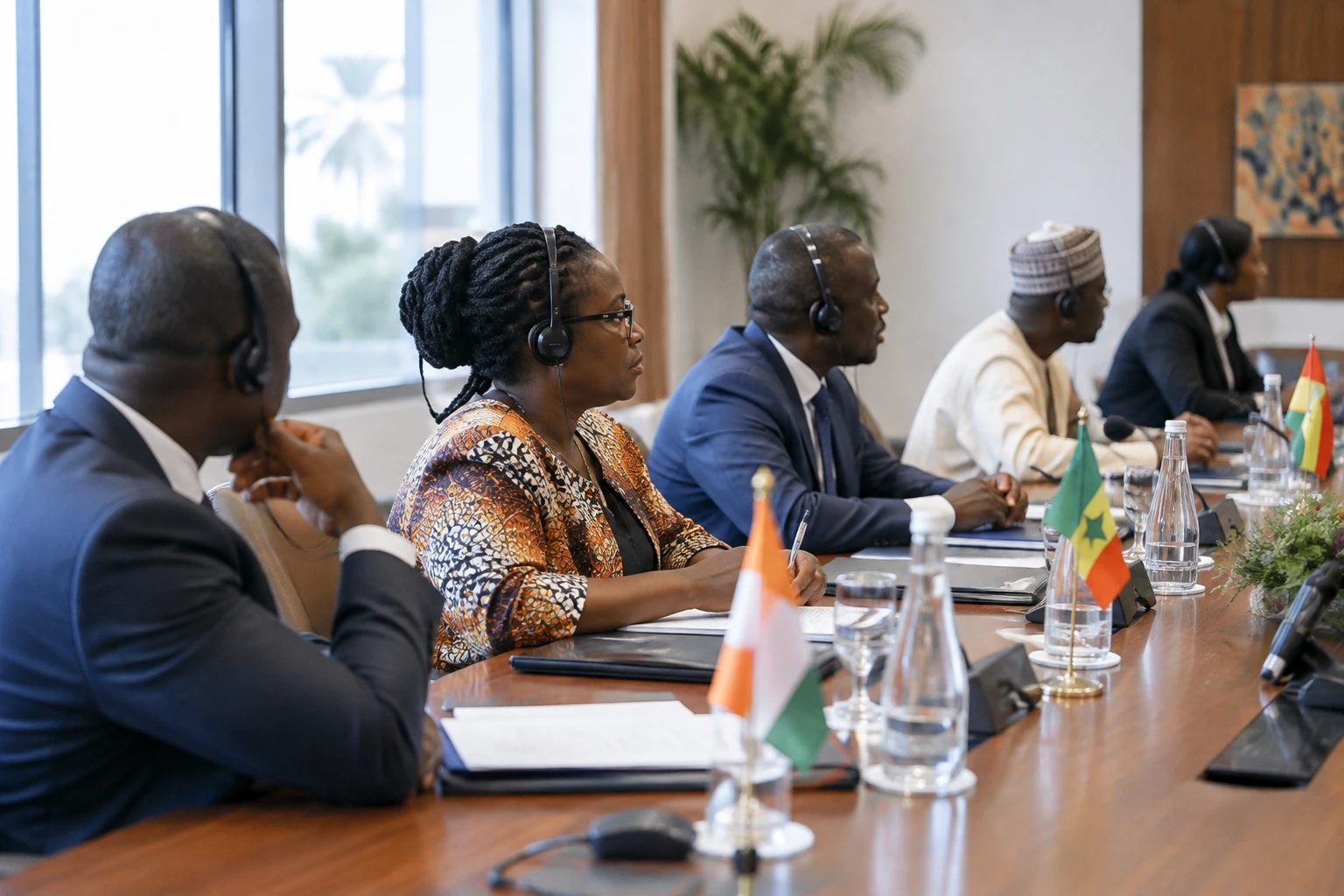
Days before a national election, a gendarmerie patrol was targeted near Agboville. A year later, twelve people are facing prosecution in the case. The proceedings must establish individual responsibility amid a climate in which security and political dissent remain closely linked.
An investigation reaches a turning point a year after the shooting
On 20 October 2025, five days before Côte d’Ivoire’s presidential election, armed men opened fire on a patrol near Grand Yapo, on the road linking Agboville and Azaguié. Second Lieutenant Daniogo Klênon Lacina was fatally shot. The gendarmerie said at the time that the incident occurred during a security operation. The Ivorian Press Agency reported the gendarmerie’s initial account.
The public prosecutor at the Abidjan Court of First Instance says the investigation led to the arrest of several people. According to a statement dated 20 October 2026, the suspect identified as the shooter, AKE Jean Marius, allegedly admitted opening fire with a Kalashnikov-type weapon. This statement is attributed to the prosecution and will be examined as part of the judicial proceedings.
Eleven other people were sent with him to the anti-terrorism section of the Abidjan court. A judicial investigation was opened and all twelve were remanded in custody. The charges listed include murder, terrorist acts, an attack on state authority and participation in an insurrectionary movement. At this stage, these are charges, not findings of guilt.
The 2025 election as a tense political backdrop
The attack took place during a sensitive period. The presidential election of 25 October 2025 was held amid significant political tensions and disagreements over electoral competition. Provisional results published by the Independent Electoral Commission gave Alassane Ouattara 89.77% of the vote. This figure indicates the outcome of the election, but does not in itself capture the disputes and debates surrounding it.
The National Security Council subsequently reported eleven deaths and 71 injuries during unrest linked to the election. This official toll, reported by Ivorian media, includes the officer killed in Agboville. This nationwide count should be distinguished from the judicial investigation into this specific attack, which concerns the acts and responsibilities of those facing prosecution.
In the Agneby-Tiassa region, the consequences of insecurity on roads go beyond institutional concerns. Residents, transporters and traders rely on passable roads to reach markets, services and urban centres. The judicial source does not, however, specify whether those facing prosecution are linked to any particular political organisation. No such connection can therefore be asserted on the basis of the information available.
The anti-terrorism charges remain to be established in court
The prosecution has brought several charges, including terrorist acts and an attack on state authority. These charges identify the offences that the investigation intends to put before the courts. They do not prejudge the final decision. The investigation will examine, in particular, the physical evidence, the roles attributed to each person and the circumstances surrounding the gendarme’s death.
The anti-terrorism section is handling the case within a specialised framework. The involvement of this court does not, however, in itself establish the definitive nature of the acts. The presumption of innocence applies to all twelve people unless and until a final judicial decision is issued.
The case also highlights a delicate balance for the Ivorian authorities: protecting officers and the public while ensuring adversarial proceedings. Public details about the evidence against the suspects, any defences and the judicial timetable remain limited. The next stages of the investigation should provide a clearer picture of the degree of involvement attributed to each person charged.
A test of trust beyond Côte d’Ivoire
Côte d’Ivoire plays an important role in West Africa and is a member of ECOWAS, a regional organisation for political and economic co-operation. Electoral tensions and security responses are being watched in a region where several states face political transitions or security challenges. This does not make the situations equivalent: the Agboville case falls first and foremost under Ivorian justice and concerns its own specific facts.
For citizens, the immediate stakes are twofold: that the violence is investigated rigorously and that responsibility is established individually. For the state, the conduct of the proceedings will affect trust in institutions after a disputed election period. The next development to watch is progress in the judicial investigation and how the charges are examined before the competent courts.