Algeria
 Egypt
 Libya
 Morocco
 Sudan
 Tunisia
 Benin
 Burkina Faso
 Cabo Verde
 Côte d'Ivoire
 Ghana
 Guinea
 Guinea-Bissau
 Liberia
 Mali
 Mauritania
 Niger
 Nigeria
 Sierra Leone
 The Gambia
 Togo
 Cameroon
 Central African Republic
 Chad
 DR Congo
 Equatorial Guinea
 Gabon
 Republic of the Congo
 São Tomé and Príncipe
 Burundi
 Comoros
 Djibouti
 Eritrea
 Ethiopia
 Kenya
 Madagascar
 Malawi
 Mauritius
 Mozambique
 Rwanda
 Seychelles
 Somalia
 South Sudan
 Tanzania
 Uganda
 Angola
 Botswana
 Eswatini
 Lesotho
 Namibia
 South Africa
 Zambia
 Zimbabwe
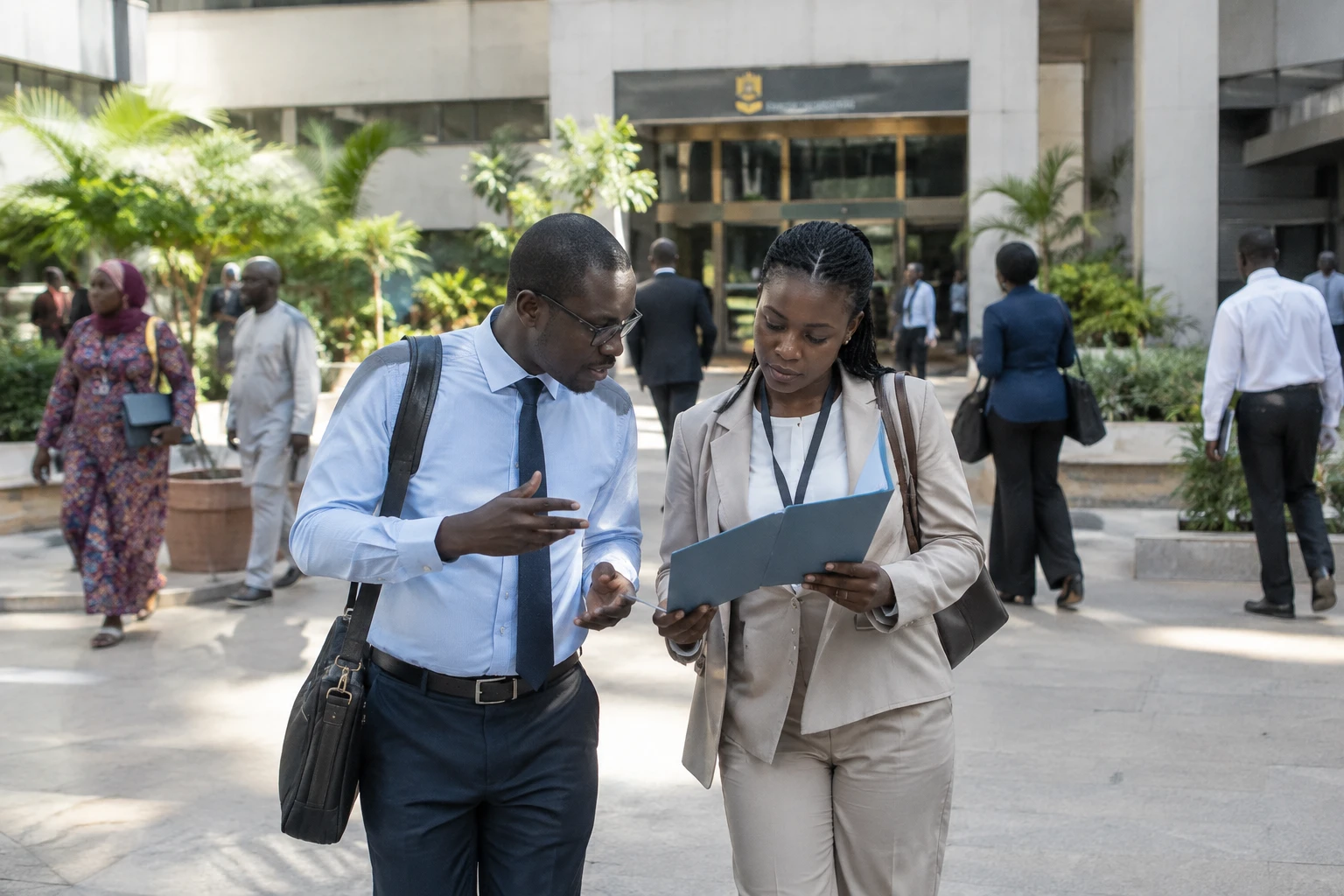
In Senegal, budgetary trade-offs directly affect the cost of travel and freight transport. The disagreement over the supplementary finance bill thus highlights a practical question: how can the deficit be reduced without shifting a heavier share of the adjustment onto households and businesses?
A budget under debt pressure
The debate comes amid severe constraints on Senegal’s public finances. An audit of the state accounts uncovered borrowing and deficits that had previously been under-reported. In March 2025, the International Monetary Fund (IMF) estimated that unrecorded loans amounted to 25.3 percentage points of GDP and that central government debt stood at 105.7% of GDP at the end of 2024. These estimates depend on the scope used: the IMF later assessed total public debt at 132% of GDP for the same period.
The accounts revision complicated discussions with the Fund on a new financing programme. It also left the government facing difficult choices: raise revenue, control spending and service the debt while preserving economic activity and household incomes. The figure of 7.6% of GDP cited in the draft is a deficit forecast, not a final measure of the accounts as executed.
Against this backdrop, the government presented a draft supplementary finance bill for 2026. A supplementary budget law allows revenue and spending approved in the initial budget to be adjusted during the year. The bill, submitted to the National Assembly in September, includes a cut to the allocation for subsidies on petroleum products.
Disagreement centres on fuel costs
On 19 October in Dakar, Ousmane Sonko said Pastef MPs would not vote for the bill in its current form. He nevertheless left the door open to an agreement: “For now, we are rejecting nothing and approving nothing,” he said, according to accounts of his press conference. He called for a debate with the government rather than an immediate rejection.
The main point of friction is the amount of public support for petroleum products. According to figures presented by Sonko and reported by several Senegalese media outlets, the allocation would fall from 790 billion to 552 billion CFA francs, a reduction of about 30%. He estimates that this could push the price of a litre of diesel from 755 to nearly 867 CFA francs. These figures are projections he attributed to the bill and its consequences; they do not, in themselves, represent a decision already implemented at the pump.
The government’s reasoning and Sonko’s criticism converge on one point: subsidies weigh on the budget. But they differ over the pace and distribution of the burden. For the former prime minister, reducing fuel support risks driving up transport costs and the costs of doing business. This increase could feed through into the prices of goods, particularly when their delivery depends on road transport.
A parliamentary majority, but disputed trade-offs
The disagreement is also institutional. Pastef holds 130 of the National Assembly’s 165 seats, according to the results of the November 2024 legislative elections. The parliamentary majority can therefore exert considerable influence over the bill. Sonko, now president of the Assembly and leader of the party, has voiced political reservations; this does not mean the bill has already been rejected or that the vote is decided.
This configuration gives the budget debate a particular dimension. The confrontation is not only between the majority and the opposition: it also runs through the institutions established under the government elected in 2024. The bill will be examined under parliamentary procedure, with exchanges between MPs and the government led by Ahmadou Al Aminou Lô. Amendments, the timetable for consideration and the executive’s responses will be decisive in determining the outcome.
The effects of cuts to subsidies would not be the same for everyone. Households that use little fuel may be affected indirectly if transport costs are passed on in the prices of goods. Transport operators, traders and businesses using vehicles or generators may face a more direct increase in their costs. Conversely, maintaining subsidies ties up public resources that cannot be allocated to other spending.
The central question, therefore, is how support is targeted. General fuel subsidies benefit consumers, but some of the cost also goes to those who consume more. Targeted aid or compensation measures may better protect certain households, but implementing them requires reliable criteria and accessible systems. Public debate will need to clarify whether the bill provides for such alternatives and how they would be funded.
An issue under scrutiny across the region
The Senegalese case is being watched across the Economic Community of West African States (ECOWAS), whose member countries face, to varying degrees, the trade-offs between controlling public finances, energy costs and protecting purchasing power. There is no single solution, however: budgets, energy resources and support mechanisms differ from country to country.
For Senegal, what happens next will depend on the final text, the parliamentary debate and discussions with the IMF on restoring order to the accounts. The vote will show whether the majority turns its reservations into amendments or maintains its opposition. The actual movement in prices and any compensation measures announced by the authorities will also need to be monitored. The balance sought between reducing the deficit and protecting everyday economic activity will be measured by these concrete decisions.