
 Algeria
 Egypt
 Libya
 Morocco
 Sudan
 Tunisia
 Benin
 Burkina Faso
 Cabo Verde
 Ghana
 Guinea
 Guinea-Bissau
 Liberia
 Mali
 Mauritania
 Niger
 Nigeria
 Senegal
 Sierra Leone
 The Gambia
 Togo
 Cameroon
 Central African Republic
 Chad
 DR Congo
 Equatorial Guinea
 Gabon
 Republic of the Congo
 São Tomé and Príncipe
 Burundi
 Comoros
 Djibouti
 Eritrea
 Ethiopia
 Kenya
 Madagascar
 Malawi
 Mauritius
 Mozambique
 Rwanda
 Seychelles
 Somalia
 South Sudan
 Tanzania
 Uganda
 Angola
 Botswana
 Eswatini
 Lesotho
 Namibia
 South Africa
 Zambia
 Zimbabwe
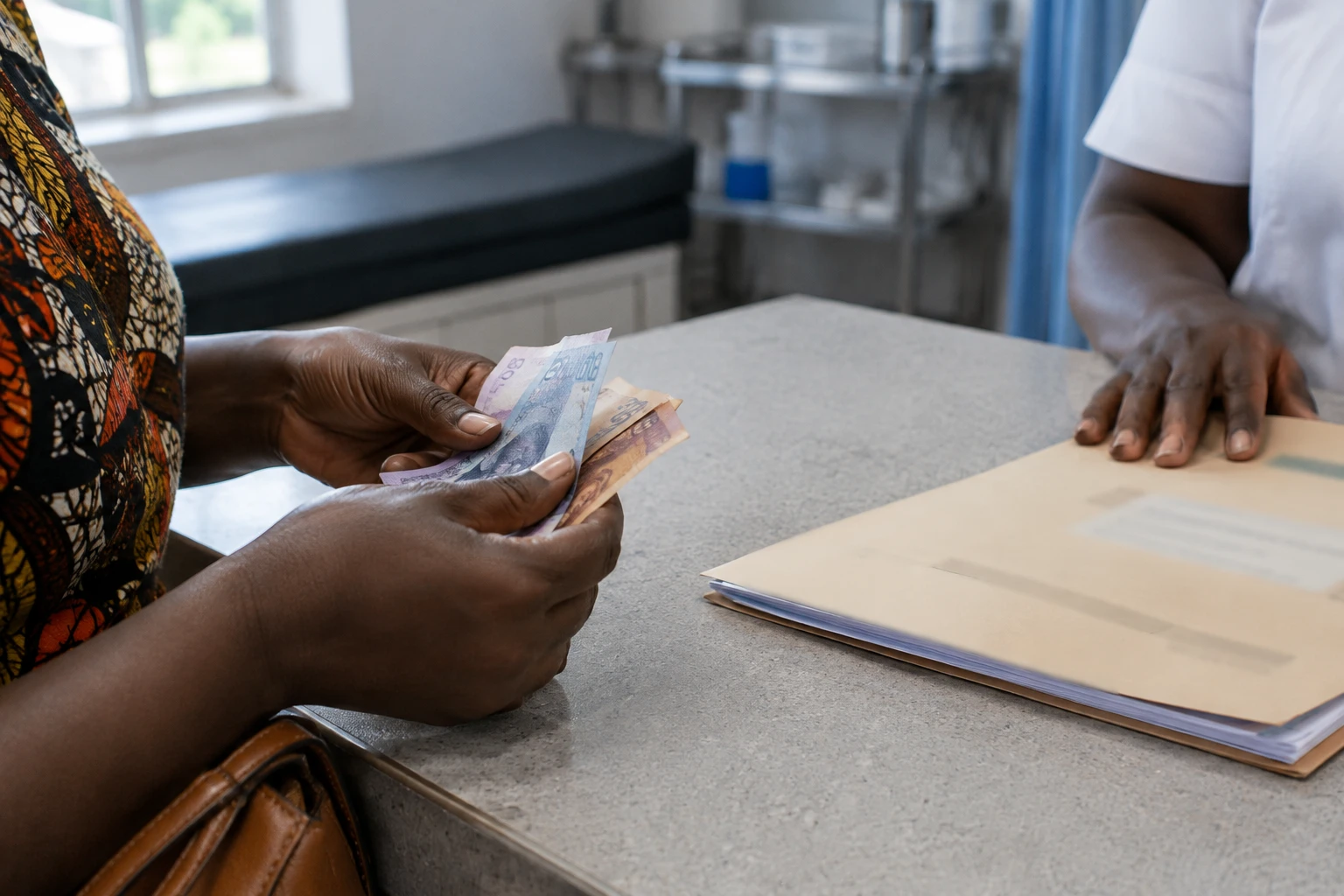
A screening campaign does not end on the day examinations are offered. For women living far from Abidjan, the challenge is also to confirm a result, see a specialist and continue treatment without cost or distance becoming an obstacle.
Figures that show the scale of the challenge
In Côte d’Ivoire, GLOBOCAN 2024 estimates attribute 4,845 new cases and 2,284 deaths recorded in 2024 to breast cancer. The National Cancer Control Programme (PNLCa) shared these figures in July. Breast cancer is the most common cancer among Ivorian women, ahead of cervical cancer, estimated at 2,540 new cases.
The total number of cancers in the country is estimated at 20,402 new cases and 12,710 deaths over the same period, according to figures presented by the PNLCa. These numbers are estimates produced from available data and statistical models. They are not an exhaustive count of every individual diagnosis.
Comparisons with the GLOBOCAN 2022 edition require the same caution. That edition estimated 3,869 breast cancer cases. The difference between the two editions does not, by itself, prove a real increase over two years: data and estimation methods may change.
These indicators nevertheless give a sense of the work to be done. On their own, they do not show how many women were able to obtain a confirmed diagnosis promptly, or how many completed their treatment.
Campaigns beyond Abidjan
Since 1st October, associations, public services and professional organisations have been organising awareness-raising and screening sessions. In Abidjan-Plateau, the Coalition of Organisations Against Cancer in Côte d’Ivoire (COLCC) launched its campaign with the PNLCa. Its president, Fatou Fadika Coulibaly, stressed that prevention should not be limited to one month.
The Rotary Club Abidjan Akwaba and partner clubs have announced an initiative in three inland cities. Their aim is to offer free screening to 6,000 women in Béoumi, Agnibilékrou and Agboville, and raise awareness among 15,000 people. The appointments are scheduled for 10, 17 and 24 October respectively.
In M’Brimbo, in the commune of Tiassalé, the NGO Cœur Glorieux organised a screening day on 3 October. The Ivorian Press Agency reports that 236 women were examined. Further initiatives have been announced in inland communities and in Abidjan, including efforts to reach women workers who rarely visit healthcare facilities.
This presence outside major centres matters. An examination can cost time and travel expenses, particularly when specialist services are far from home or work. But an abnormality detected during a campaign is only the first step: the diagnosis must then be confirmed and the patient referred for appropriate care.
A mobile unit is useful if it is part of a lasting effort
On 18 March 2026, the Ministry of Health received a mobile mammography unit, nicknamed the “mammomobile”, in Treichville. Equipped with a mammography machine and an ultrasound scanner, it is intended to bring examinations closer to people far from specialist centres. The ministry says the acquisition is part of its strategy to provide local healthcare.
An equipped vehicle alone cannot guarantee continued access. Its usefulness will depend on its travel schedule, available teams, maintenance and the ability of health facilities to receive women who need further tests. Access to mammography can have a lasting impact only if the subsequent steps are also organised.
Health professionals distinguish screening, offered to people without symptoms, from early diagnosis, which aims to investigate an abnormality that has already been noticed without delay. The World Health Organization advocates an approach rooted in primary healthcare: frontline facilities can receive, assess and refer patients, including in areas where a large-scale mammography programme is difficult to deploy.
The PNLCa’s coordinating director, Professor Innocent Adoubi, has urged women to seek medical advice and find out which examinations are appropriate to their circumstances. Self-examination can help women notice a change, but it does not replace a medical consultation or imaging. A lump or persistent change in the breast warrants professional advice.
After diagnosis, cost remains an obstacle
Treatment may involve surgery, chemotherapy, radiotherapy, hormone therapy or targeted therapies. Transport, accommodation and lost income may add to the cost. For women without insurance, the burden also falls on relatives and can disrupt continuity of care.
Professor Adoubi estimates that only 20% of women with breast cancer have health insurance. This figure, as reported by him, highlights a central question: what proportion of costs must patients pay themselves, and what mechanisms enable them to continue their prescribed treatment? Universal health coverage exists, but its practical impact depends on which treatments are covered and the out-of-pocket costs.
Côte d’Ivoire has the Alassane Ouattara National Centre for Medical Oncology and Radiotherapy in Abidjan. The authorities have also presented the Grand-Bassam centre as a project intended to strengthen national provision. The challenge is therefore not limited to building facilities: they must be staffed, kept operational and connected to referral systems from the regions.
A national challenge with wider resonance in West Africa
The difficulties in Côte d’Ivoire are part of a regional challenge. According to GLOBOCAN 2024 estimates cited in the reference data, West Africa would have 74,734 new breast cancer cases and 35,924 deaths. These estimates point to the need to strengthen care pathways, without obscuring differences between countries or disparities between capitals and remote areas.
The WHO Global Breast Cancer Initiative sets three benchmarks: diagnose at least 60% of cancers at an early stage, confirm diagnoses within 60 days of the first consultation and enable at least 80% of patients to complete the recommended treatment. These targets focus on the entire care pathway, from the first consultation to follow-up.
For Côte d’Ivoire’s October campaigns, the number of people reached or examined will therefore provide only part of the picture. The most revealing measure will come later: how many women with an abnormality received a diagnosis promptly, and were then able to access the care they needed?



