
 Algeria
 Egypt
 Libya
 Morocco
 Sudan
 Tunisia
 Benin
 Burkina Faso
 Cabo Verde
 Côte d'Ivoire
 Ghana
 Guinea
 Guinea-Bissau
 Liberia
 Mali
 Mauritania
 Niger
 Nigeria
 Senegal
 Sierra Leone
 The Gambia
 Togo
 Cameroon
 Central African Republic
 Chad
 Equatorial Guinea
 Gabon
 Republic of the Congo
 São Tomé and Príncipe
 Burundi
 Comoros
 Djibouti
 Eritrea
 Ethiopia
 Kenya
 Madagascar
 Malawi
 Mauritius
 Mozambique
 Rwanda
 Seychelles
 Somalia
 South Sudan
 Tanzania
 Uganda
 Angola
 Botswana
 Eswatini
 Lesotho
 Namibia
 South Africa
 Zambia
 Zimbabwe
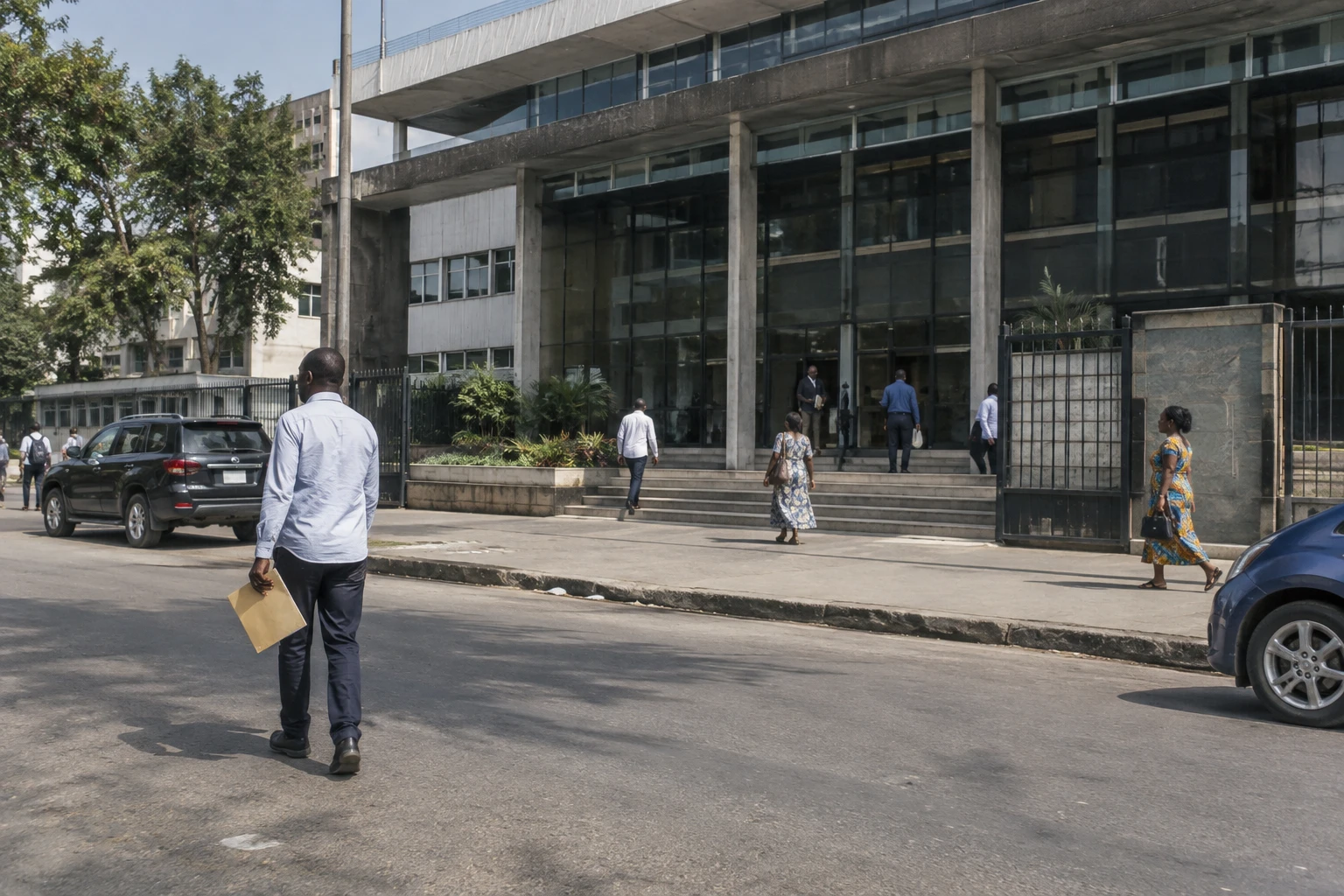
Three days in detention in Kinshasa are enough to revive a delicate question: how far can suspicions linked to crises in a neighbouring country affect the safety of a refugee living in the Democratic Republic of the Congo? In Kévin Bozizé’s case, the available facts are based mainly on his own account. Congolese authorities have not publicly set out the reasons for his detention.
An arrest recounted by the man himself
Kévin Bozizé says he was arrested on Friday 2 October 2026, at around 10am, near the Batéké plateaux, in the N’sele municipality of Kinshasa. Men who allegedly identified themselves as military intelligence agents are said to have taken him to a camp for questioning.
The questions reportedly concerned a possible association seeking to prepare a coup in the Central African Republic. Bozizé rejects the suspicions, describing them as “far-fetched”. He says he was then transferred to the premises of the police’s general intelligence service, where he allegedly spent three nights.
He was released on Monday 5 October, according to reports by Rwandan media outlet RadioTV10 on his arrest in Kinshasa and Congolese outlet Congovirtuel Info. These publications, however, largely repeat an account attributed to Bozizé himself. In the absence of an accessible official statement from the Congolese authorities, the precise circumstances and reasons for his release have not been independently established.
Kévin Bozizé says the United Nations High Commissioner for Refugees (UNHCR) and the National Commission for Refugees (CNR) intervened. UNHCR and the Congolese authorities have not publicly commented on the case in the information reviewed. After his release, he said he feared for his safety and was considering seeking asylum in a country far from the Central African Republic.
Two family trajectories, a tense Central African context
Kévin’s father, François Bozizé, led the Central African Republic before being ousted in 2013. He lives in exile in Guinea-Bissau. In 2024, the Central African Special Criminal Court issued an international arrest warrant for him over alleged crimes committed between 2009 and 2013. This case concerns the former president and does not constitute an accusation against Kévin Bozizé.
The family remains associated with periods of conflict that have marked the Central African Republic. In 2020, François Bozizé was linked to a rebel coalition opposed to the government of Faustin-Archange Touadéra. His son Jean-Francis, unlike Kévin, is wanted by Central African authorities for his alleged role in the rebellion. This background helps explain the sensitivity of the suspicions raised in Kinshasa, but does not establish that they are well founded.
Available accounts also differ on the precise nature of the suspicions. Some refer to an attempted coup; others report that Kévin was suspected of meeting former Central African army officers. His associates deny the latter allegation. In the absence of a detailed official account, these accusations must be distinguished from established facts.
Refugee protection tested by security imperatives
The DRC hosts refugees from several neighbouring countries, including the Central African Republic. For those concerned, this presence is not confined to camps: refugees also live in urban areas, where their safety and administrative procedures depend on daily interactions with public services.
The DRC’s 2002 law on refugee status gives the CNR a central role in examining asylum applications. UNHCR works with the institution to support the process and protect the people concerned. The framework is therefore in place; the challenge is also to ensure that security concerns are assessed on the basis of specific evidence, with safeguards suited to the person’s status.
In this case, the lack of a public explanation makes it impossible to know whether the arrest led to formal proceedings, whether charges were brought or whether no further action was taken. This gap leaves the individual and refugees watching how the authorities handle politically sensitive cases in a state of uncertainty.
A bilateral case with regional implications
Kinshasa and Bangui share a border and face cross-border security challenges. The movement of people, ties among former military officials and political tensions in the Central African Republic may therefore be of interest to the services of both countries. But suspicion is not proof, and a refugee’s family background cannot, on its own, establish responsibility.
For the DRC, the case involves two imperatives: preventing possible armed activity on its territory and respecting the guarantees owed to refugees. For Central Africans living in the country, how the case is clarified will matter more than speculation about Kévin Bozizé’s intentions. At this stage, no public evidence allows the conclusion that he was preparing to overthrow the government in Bangui.
What happens next will depend on any statements from the Congolese authorities, the CNR or UNHCR, as well as verifiable information about the reasons for the arrest. Until then, the dates of detention and the accusations must remain attributed to Kévin Bozizé’s account and the media that reported it, rather than being presented as judicial findings.



