
 Algeria
 Egypt
 Libya
 Morocco
 Sudan
 Tunisia
 Benin
 Burkina Faso
 Cabo Verde
 Côte d'Ivoire
 Ghana
 Guinea
 Guinea-Bissau
 Liberia
 Mali
 Mauritania
 Niger
 Nigeria
 Senegal
 Sierra Leone
 The Gambia
 Togo
 Cameroon
 Central African Republic
 Chad
 Equatorial Guinea
 Gabon
 Republic of the Congo
 São Tomé and Príncipe
 Burundi
 Comoros
 Djibouti
 Eritrea
 Ethiopia
 Kenya
 Madagascar
 Malawi
 Mauritius
 Mozambique
 Rwanda
 Seychelles
 Somalia
 South Sudan
 Tanzania
 Uganda
 Angola
 Botswana
 Eswatini
 Lesotho
 Namibia
 South Africa
 Zambia
 Zimbabwe
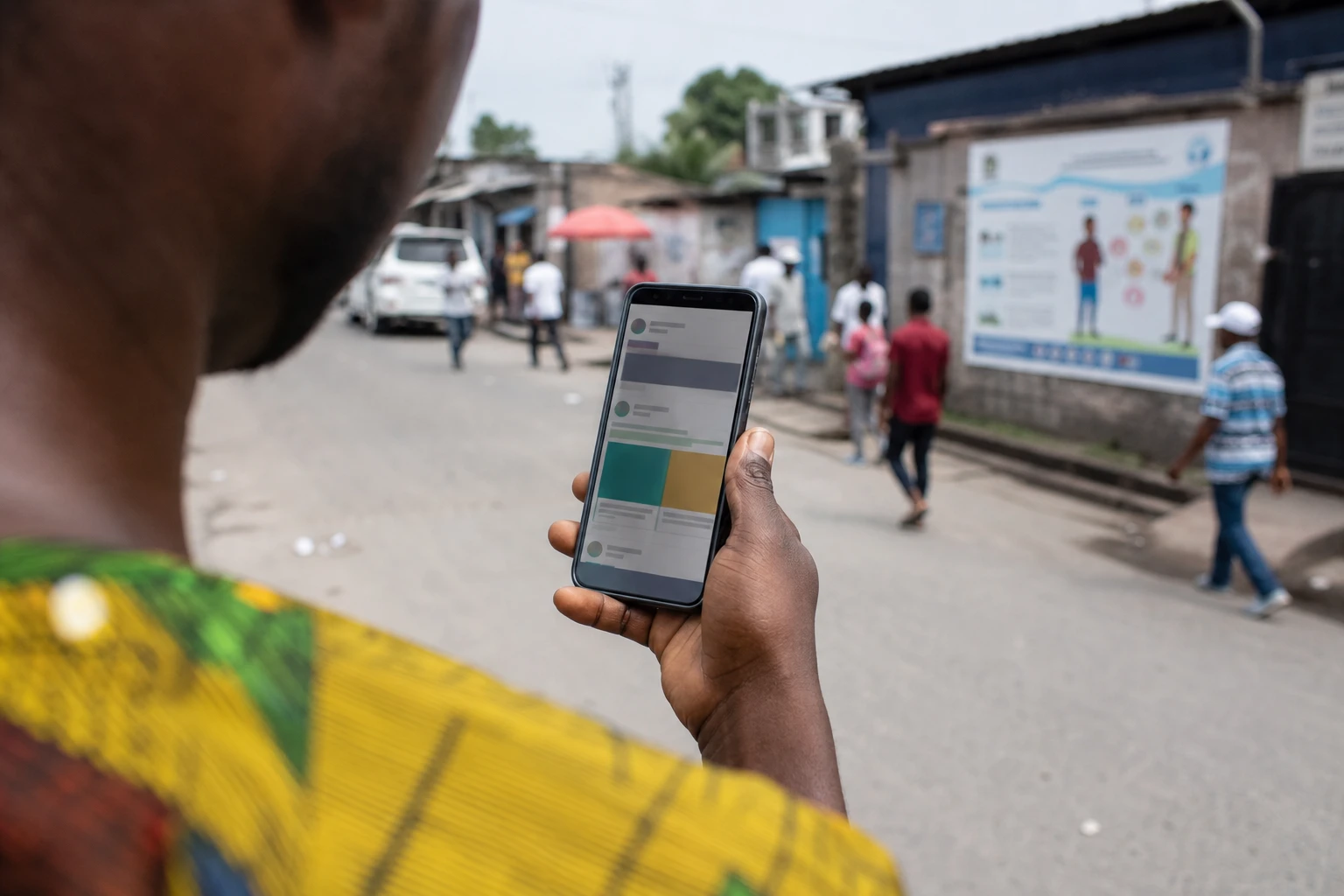
In Kinshasa, the Ebola response is now seeking to gain ground on a decisive front: trust. In neighbourhoods, places of worship, schools and networks of believers, religious leaders can speed the spread of reliable information, while also helping to ease the fear that sometimes delays people seeking care.
A health crisis extending beyond treatment centres
On Thursday 1 October 2026, representatives of the main religious denominations in the Democratic Republic of the Congo met at the Caritas Welcome Centre in Kinshasa. The meeting focused on their contribution to the prevention of and response to Ebola virus disease.
The initiative, organised by Caritas Congo and the National Episcopal Conference of Congo, comes as the country faces its 17th epidemic. Health authorities have reported more than 8,000 confirmed cases and more than 4,000 deaths. The figures remain tied to the data available in areas monitored by health services.
Figures reported by several consistent sources indicate 8,300 confirmed cases and 4,018 deaths. The gravity of the situation is also due to the virus’s geographical spread and difficulties accessing some communities. In several areas, insecurity, remoteness and mistrust are complicating the work of medical teams.
This outbreak is unlike previous epidemics that have affected the east of the country. The Democratic Republic of the Congo had already experienced a major crisis between 2018 and 2020, mainly in North Kivu and Ituri. That epidemic caused more than 3,400 cases and more than 2,200 deaths, according to World Health Organization data.
Religious communities as local networks
For the round-table organisers, the response cannot remain concentrated in treatment centres, laboratories and administrative offices. It must also draw on actors already present in people’s daily lives.
The Catholic and Protestant churches, the Kimbanguist Church and Muslim communities have networks established in many provinces. These networks include parishes, schools, health facilities, youth associations and women’s groups. They provide regular points of contact with families.
Bishop Donatien Nshole, secretary-general of the CENCO, called on religious leaders to set aside their doctrinal differences to protect the population. He particularly advocated joint mobilisation around prevention, awareness-raising and the fight against misinformation.
The role expected of them is practical. It involves explaining how the virus is transmitted, encouraging the prompt reporting of symptoms and stressing the importance of contact tracing. Religious leaders can also help ensure preventive measures are observed at gatherings and support families affected by the disease.
However, their intervention must be coordinated with the health authorities. A religious message is no substitute for a diagnosis, medical care or epidemiological surveillance procedures. It can, however, help secure acceptance of these measures when they are explained in accessible language by people known locally.
Rumours, stigma and public trust
During Ebola epidemics, mistrust can have direct consequences. A sick person who stays at home, a family that conceals a death or relatives who refuse medical follow-up can delay the identification of cases and lead to further transmission.
Stigma creates another difficulty. Survivors, bereaved families and health workers may be shunned or wrongly blamed. This social pressure leaves those affected more vulnerable and makes them less able to ask for help.
The response therefore depends on regular, transparent communication adapted to local realities. It also requires listening to residents’ concerns. A prevention campaign that ignores funeral practices, economic constraints or past experiences risks producing the opposite of its intended effect.
Religious denominations have been invited to define joint actions, with clear responsibilities, a timetable and monitoring mechanisms. This approach should make it possible to measure results on the ground, rather than limiting mobilisation to public statements.
Caritas Congo is already drawing on experience gained during previous outbreaks. In 2019, the organisation supported the establishment of community outreach units in health zones in North Kivu and Ituri. Round tables bringing together religious leaders were also held in Bukavu, Butembo, Goma and Bunia.
A challenge for Tshopo and Central Africa
The new mobilisation must now have an impact beyond Kinshasa. Meetings are planned in Bunia, in Ituri, and then in Beni, in the east of the Democratic Republic of the Congo. These areas face intense health pressures, population displacement and security challenges.
The situation also concerns the wider region. Tshopo, where Kisangani is located, is linked to other Congolese provinces by trade and migration flows. The movement of people can accelerate the spread of a disease when surveillance and referral of cases remain inadequate.
Coordination with neighbouring countries and African public health networks therefore remains essential. The Economic Community of Central African States, which brings together several countries in the subregion, can provide a framework for cooperation, even though the operational management of the epidemic falls primarily to the Congolese authorities.
The meeting in Kinshasa is not a solution in itself. It nevertheless opens up important work: bringing the response closer to communities, restoring trust and making religious leaders identifiable partners in public health. The next step will be to establish, in Bunia, Beni and affected areas, whether these commitments lead to better case detection and fewer refusals of care.



