Algeria
 Egypt
 Libya
 Morocco
 Sudan
 Tunisia
 Benin
 Burkina Faso
 Cabo Verde
 Côte d'Ivoire
 Ghana
 Guinea
 Guinea-Bissau
 Liberia
 Mali
 Mauritania
 Niger
 Nigeria
 Senegal
 Sierra Leone
 The Gambia
 Togo
 Cameroon
 Central African Republic
 Chad
 DR Congo
 Equatorial Guinea
 Gabon
 Republic of the Congo
 Burundi
 Comoros
 Djibouti
 Eritrea
 Ethiopia
 Kenya
 Madagascar
 Malawi
 Mauritius
 Mozambique
 Rwanda
 Seychelles
 Somalia
 South Sudan
 Tanzania
 Uganda
 Angola
 Botswana
 Eswatini
 Lesotho
 Namibia
 South Africa
 Zambia
 Zimbabwe
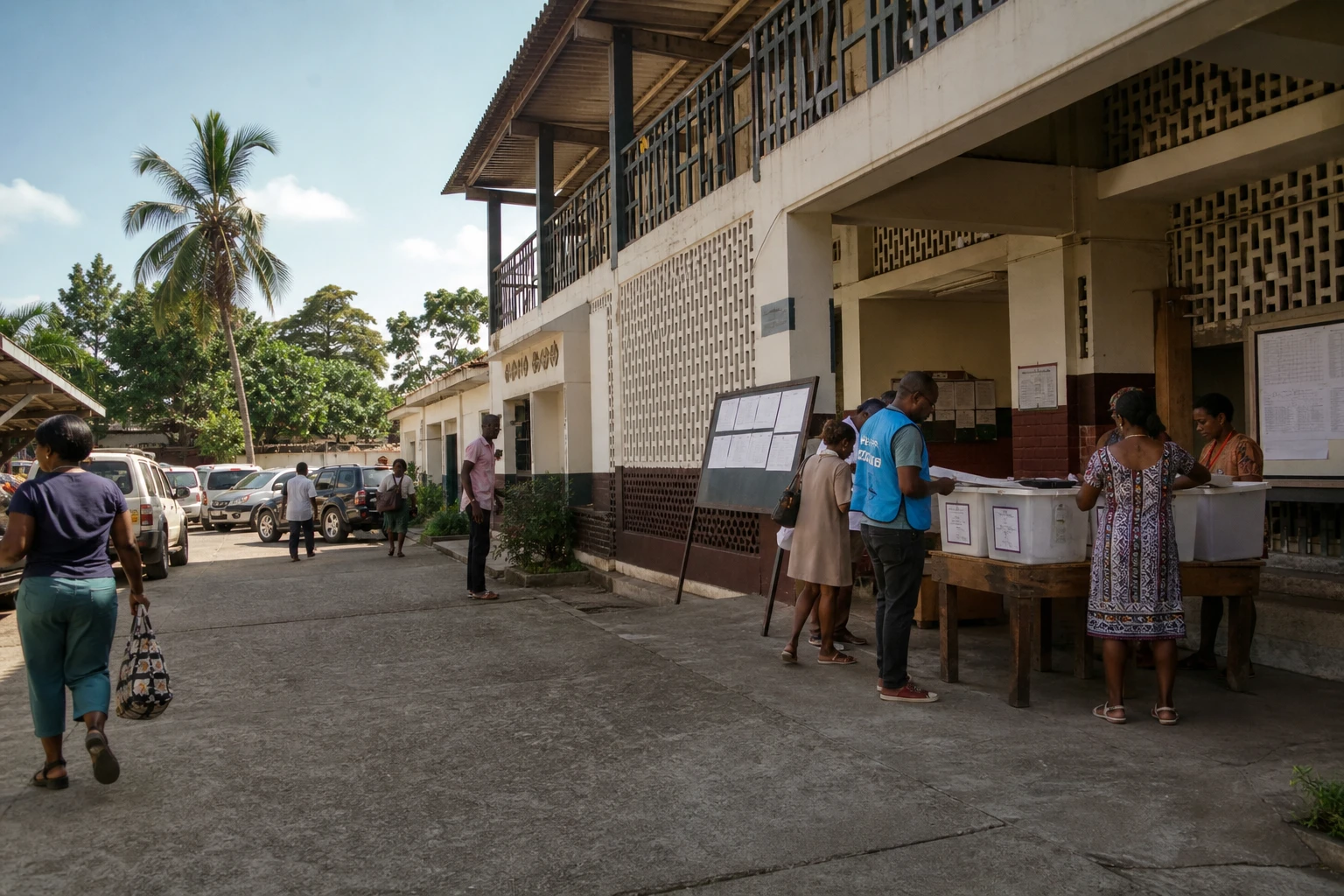
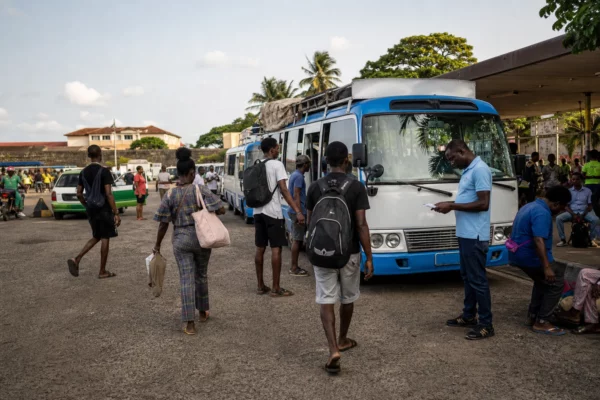
In São Tomé, election day on Sunday 27 September 2026 passed in a calm atmosphere. But behind the capital’s quiet streets, the vote opens a decisive political chapter for the archipelago. Voters cast ballots at the same time for parliament, local authorities and the regional institutions of the island of Príncipe.
A triple election in a country waiting for answers
Polling stations opened at 7am and closed at 5pm. About 142,000 voters were registered for the parliamentary, municipal and regional elections, according to figures released before the vote by the Santomean press and electoral authorities.
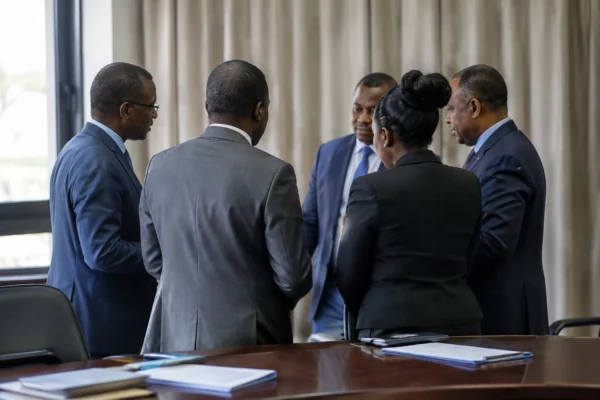
The parliamentary election is to renew all 55 seats in the National Assembly. The party or coalition that wins the most seats will be best placed to form the next government. The president of the republic will then appoint the prime minister, after consulting the forces represented in parliament.
The local vote covers the districts on the island of São Tomé. Voters choose their municipal representatives, who will then take part in selecting local executives. In Príncipe, an autonomous region in the Gulf of Guinea, the election is to renew the Regional Assembly and determine the majority that will support the next regional government.
The National Electoral Commission said voting had proceeded without any major incidents being reported. However, no official turnout figure had been made public when the count began. The first indications were expected from Monday 28 September, subject to the progress of the count and the validation of the polling-station records.
An open contest between seven political forces
Seven parties appeared on the parliamentary election ballot. They included Independent Democratic Action, known by the acronym ADI; the Movement for the Liberation of São Tomé and Príncipe – Social Democratic Party; the Movement of Independent Citizens; the Democratic Convergence Party; the Democratic Movement of the Forces of Change; and the parties Nossa Terra and Basta.
ADI, the main force in the outgoing governing majority, is seeking to retain its influence over the state apparatus. Its rival, MLSTP-PSD, hopes to win back some voters with a message focused on public services, jobs and institutional stability. The other parties could play an important role if neither bloc secures a clear majority.
The vote comes after an especially busy electoral year. Santomeans have already been called to the polls for the presidential election on 19 July 2026. That first stage was marked by high abstention, estimated at 59% in figures published after the vote. This precedent put turnout at the centre of concerns for the Electoral Commission, candidates and observers.
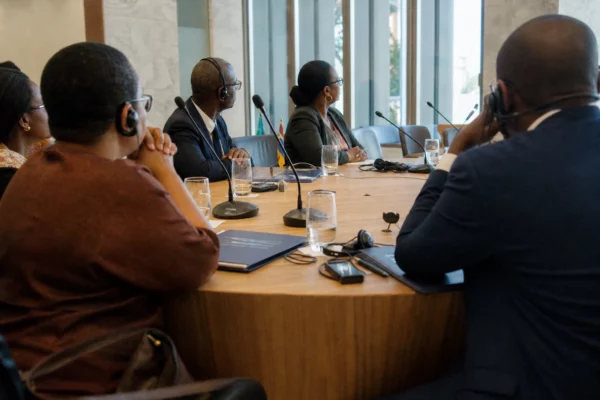
Several officials therefore urged citizens to vote during the day on 27 September. The European Union Election Observation Mission, deployed at the invitation of the Santomean authorities, comprised about 50 observers. The Community of Portuguese Language Countries also formed its own mission, with 29 observers.
Cost of living at the heart of voters’ concerns
In São Tomé, the absence of visible tensions in the streets does not mean there is no discontent. Everyday difficulties weigh on the relationship between citizens and institutions. Irregular access to electricity, problems with water supplies, shortcomings in the health system and a lack of jobs are among the concerns most often raised.
Energy remains a particularly sensitive issue. The state-owned company responsible for water and electricity still relies heavily on diesel-fired power stations. Power cuts have affected business activity, administrative services and household life. They have also increased production costs in an economy already dependent on imports.
Available economic data nevertheless paint a mixed picture. Growth has resumed, thanks to improved electricity supplies and an expansion in tourism. Yet per capita income and poverty reduction remain fragile. Job opportunities are still limited, prompting many young Santomeans to consider moving abroad.
These difficulties do not affect all parts of the country in the same way. On São Tomé, the capital concentrates the administration, shops and a large share of services. In more remote districts, access to healthcare, transport and energy can be more difficult. On Príncipe, the island’s separation from the mainland further increases logistical costs and dependence on sea and air links.
The next government faces several constraints
The parliamentary result will do more than indicate the balance between parties. It will also determine the next government’s ability to negotiate with financial institutions, reform state-owned companies and attract investment in energy, transport, digital services and tourism.
The future administration will also have to take the country’s budget position into account. São Tomé and Príncipe has a small domestic market and remains exposed to fluctuations in the prices of energy and imported goods. The authorities’ room for manoeuvre will therefore depend on their ability to combine fiscal discipline, social protection and support for productive sectors.
Politically, the question will be one of stability. A clear parliamentary majority would make it easier to implement the government programme. A fragmented parliament, by contrast, could require compromises between parties. This would not necessarily mean deadlock, but it would probably slow decisions on the most sensitive issues.
An issue extending beyond the archipelago
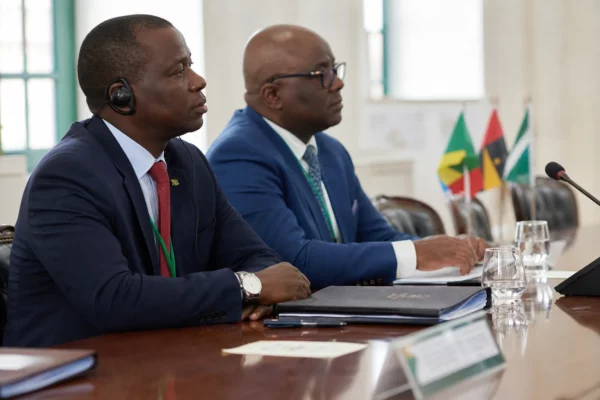
The Santomean election is also of interest to Central Africa. São Tomé and Príncipe belongs to the Economic Community of Central African States, ECCAS, although its political and cultural exchanges with the Portuguese-speaking world remain particularly important. The archipelago thus stands at the intersection of several regional networks, between the Gulf of Guinea, Central Africa and the Lusophone community.
In a region marked by institutional crises and political transitions, the orderly conduct of pluralist elections is an important indicator. It is not enough to resolve economic or social difficulties. It does, however, show that electoral institutions, parties and observers still have a framework for regular political competition.
The next steps will therefore be closely watched. The results must be consolidated, seats officially allocated and any coalition negotiations concluded. The regional vote in Príncipe will also offer an indication of relations between the central authorities and the island’s autonomy. For Santomeans, the issue is not limited to who will govern. It is also whether the next administration can turn electoral promises into more reliable public services and lasting jobs.