Algeria
 Egypt
 Libya
 Morocco
 Sudan
 Tunisia
 Benin
 Burkina Faso
 Cabo Verde
 Côte d'Ivoire
 Ghana
 Guinea
 Guinea-Bissau
 Liberia
 Mali
 Mauritania
 Niger
 Nigeria
 Senegal
 Sierra Leone
 The Gambia
 Togo
 Cameroon
 Central African Republic
 DR Congo
 Equatorial Guinea
 Gabon
 Republic of the Congo
 São Tomé and Príncipe
 Burundi
 Comoros
 Djibouti
 Eritrea
 Ethiopia
 Kenya
 Madagascar
 Malawi
 Mauritius
 Mozambique
 Rwanda
 Seychelles
 Somalia
 South Sudan
 Tanzania
 Uganda
 Angola
 Botswana
 Eswatini
 Lesotho
 Namibia
 South Africa
 Zambia
 Zimbabwe
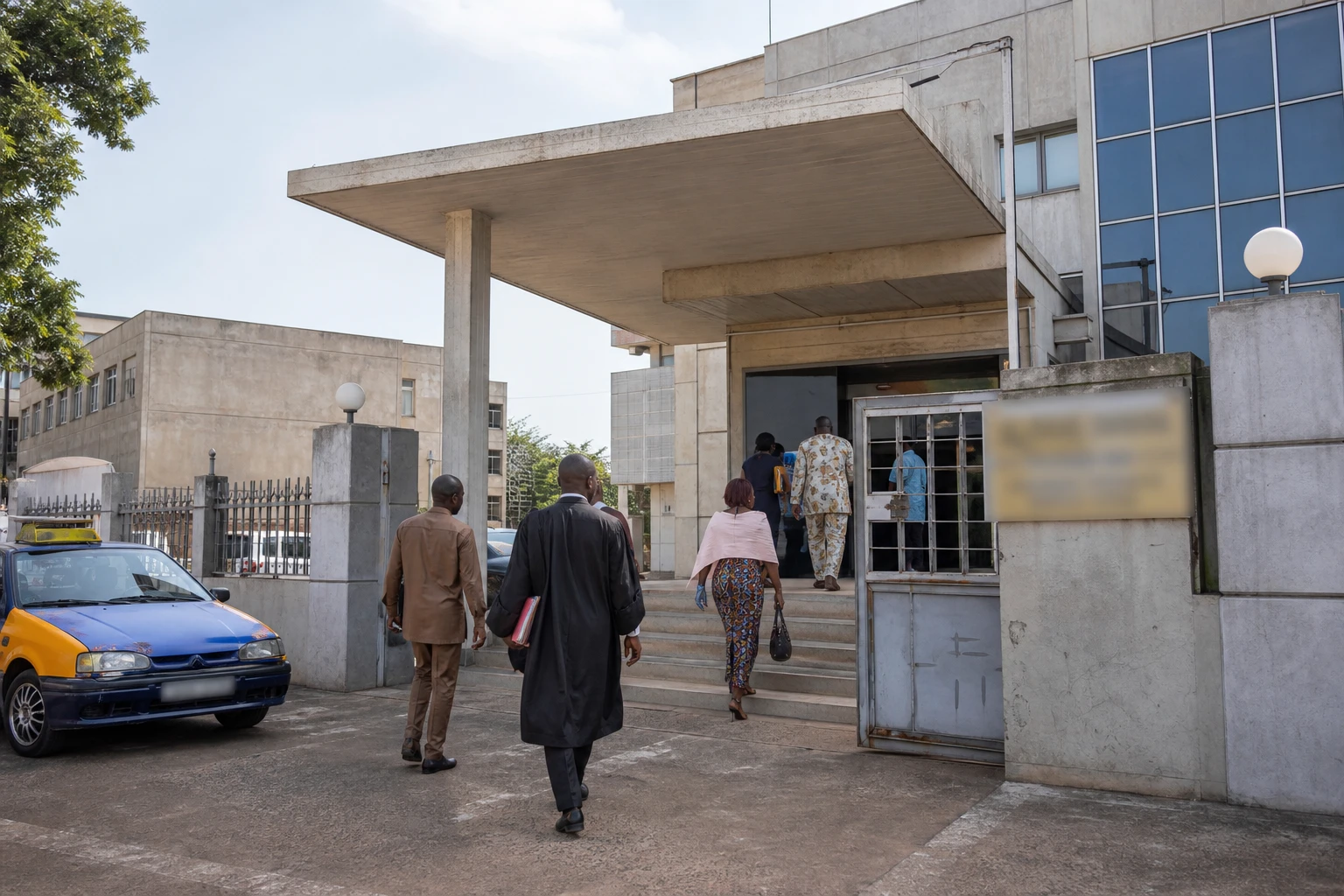
In Lomé, an unpaid hotel bill has taken on the shape of a political affair
In Lomé, a hotel room can sometimes tell more than the story of a simple unpaid bill. When the name of a Chadian rebel figure becomes linked to a bill running to several million CFA francs, the episode quickly moves beyond a commercial dispute and touches on security, diplomacy and the grey areas of armed negotiations. That is what is at stake in the case of Luc Beyam, secretary-general of the Movement for Peace, Reconstruction and Development, who has been held in Togo since 17 September.
Togo is not a neutral backdrop in this kind of case. The country is under a state of security emergency in the northern Savanes region, renewed in March 2026 for 12 months, while Lomé seeks to preserve its role as a country for dialogue in West Africa and the Sahel. ECOWAS, meanwhile, continues to make regional stability and counter-terrorism cooperation central pillars of its work.
What is known about the arrest
According to information corroborated by multiple sources, Luc Beyam says he arrived in Lomé on 5 May at the invitation of Chadian authorities to discuss a future peace agreement. He says his initial accommodation costs were covered, before his contacts stopped responding. The unpaid bill is said to exceed 15 million CFA francs, or about €23,000. The hotel filed a complaint and the Togolese gendarmerie arrested him on 17 September. Several sources say he was still in custody on 21 September, awaiting a hearing before a judge.
At this stage, neither the Togolese government nor Chadian authorities have publicly set out why the MPRD official was in Lomé or specified the precise framework for any political discussions. The case is therefore being told through a collection of partial facts: a stay, a bill, a complaint, an arrest, and then official silence. In practice, that silence encourages every interpretation, from a straightforward legal procedure to a more sensitive case involving indirect contacts between Chadian actors and regional mediators.
An armed group known to Chadian security services
The MPRD, or Movement for Peace, Reconstruction and Development, is a rebel actor active in southern Chad. It resurfaced in January 2026 after violent clashes near Korbol, in the Moyen-Chari region. The Chadian army confirmed a clash, while figures circulating in the African press reported deaths and injuries on both sides. However, a precise toll cannot be established without caution, as figures differ according to sources and the parties involved.
In its communications, the group claims its struggle began in the mid-2000s. Documents and pages belonging to the movement consulted online describe it as a politico-military organisation based in the bush in southern Chad. Other security-monitoring sources, including a report published in June 2026 by the Belgian organisation CGRA/CGRS, recall that the MPRD made headlines in Chad’s security situation with its January 2026 ambush and forms part of a landscape of armed groups still active in the south of the country.
Why this case goes beyond an unpaid hotel bill
From a legal standpoint, the case initially looks like an ordinary dispute. An establishment says it has suffered a loss. A complaint follows. The police intervene. But the profile of the person involved immediately changes the scale of the case. In a context where discussions with Chadian armed groups often take place through discreet channels, an arrest in Lomé could be interpreted as an administrative mishap, indirect pressure or a signal to other armed interlocutors. For now, there is nothing to establish which of these interpretations is correct.
For Togo, the stakes are also institutional. The country wants to be seen as a reliable mediation venue, even as its own domestic security remains under strain in the north. The case therefore comes at a time when Lomé must balance territorial control, diplomatic caution and the management of perceptions. For the Togolese public, the episode raises a simple question: where does the handling of a private debt end, and a matter of state begin?
Regional implications, from southern Chad to the Gulf of Guinea
The case also serves as a reminder of a broader reality: armed crises in the Sahel and its fringes now spill far beyond their original borders. Togo, like other coastal countries on the Gulf of Guinea, remains exposed to this security porosity, especially in its northern areas. At the same time, Chad continues to be riven by tensions between the state and several armed movements, despite dialogue efforts and the pre-negotiation phases seen in recent years.
What is unfolding in Lomé is therefore also of interest to West Africa as a whole. Regional organisations see it as another test of the movement of mediation efforts, the handling of political exiles and the judicial treatment of armed actors on the territory of a third country. What happens next will depend on two very concrete points: the legal classification adopted by the Togolese courts and any possible reaction from N’Djamena, if there is one. That is where the real significance of the case will be measured, beyond the unpaid bill.