Algeria
 Egypt
 Libya
 Morocco
 Sudan
 Tunisia
 Benin
 Burkina Faso
 Cabo Verde
 Côte d'Ivoire
 Ghana
 Guinea
 Guinea-Bissau
 Liberia
 Mali
 Mauritania
 Niger
 Nigeria
 Senegal
 Sierra Leone
 The Gambia
 Togo
 Cameroon
 Central African Republic
 Chad
 DR Congo
 Equatorial Guinea
 Gabon
 Republic of the Congo
 São Tomé and Príncipe
 Burundi
 Comoros
 Djibouti
 Eritrea
 Ethiopia
 Kenya
 Madagascar
 Malawi
 Mauritius
 Mozambique
 Rwanda
 Seychelles
 Somalia
 South Sudan
 Tanzania
 Uganda
 Angola
 Botswana
 Lesotho
 Namibia
 South Africa
 Zambia
 Zimbabwe
When removal becomes a grey area
For those targeted, removal no longer ends at the national border. It shifts to another country, sometimes another continent, where they have no family, lawyer or familiar point of reference. This is where part of US migration policy is now playing out: not merely returning people, but transferring them to a “third country” and leaving that country to manage what happens next.
This method shifts the balance of power. It allows Washington to circumvent judicial protections secured by some migrants against direct return to their countries of origin. It also shifts the pressure on to African states, often institutionally more fragile, which agree to host deportees in exchange for opaque deals, financial support or diplomatic gains. In several documented cases, these transfers end with a second removal to the country of origin, reigniting the risk of persecution or torture.
The phenomenon is no longer marginal. Since January 2025, the US administration has concluded or activated a series of agreements that have enabled it to send more than 25,000 migrants to at least 29 third countries. The US Senate estimates that this system has cost tens of millions of dollars and become a central tool in the removal strategy. On 18 September 2026, a federal appeals court also ruled that the procedure allowing these rapid transfers without a genuine opportunity to challenge the destination was illegal.
Africa, a discreet but decisive link
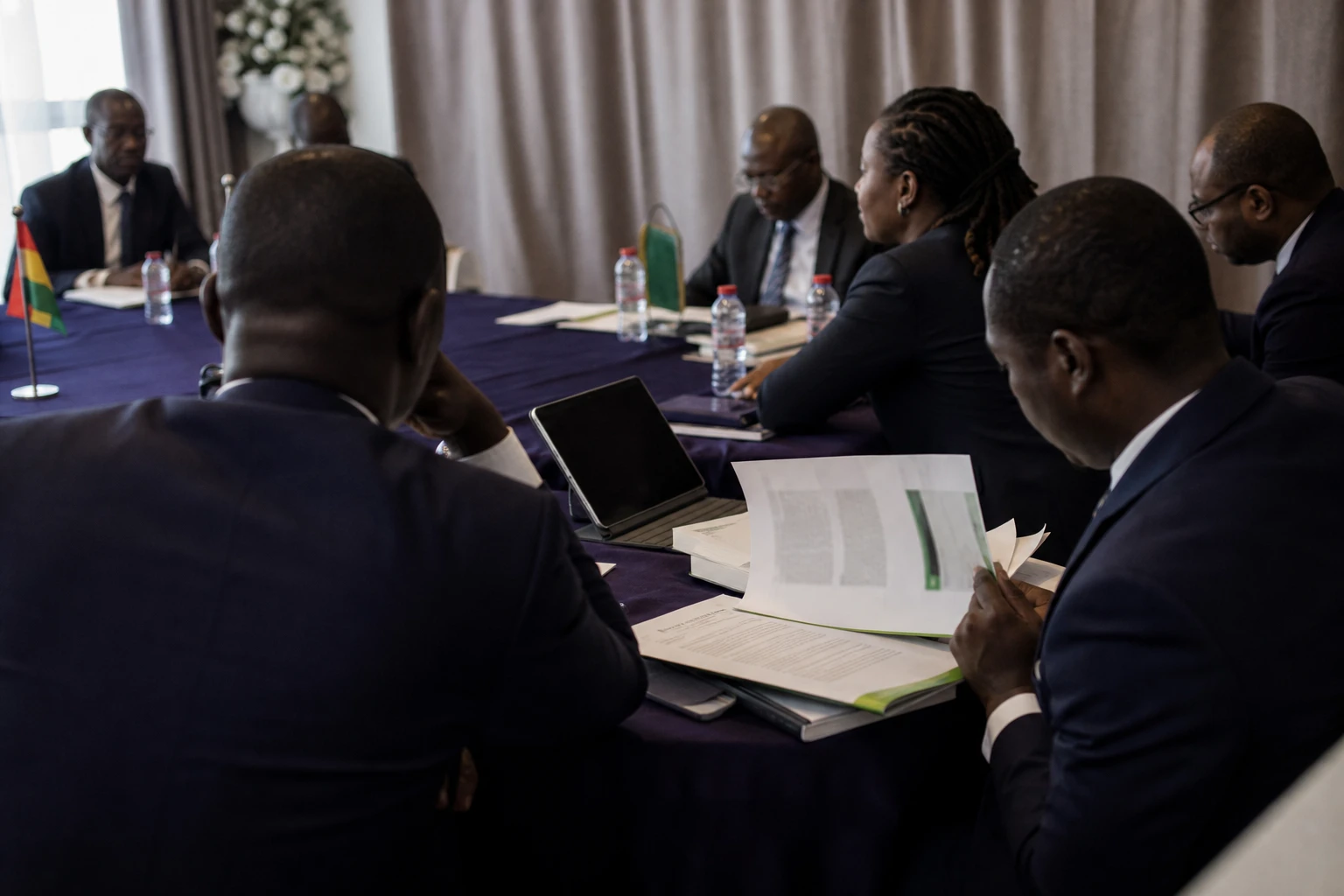
The continent has found itself at the heart of this system without setting its rules. Countries including Ghana, Sierra Leone, South Sudan, Cameroon, Eswatini, Uganda, Rwanda, the Central African Republic and Equatorial Guinea have, to varying degrees, agreed to receive people deported from the United States. The arrangements vary. Sometimes people are hosted temporarily before moving on. Sometimes they are detained on arrival. In other cases, they disappear into a state of semi-freedom without clear legal status.
Ghana has publicly embraced a logic of regional solidarity, saying it accepts only West African nationals. Sierra Leone, for its part, gave deportees a document stating that their stay was “only temporary”. In South Sudan, several people were placed in a high-security facility in Juba, without reliable access to relatives or lawyers. Flights have also brought people of various nationalities, including Iranians, Syrians and Afghans, to the Central African Republic, where the country continues to face chronic security and institutional fragility.
The mechanism often follows a pattern that is very simple to describe but difficult to challenge: the United States to an African country, then the African country to the country of origin. Lawyers call this “chain refoulement”. Under international law, refoulement prohibits returning a person to a place where they risk persecution, torture or other ill-treatment. This principle is at the heart of the Geneva Convention relating to the Status of Refugees and the Convention against Torture. But it is weakened as soon as responsibility is divided among several states.
Lives displaced, then sent back into danger
This system does not affect only people with no criminal record. Documented cases also include asylum seekers, people protected by a US judge, political exiles and LGBT people who have fled violence. This is precisely what raises questions: a judge may recognise that direct return would be dangerous, but a transfer to a third country effectively erases that protection. The US administration maintains that these operations are legal. But several NGOs, lawyers and US lawmakers consider them primarily a way to circumvent judicial oversight.
The consequences are tangible. On arrival, some deportees have no access to their phones, passports or legal assistance. Others are detained without a clear court order. In several cases, the authorities in the host country have subsequently organised or facilitated a forced return to the country of origin. For those concerned, this is not simply a change of route. It often means facing again the threat they had specifically fled.
The African dimension is particularly sensitive because it involves states already grappling with other urgent priorities: domestic security, employment, regional migration pressure, relations with Washington and, for some, continental integration. In Accra, Freetown, Juba and Bangui, the issue is not merely diplomatic. It also concerns administrative capacity, the credibility of legal commitments and the way fundamental rights are applied in hastily assembled arrangements. Underlying this is a reshaping of Africa’s place in global migration negotiations.
What this case says about international power dynamics
At continental level, this case shows how bilateral agreements can circumvent regional frameworks and protection guarantees. The African Union and regional economic communities such as ECOWAS are not bystanders in this matter. They are directly concerned because transfers cross African borders, because African nationals are returned to countries where they say they have been persecuted, and because regional solidarity cannot be used to shield arbitrary detention or forced returns.
What happens next will depend on several developments: the actual implementation of the US federal appeals court’s ruling, the response of the African governments concerned, and the ability of national or regional courts to scrutinise these agreements. Meanwhile, human rights organisations will probably continue documenting individual cases, since it is often through a case file, a flight, a hotel, a cell or a second removal that the system becomes visible. This case ultimately reveals one simple truth: when the protection of individuals is fragmented across several capitals, political responsibility becomes easier to dilute, but not to erase.