Algeria
 Egypt
 Libya
 Morocco
 Sudan
 Tunisia
 Benin
 Burkina Faso
 Cabo Verde
 Côte d'Ivoire
 Ghana
 Guinea
 Guinea-Bissau
 Liberia
 Mali
 Mauritania
 Niger
 Nigeria
 Senegal
 Sierra Leone
 The Gambia
 Togo
 Cameroon
 Central African Republic
 Chad
 Equatorial Guinea
 Gabon
 Republic of the Congo
 São Tomé and Príncipe
 Burundi
 Comoros
 Djibouti
 Eritrea
 Ethiopia
 Kenya
 Madagascar
 Malawi
 Mauritius
 Mozambique
 Rwanda
 Seychelles
 Somalia
 South Sudan
 Tanzania
 Uganda
 Angola
 Botswana
 Eswatini
 Lesotho
 Namibia
 South Africa
 Zambia
 Zimbabwe
Between civilian returns and disarmament, Kigali seeks to close a long-running chapter
In the Great Lakes region, population movements never tell just one story. They speak at once of security, diplomacy, long-standing wounds and the difficulty of distinguishing civilians from combatants in a still-fragile border area. In Rwanda, this reality directly affects Kigali, but also plays out in the east of the Democratic Republic of the Congo, where flows remain tied to local crises and regional power dynamics.
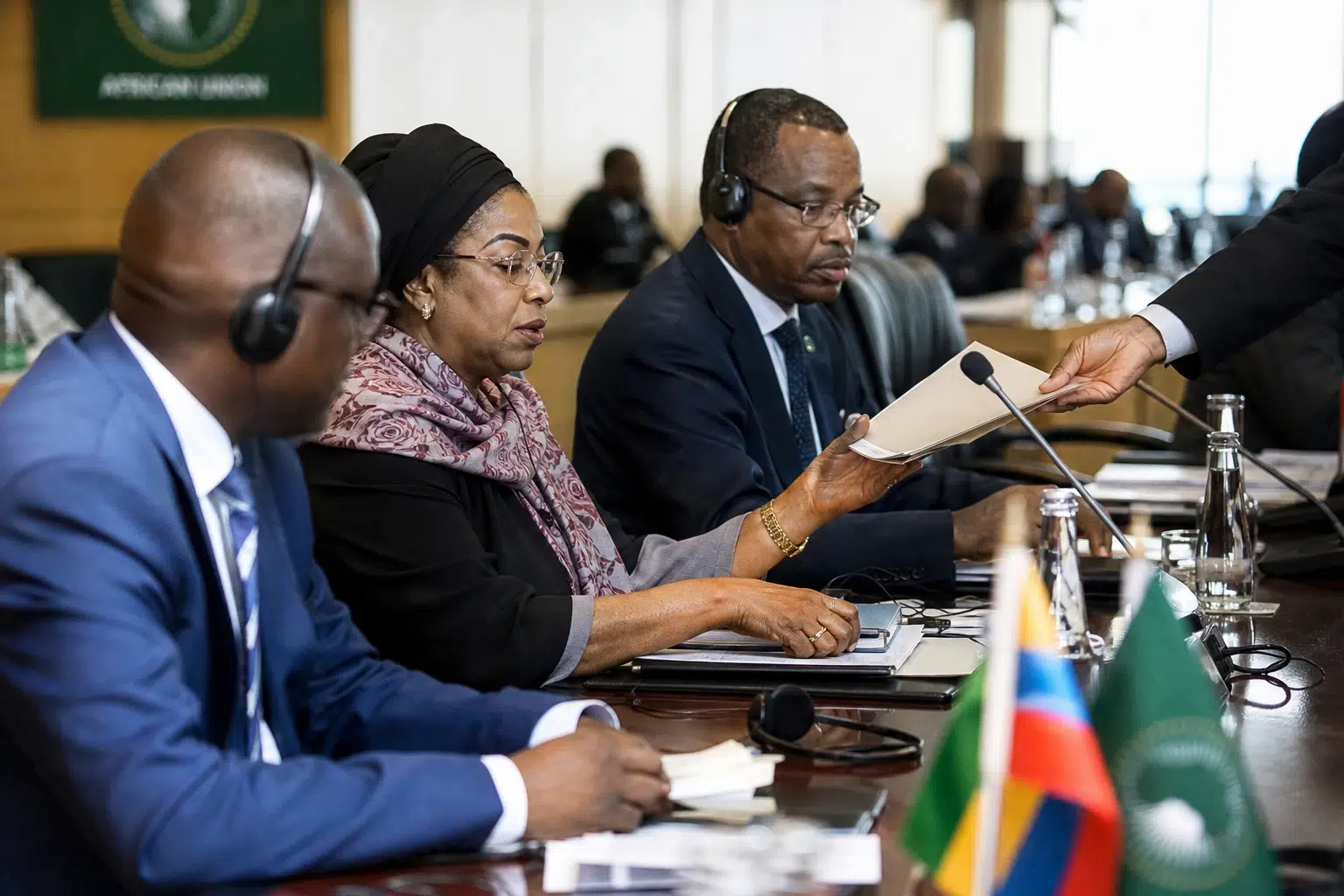
The framework governing these returns is tripartite. Rwanda, the DRC and the United Nations High Commissioner for Refugees have for several years been working on the voluntary repatriation of Rwandan refugees, with the stated aim of protecting those concerned and easing a dispute inherited from regional wars. In Addis Ababa in June 2026, the three parties reaffirmed their commitment to moving forward together on the issue, with a technical road map for 2026-2027 and a target of 10,000 returns in 2026.
3,752 returns since January, but a sizeable population remains in the DRC
According to UNHCR data, 366 Rwandan refugees recently returned home from Goma, Bukavu and Kamanyola. Of these, 304 came from Goma, 32 from Bukavu and 30 from Kamanyola. This latest movement brings the number of returns recorded since the start of 2026 to 3,752. UNHCR and the governments concerned describe these departures as voluntary, safe and dignified.
The figure remains modest, however, compared with the number still in the DRC. Public UNHCR data show that, as at 31 March 2026, around 79,911 Rwandan refugees and asylum seekers were still registered in the country, while the latest update visible on UNHCR’s Rwanda platform reports that 84,563 people of Congolese nationality were living in Rwanda as at 30 June 2026. These figures underline that the issue is not only about Rwandans returning, but also a broader regional balance between hosting, protection and stabilisation.
The road ahead is also longer than the repatriation process alone. In spring 2026, UNHCR estimated that 1,503 Rwandans had already returned from the DRC between December 2025 and March 2026, and that the 2026 annual target was 6,000 returns of Rwandans from the DRC and other countries of asylum. The current trajectory therefore points to an acceleration, but not yet a mass return.
Civilians repatriated, ex-combatants separated from other flows
The distinction between civilian refugees and ex-combatants is central to this issue. On 8 September 2026, MONUSCO facilitated the transfer of 120 people to Rwanda, including 51 former combatants from the FDLR, the Democratic Forces for the Liberation of Rwanda, and 69 members of their families. They were taken to the Mutobo demobilisation centre in Rwanda. The UN mission described the operation as a step towards disengagement and reintegration.
This episode is part of a broader programme of disarmament, demobilisation, repatriation, reintegration and resettlement. MONUSCO says the FDLR are the main foreign armed group operating in the DRC. In its 2026 report, the UN Security Council also noted that the recent increase in the repatriation of ex-combatants and their dependants to Rwanda was an encouraging development.
But questions over the methods used remain sensitive. Organisations close to these refugees dispute the conditions under which some people are identified, assembled and taken to Rwanda, particularly in areas that have come under AFC/M23 control. UNHCR, for its part, says it is closely monitoring the situation to verify that the rights and safety of those transferred are respected. This tension highlights a familiar difficulty in protracted conflicts: the same routes are used for returns and evacuations, and sometimes for forced displacement that is harder to document.
What these returns mean for Kigali, the DRC and the region
For Kigali, every return carries political and symbolic weight. It allows the Rwandan government to show that some exiles are coming home under an organised framework, with reception at the Mutobo transit centre and follow-up by the relevant authorities. It is also a question of sovereignty, as Rwanda seeks to close a chapter opened by the mass displacements linked to the wars of the 1990s and their aftermath in the east of the Congo.
For the DRC, the issue is more complicated. The east of the country remains marked by the activity of multiple armed groups, repeated displacement and local rivalries that complicate any orderly return operation. In June 2026, the Congolese authorities agreed with Rwanda and UNHCR to restart a technical road map, but its implementation depends on security on the ground, verification capacity and co-ordination between government bodies, UN agencies and military actors.
For the families concerned, the stakes are even more tangible: legal status, security, access to documents, housing and economic reintegration. UNHCR stresses that returns must be voluntary and supported. In practice, this requires transit centres, registration teams and basic services and, above all, the ability to verify everyone’s identity. In an area where human boundaries have often been blurred by war, this verification is no administrative detail. It is at the heart of the issue.
A Rwandan issue, but an East African and continental equation
Rwanda belongs to the East African Community, the EAC, and this issue resonates beyond its western border. Refugee returns, transfers of ex-combatants and the stabilisation of the east of the Congo influence cross-border trade, political trust and the movement of people throughout the sub-region. At continental level, the African Union and regional mechanisms are also monitoring these issues, as they concern human security, co-operation between states and the management of protracted crises.
What happens next will depend on two interlocking timetables. On the one hand, the continuation of voluntary returns by civilian refugees. On the other, the practical implementation of the protocol on the FDLR, including cantonment, identification, demobilisation and possible repatriation. As long as these two strands move at the same pace, Kigali and Kinshasa can continue to speak of progress. If they fall out of step, the issue will once again become a source of tension in the Great Lakes, with immediate consequences for civilians on both sides of the border.