Algeria
 Egypt
 Libya
 Morocco
 Sudan
 Tunisia
 Benin
 Burkina Faso
 Cabo Verde
 Côte d'Ivoire
 Ghana
 Guinea
 Guinea-Bissau
 Liberia
 Mali
 Mauritania
 Nigeria
 Senegal
 Sierra Leone
 The Gambia
 Togo
 Cameroon
 Central African Republic
 Chad
 DR Congo
 Equatorial Guinea
 Gabon
 Republic of the Congo
 São Tomé and Príncipe
 Burundi
 Comoros
 Djibouti
 Eritrea
 Ethiopia
 Kenya
 Madagascar
 Malawi
 Mauritius
 Mozambique
 Rwanda
 Seychelles
 Somalia
 South Sudan
 Tanzania
 Uganda
 Angola
 Botswana
 Eswatini
 Lesotho
 Namibia
 South Africa
 Zambia
 Zimbabwe
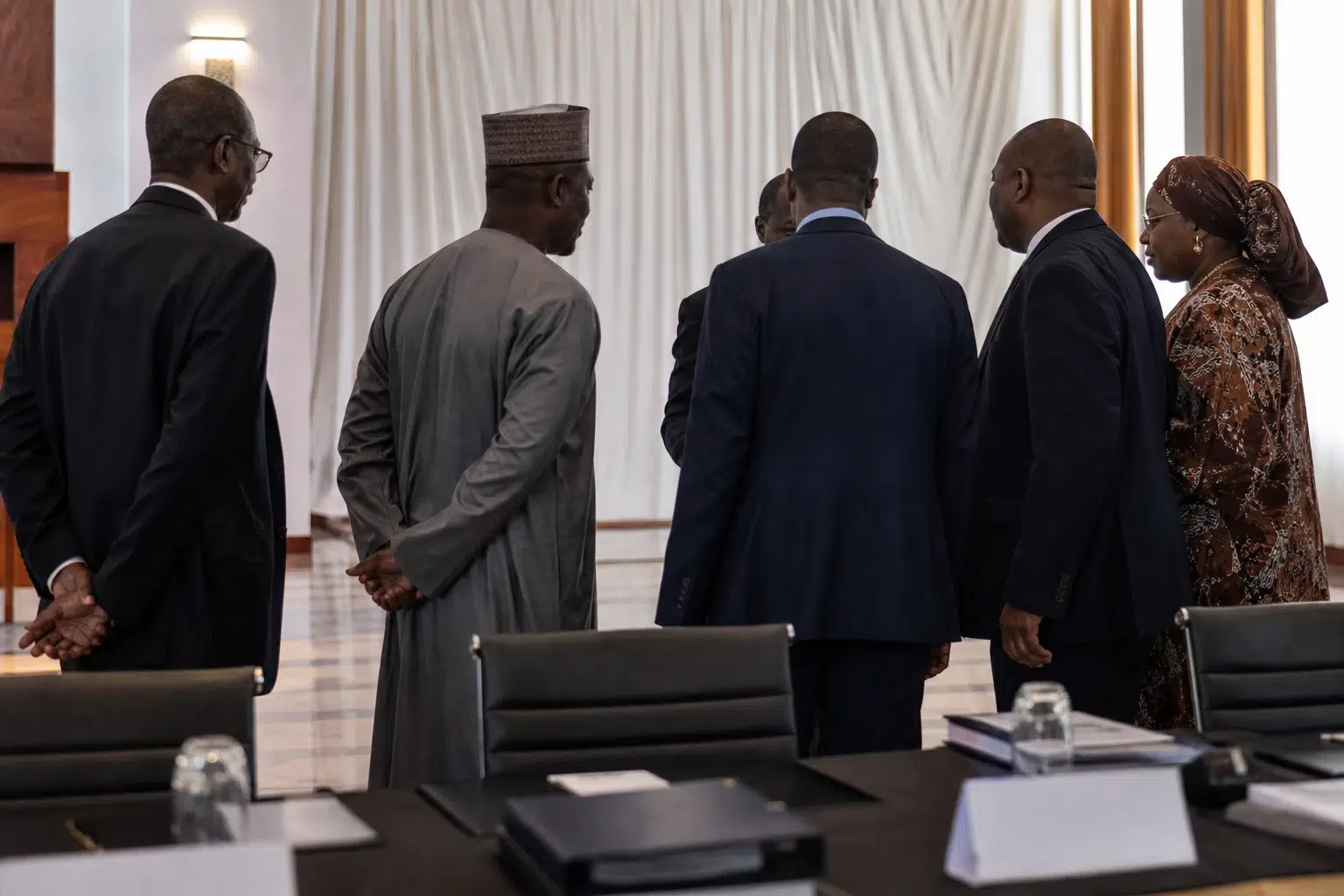
Uranium returns to centre stage in Agadez
In northern Niger, every announcement about uranium goes beyond mining alone. It affects public revenues, local jobs, the country’s place on the global market and, above all, its ability to negotiate with new partners without losing control of a strategic resource.
The Dasa project, about 100 kilometres south of Arlit, is part of this long-running struggle. The deposit is being developed by SOMIDA, a company 80% owned by Global Atomic and 20% by the Nigerien state. The site officially began underground work on 5 November 2022, in the presence of Nigerien officials, in the Agadez region, at the heart of Niger’s historic uranium-producing area.
Since then, the project has grown in scale. The Development Finance Corporation, the US government’s development finance institution, has approved a debt facility of up to $414.2 million for the project, according to the Canadian company. This approval does not mean that funds are immediately available. The financing is conditional, with several steps to be completed before any disbursement.
What the financing package involves
The Dasa project is not simply a mine. It is an industrial, financial and diplomatic undertaking. According to documents published by the DFC, the project involves an underground uranium mine in the Agadez region, with impacts to be managed in areas including security, water, mine waste, workers’ health and the lives of neighbouring communities. The US institution has classified the project as high-risk, requiring enhanced environmental and social safeguards.
Global Atomic now says it is targeting production in the second half of 2028. The timeline has therefore been pushed back from initial projections, which envisaged production beginning in 2025. The company attributes the delay to a 74% increase in costs and financing delays linked to the change of authorities following the coup of 26 July 2023 in Niamey.
The financing timeline is also subject to conditions. According to information published by the company, the DFC loan comes with specific requirements: securing an export route for the uranium concentrate, extending the mining agreement and operating permit, obtaining guarantees for repayment of the loan, and concluding a direct agreement with the Nigerien state. In other words, Washington is not just financing a mine. It is also demanding a stable legal framework.
A US signal in a contested mining landscape
In Niamey, the announcement has significance beyond Dasa. Since 2023, Niger has taken a tougher line in the extractive sector and has called for firmer control over its resources. Uranium is particularly sensitive. France’s Orano group remains locked in a dispute with the Nigerien state over several assets, while a dispute with China’s CNPC recently reached a resolution in the oil sector.
In this context, US financing for a Canadian project can be interpreted in two ways. For some, it signals Washington’s desire to re-engage with a country that has become strategically important in security and energy terms. For others, it mainly shows that Western investors must now deal with a Niger that is more assertive in negotiating contracts, agreements and export outlets.
Niger remains a central player in Africa’s uranium sector. Historically, Arlit and Akokan have shaped a highly concentrated mining economy, with mixed effects: export revenues for the state, limited formal employment in a vast and sparsely populated environment, and high expectations among people in Agadez for roads, water, healthcare and public services. Dasa adds to this mining geography, but in a climate where trust between operators and the government has been weakened.
The question, then, is not just whether the $414 million will be disbursed. The real issue is the political and logistical conditions for sustainable production. Ore transport, security along routes in the north, stability in tax rules and the state’s role in governing the project will matter as much as the quality of the deposit.
What the project says about Niger and the region
Regionally, the Dasa project resonates far beyond Niger. The country is now part of the Alliance of Sahel States, having left ECOWAS, a shift that is changing its trade and diplomatic relations in the sub-region. At the same time, its mineral resources remain integrated into global supply chains running through Benin, the Gulf of Guinea, Europe and North America.
This reality makes Niger’s extractive sector particularly sensitive. On the one hand, the state is seeking to increase the share of value captured locally. On the other, companies want sufficient certainty to finance large, costly projects exposed to political risks. Dasa crystallises this tension. It is a promising project, but also a test of the credibility of Niamey’s new economic doctrine.
What happens next will depend on three factors: the final structure of the loan, the conditions set by the DFC and the Nigerien authorities’ ability to stabilise the operating framework. If these three elements align, Dasa could once again become a symbol of a mining revival. Otherwise, the site will remain another case in a sector where the subsoil is rich, but political balances remain fragile.