Algeria
 Egypt
 Libya
 Morocco
 Sudan
 Tunisia
 Benin
 Burkina Faso
 Cabo Verde
 Côte d'Ivoire
 Ghana
 Guinea
 Guinea-Bissau
 Liberia
 Mali
 Mauritania
 Niger
 Nigeria
 Senegal
 Sierra Leone
 The Gambia
 Togo
 Cameroon
 Central African Republic
 Chad
 DR Congo
 Equatorial Guinea
 Gabon
 Republic of the Congo
 São Tomé and Príncipe
 Burundi
 Comoros
 Djibouti
 Eritrea
 Ethiopia
 Kenya
 Madagascar
 Malawi
 Mauritius
 Rwanda
 Seychelles
 Somalia
 South Sudan
 Tanzania
 Uganda
 Angola
 Botswana
 Eswatini
 Lesotho
 Namibia
 South Africa
 Zambia
 Zimbabwe
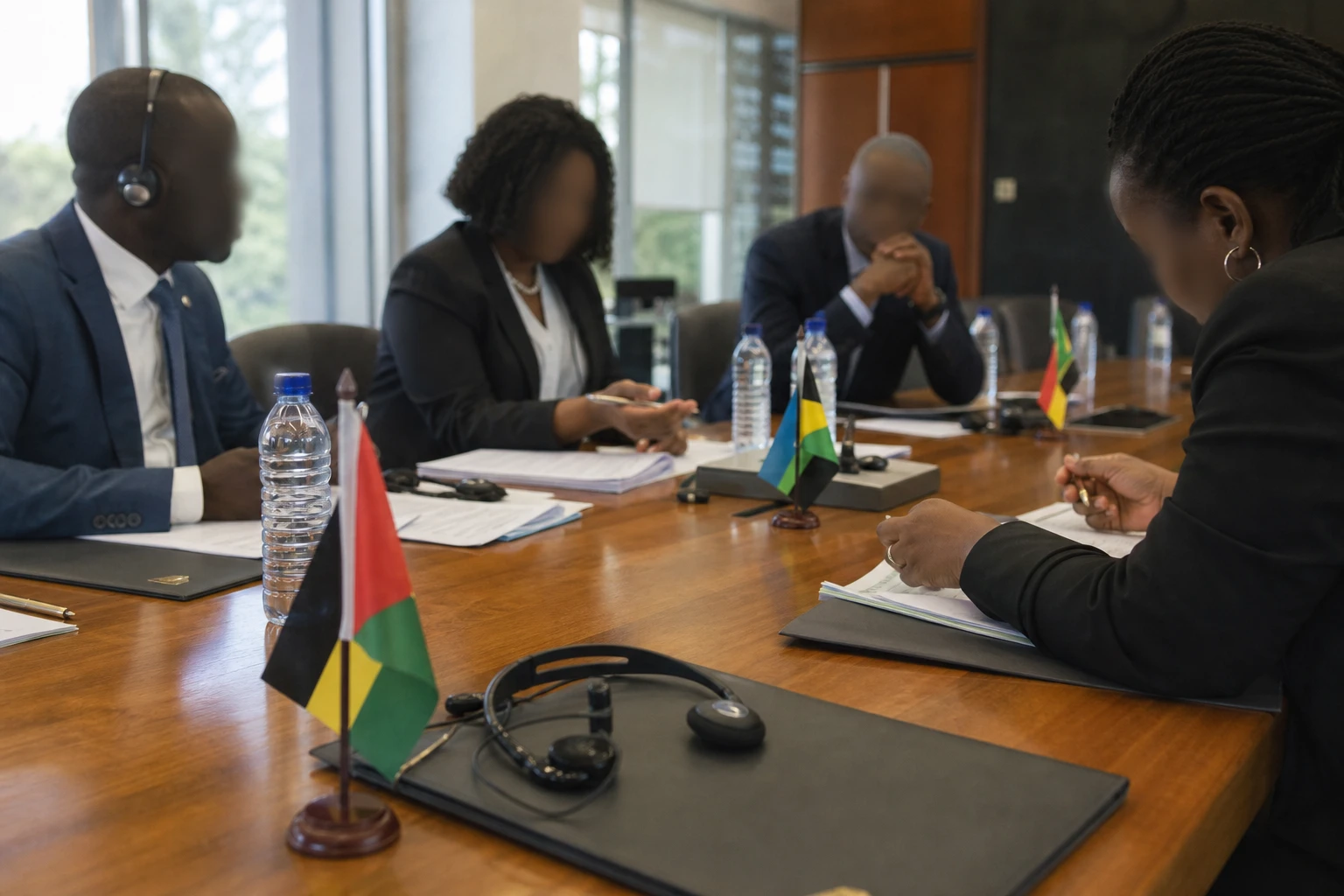
In Maputo, the gas battle is now being fought in the accounts as well as on construction sites
In Mozambique, the challenge is no longer simply to extract gas. The country must also prove, line by line, how much it really costs before the state receives its share. In a sector where contracts are complex and sums are large, scrutiny of expenses declared recoverable has become a tool of economic sovereignty for Maputo.
This comes as the country seeks to turn the Rovuma Basin in the north into a driver of revenue, jobs and infrastructure. The projects concerned are in Cabo Delgado province, a region where the gas industry is advancing in an environment still marked by insecurity and mistrust over the distribution of benefits. Mozambique remains a member of SADC, the Southern African Development Community, which is closely watching the stability of this strategic energy corridor.
Mozambique tightens its grip on recoverable costs
The Instituto Nacional do Petróleo, Mozambique’s oil regulator, has issued a tender to recruit a firm to audit expenses declared recoverable by the operators of the country’s two largest gas projects. The audit will cover Area 1 for the 2025 and 2026 financial years, and Area 4 for 2024, 2025 and 2026. These areas contain most of the Rovuma’s gas reserves, which the institution estimates at about 180 Tcf, or 180 trillion cubic feet.
Recoverable costs are expenses an operator can charge against project revenues before they are shared with the state. In other words, the higher these costs, the later the public share may be paid. That is why checking them is one of the most sensitive aspects of oil and gas contracts. The new audit is therefore intended to secure future revenues, as well as reduce disputes between Maputo and the concessionaires.
The initiative is based on a recent legal change. On 3 June 2026, Law No. 8/2026 elevated the INP to the status of Petroleum Regulatory Authority and gave it greater powers of supervision, inspection and sanction. The government presented the law as a way to strengthen transparency and maximise national benefits from oil and gas resources.
In practice, this institutional expansion changes the balance with operators. The Mozambican state is no longer content simply to monitor declared expenses. It now says it intends to verify them earlier, using more binding tools. This shift matters because the expected gas revenues must support public finances, energy imports, roads, electricity and sovereign debt that remains under pressure.
Long-running tax dispute amid industrial recovery and regional expectations
The new financial scrutiny follows a long-running dispute with TotalEnergies over the Mozambique LNG project in Area 1. An audit conducted for the Mozambican government reportedly found a gap of about $2 billion between expenses claimed for the force majeure period and those that could be verified. In the same case, preliminary expenses of just over $5 billion were reportedly submitted, with only about 60% of the documentation deemed usable by the appointed firm. These details are attributed to that audit and have not been publicly set out by the government.
The timing adds weight to this development. In January 2026, TotalEnergies announced the full resumption of activities at Mozambique LNG in Afungi, with the first delivery of liquefied natural gas expected in 2029. The project was about 40% complete at the time, according to the company. Meanwhile, in September 2026, ExxonMobil said its Area 4 partners had awarded $1.1 billion in pre-investment contracts for Rovuma LNG Phase 1. These figures show that the Rovuma Basin’s major projects are once again at the centre of Mozambique’s industrial strategy.
Mozambique faces a twofold challenge. On the one hand, major projects can attract foreign currency, support the trade balance and strengthen the country’s position as a future regional gas supplier. On the other, the memory of violence in Cabo Delgado, the need to secure industrial sites and the political sensitivity of revenue sharing demand firmer budgetary discipline. Cost control is therefore a matter of public trust as much as a technical issue.
Across the continent, the issue extends beyond Mozambique. It illustrates a question that has become central for several African producers: how can they attract large amounts of capital without losing control of projects’ tax bases? The Mozambican case also speaks to states relying on gas to finance the energy transition, electricity networks and industrialisation. What happens next will depend on two milestones: the completion of the audit launched by the INP and the continued resumption, without further disruption, of projects at Afungi and in Area 4.