
 Algeria
 Egypt
 Libya
 Morocco
 Sudan
 Tunisia
 Benin
 Burkina Faso
 Cabo Verde
 Côte d'Ivoire
 Ghana
 Guinea
 Guinea-Bissau
 Liberia
 Mali
 Mauritania
 Niger
 Nigeria
 Senegal
 Sierra Leone
 The Gambia
 Togo
 Cameroon
 Central African Republic
 Chad
 Equatorial Guinea
 Gabon
 Republic of the Congo
 São Tomé and Príncipe
 Burundi
 Comoros
 Djibouti
 Eritrea
 Ethiopia
 Kenya
 Madagascar
 Malawi
 Mauritius
 Mozambique
 Rwanda
 Seychelles
 Somalia
 South Sudan
 Tanzania
 Uganda
 Angola
 Botswana
 Eswatini
 Lesotho
 Namibia
 South Africa
 Zambia
 Zimbabwe
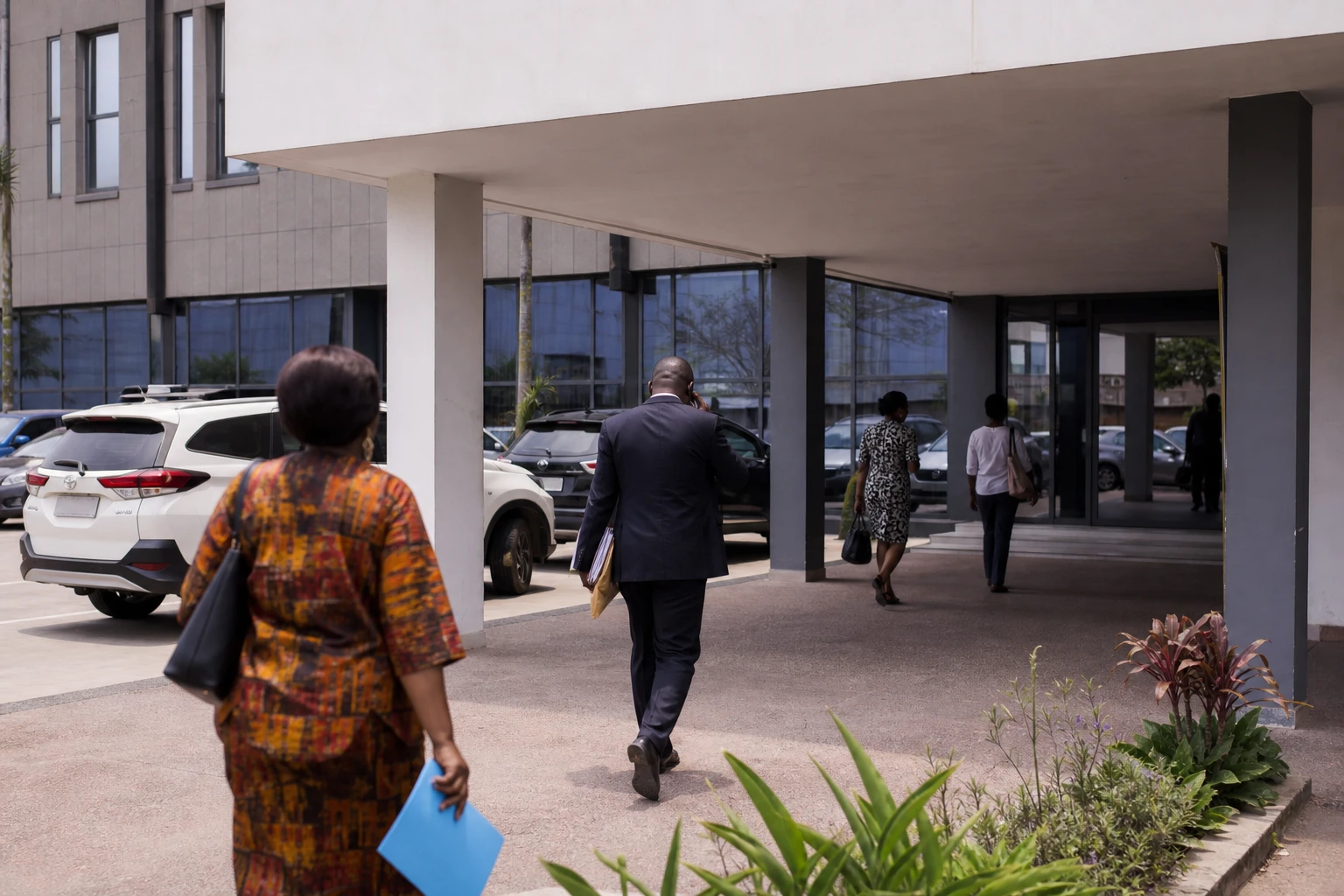
In Kinshasa, the streets remain a political test as well as a space for freedom
In Kinshasa, an opposition march is never just a walk along the boulevard. It simultaneously tests a camp’s ability to mobilise, the discipline of the security forces and the authorities’ tolerance of dissent. On Tuesday 15 September 2026, the Coalition Article 64, or C64, put this to the test in the Congolese capital, on the eve of the parliamentary session and amid an already tense climate surrounding a possible constitutional change.
The event is part of a broader political sequence in the Democratic Republic of the Congo. Félix Tshisekedi began a second term in 2024, after his re-election in December 2023, and the Congolese Constitution in principle limits the number of presidential terms. This is precisely the safeguard the opposition says it wants to protect, while the authorities say they are managing the institutional debate without relinquishing public order.
A march under control, then overtaken by clashes
Accounts from Kinshasa agree on one point: the procession set off in the Limete municipality, near the Échangeur, before being disrupted around 10th, 11th, 12th and 13th streets. Loud bangs first triggered panic. The situation then deteriorated, with clashes between protesters, police and young people described by several witnesses and local media as belonging to Force du progrès, a group close to the UDPS, the presidential party.
Several sources say police used tear gas to disperse the crowd. Others say suspected assailants brandished bladed weapons. Amid the confusion, traffic was brought to a standstill along part of the route. Congolese outlet DigitalCongo reports that the march was disrupted on 12th Street in Limete, while other local media describe clashes beginning on 10th Street.
Martin Fayulu, an opposition figure and one of the C64’s leading members, later accused the presidential camp of setting a “trap”. He said he had seen men armed with machetes near the procession. The accusation had not been independently confirmed by a judicial or police source at the time of the first reports, but was carried by several African and international media outlets on the ground.
For the opposition, the battle goes beyond the Constitution
The C64 is more than a coalition of convenience. It brings together several heavyweight figures in the Congolese opposition, including Martin Fayulu, Jean-Marc Kabund and Delly Sesanga, with the stated aim of blocking any reform seen as paving the way for a third term for Félix Tshisekedi. This interpretation was reported by Agence France-Presse, as well as several Congolese media outlets covering the mobilisation in Kinshasa.
The heart of the issue is institutional. In the Democratic Republic of the Congo, the Constitution lies at the centre of a longstanding power struggle: for the opposition, touching term limits would weaken the political pact born of the transition. For the authorities, the constitutional debate can be presented as a matter of sovereignty or institutional adaptation. Between these two readings, the streets become a stage for demonstrating strength. In Kinshasa, they show whether the opposition still exists as a force capable of mobilising nationally, or remains confined to activist strongholds.
The day also revealed another weakness: the fragility of efforts to secure demonstrations in the capital. Provincial authorities had held talks with the organisers and reached a compromise on the route, moving the endpoint away from the Palais du Peuple. But on the ground, the arrangements failed to prevent clashes. For Kinshasa residents, this meant blocked avenues, losses for traders and disrupted journeys. For political parties, it meant a battle over image. For the state, it raised the question of whether it can guarantee both the right to demonstrate and public order.
What Kinshasa says to all of Central Africa
The episode goes beyond the Congolese capital. The DRC is part of Central Africa and carries considerable weight in regional affairs, particularly within ECCAS, the Economic Community of Central African States. When political protests turn violent in Kinshasa, they attract the attention of neighbouring countries, regional diplomats and African partners already following the country’s trajectory through the war in the east, institutional debates and pre-election tensions.
The coincidence of the C64 march, the parliamentary session and discussions on a possible constitutional reform gives the episode broader significance. It shows that the Congolese crisis is not only a security crisis, with the east as its main centre of violence. It is also political, urban and institutional. In Kinshasa, the standoff over the Constitution, the role of the police and the place of the opposition already foreshadows the next battles over the agenda: parliamentary sessions, possible revision proposals, and above all rising tensions as 2028 draws closer.
What happened in the streets of Limete was therefore not an isolated episode. It is a signal. It shows that political competition in the DRC remains marked by mistrust, fears that the institutional process will be captured, and difficulty imposing shared rules in an already strained public space. This is where, ultimately, part of the Democratic Republic of the Congo’s stability is at stake.



