
 Algeria
 Egypt
 Libya
 Morocco
 Sudan
 Tunisia
 Benin
 Burkina Faso
 Cabo Verde
 Côte d'Ivoire
 Ghana
 Guinea
 Guinea-Bissau
 Liberia
 Mali
 Mauritania
 Niger
 Nigeria
 Senegal
 Sierra Leone
 The Gambia
 Togo
 Cameroon
 Central African Republic
 Chad
 Equatorial Guinea
 Gabon
 Republic of the Congo
 São Tomé and Príncipe
 Burundi
 Comoros
 Djibouti
 Eritrea
 Ethiopia
 Kenya
 Madagascar
 Malawi
 Mauritius
 Mozambique
 Rwanda
 Seychelles
 Somalia
 South Sudan
 Tanzania
 Uganda
 Angola
 Botswana
 Eswatini
 Lesotho
 Namibia
 South Africa
 Zambia
 Zimbabwe
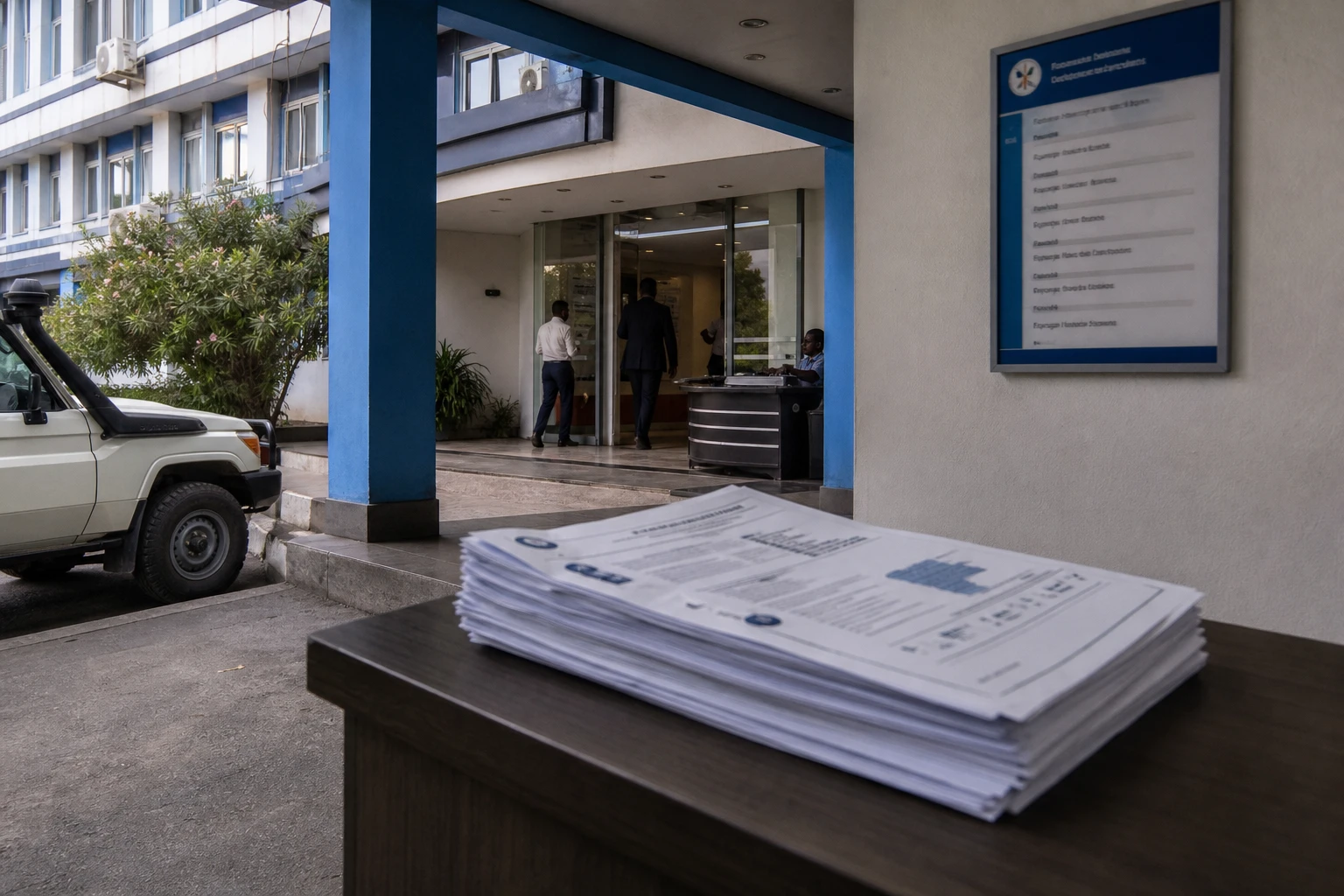
In eastern DR Congo, the response is moving more slowly than the virus
In the east of the Democratic Republic of the Congo, the fight against Ebola is not being waged only in treatment centres. It is also taking place in markets, mining villages, transport corridors and areas where trust in healthcare workers remains fragile. When transmission spreads to new health zones, every delay in care matters.
The situation is being closely monitored in Kinshasa, but it has already spilled beyond the national framework. DR Congo is a member of the Southern African Development Community (SADC), while its immediate neighbours in the Great Lakes region are exposed to cross-border movements. The WHO and Africa CDC have stressed the need for stronger regional coordination, as informal border crossings remain difficult to control.
What the latest figures show
As of 7 September 2026, the WHO reported 6,757 confirmed cases and 3,267 deaths in DR Congo, a crude case fatality rate of 48.3%. The same document said the outbreak had spread to 61 health zones across six provinces: Bas-Uélé, Haut-Uélé, Ituri, North Kivu, South Kivu and Tshopo. Kayna, in North Kivu, is the most recently affected health zone.
The Congolese authorities have published situation reports dated 11 September 2026 on their portal, indicating that surveillance remains a daily task. The Ministry of Public Health, Hygiene and Social Welfare also presented a revised 180-day multisectoral plan in Kinshasa on 4 September to intensify the response. Those mobilised included the ministry, the WHO, INSP and Africa CDC.
The main pressure point is now North Kivu. The WHO recorded 1,066 cumulative cases there as of 7 September, including 453 in the preceding 21 days. The agency added that the province had one of the highest case fatality rates in the outbreak, at 65.4%, a figure that reflects both the severity of the disease and the difficulties of accessing care quickly.
Africa CDC, for its part, has described rapid spread in North Kivu, with a marked rise in new cases over three weeks. In the hardest-hit areas, contact tracing has become a daily race, particularly as movement between urban areas, trade routes and remote communities helps the virus spread.
Why North Kivu is central to the outbreak
North Kivu is more than a point on a health map. It is a province where commercial mobility, demographic pressure, insecurity, internal displacement and unequal access to health facilities intersect. The WHO says the outbreak is also affecting communities in mining areas, informal neighbourhoods and displacement sites, where water, sanitation and medical care remain inadequate.
In other words, the spread depends on more than the virus. It also depends on delays in seeking care, the ability to isolate suspected cases quickly, trust in public messaging and the acceptance of response teams. In several communities, health workers are not welcomed as a source of help, but seen as outsiders. This is as much a public health obstacle as a social challenge.
The Congolese response is nonetheless based on proven tools: active contact tracing, rapid testing, protection for healthcare workers, early treatment and safe and dignified burials. Africa CDC stressed in July that these measures must be supported by credible community engagement, as no technical strategy can make up for a lasting lack of local support.
A Congolese challenge, but also a regional one
The outbreak’s impact extends beyond DR Congo’s borders. The WHO warns that sustained transmission in the country creates a risk of cross-border spread, despite controls at airports, ports and official border posts. Informal routes remain a major blind spot.
That is why Africa CDC and the WHO have called for broader coordination between countries in the Great Lakes region. On 16 June, a virtual presidential meeting on the outbreak called for humanitarian and health access corridors to affected areas, particularly in North Kivu and South Kivu. This initiative shows that the Ebola response is no longer solely a matter of national public health; it is becoming a test of regional governance.
At the continental level, the crisis also underscores a constant reality: health alerts travel faster than resources. Africa has institutions for alerts, expertise and coordination, but their effectiveness depends on the speed of funding, the flow of information and trust between capitals, provinces and communities. In DR Congo, the next milestone will be the ability to curb the spread in North Kivu without easing efforts in Ituri, where the outbreak is oldest and most severe.
The message of the latest reports is clear: the curve will not turn around on its own. In Kinshasa and the affected provinces, the priority remains the same: get ahead of the virus and rebuild public trust so that every alert leads to care, not a chain of transmission.



