Algeria
 Egypt
 Libya
 Morocco
 Sudan
 Tunisia
 Benin
 Burkina Faso
 Cabo Verde
 Côte d'Ivoire
 Ghana
 Guinea
 Guinea-Bissau
 Liberia
 Mauritania
 Niger
 Nigeria
 Senegal
 Sierra Leone
 The Gambia
 Togo
 Cameroon
 Central African Republic
 Chad
 DR Congo
 Equatorial Guinea
 Gabon
 Republic of the Congo
 São Tomé and Príncipe
 Burundi
 Comoros
 Djibouti
 Eritrea
 Ethiopia
 Kenya
 Madagascar
 Malawi
 Mauritius
 Mozambique
 Rwanda
 Seychelles
 Somalia
 South Sudan
 Tanzania
 Uganda
 Angola
 Botswana
 Eswatini
 Lesotho
 Namibia
 South Africa
 Zambia
 Zimbabwe
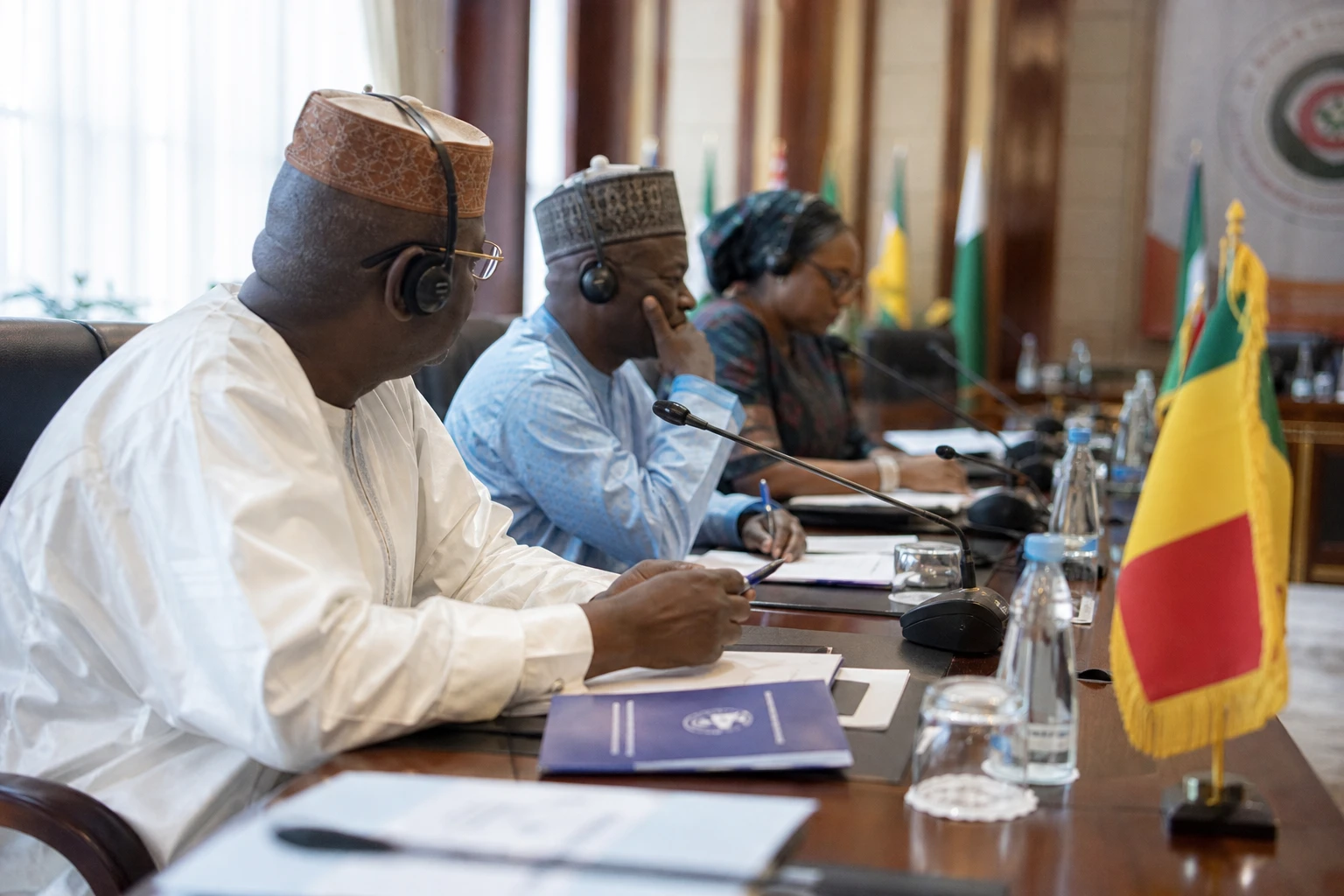
In Dioura, the stakes go beyond a single military camp
In central Mali, an attack is measured not only by the number of rifles seized or vehicles burned. It also shows who controls the road, who holds the night, and how far the state can project its presence beyond Bamako. In Dioura, in the Mopti region, the assault on 10 September once again highlighted that the country’s security is shaped as much in garrisons as in the villages and routes connecting them.
The site is not an isolated outpost. Dioura lies in an area where the Malian army has for years been fighting combatants affiliated with the Group for the Support of Islam and Muslims, or JNIM, Al-Qaeda’s Sahelian branch. This part of the country remains strategically important for military movements, supplies and control of territory in central Mali, at the heart of a crisis spilling over into neighbouring Burkina Faso and Niger.
What is known about the attack and its aftermath
According to several corroborated sources, the attack on the Malian Armed Forces’ position took place on Thursday 10 September 2026 in the Dioura area, in the Mopti region. The African Press Agency reported that JNIM had claimed the operation and said it had taken control of the barracks, while the Malian general staff said a response was under way and that air and ground operations had been launched against the attackers.
As for the human toll, caution is warranted. Sources cited by the press have reported several dozen Malian soldiers killed, as well as prisoners. In the Russian ranks, at least five Africa Corps fighters are said to have been killed, according to the initial information corroborated by matching reports. The Malian army, for its part, mainly stressed the “neutralisation” of several jihadist fighters during the counter-offensive. At this stage, therefore, the exact number of victims remains attributed and has not been definitively established.
On 11 September, and then on the 12th, Mali’s response continued, according to statements reported by local and African media. The FAMa announced that they had continued pursuit and surveillance operations around Dioura, with the support of air and ground assets. These announcements reflect a now-familiar pattern in Mali: after an attack, the army seeks to regain the initiative, demonstrate its mobility and counter the narrative of a total jihadist victory.
Why Dioura matters to Bamako, Mopti and the AES
For Bamako, the issue is twofold. First, military: every attack on a camp exposes the limits of the security network in the country’s centre. Second, political: the transitional authorities want to demonstrate that they control the defence apparatus despite simultaneous pressure from jihadist groups and multiple fronts. But on the ground, it is above all soldiers, families and traders in transit areas who pay the price of prolonged insecurity, with riskier roads, disrupted markets and slower travel.
The attack also comes at a time when the presence of Africa Corps, the Russian force deployed alongside the Malian army, remains central to the transitional authorities’ security strategy. The fact that Russian fighters were among those killed in Dioura, according to several sources, is a reminder that the military partnership with Moscow has not reversed the momentum on every front. It does not automatically protect forward garrisons, especially in areas where JNIM combines mobility, local intelligence and surprise.
The precedent makes the incident even more significant. In May 2025, the same site at Dioura had already suffered a deadly attack, with at least 41 Malian soldiers killed, according to a security source cited by the African press. The attackers’ return to a location already targeted suggests not a coincidence but a method: testing defences, striking military positions, then exploiting the movement of men and weapons in the country’s centre.
A Sahel-wide warning, not an isolated incident
Dioura is part of a broader sequence affecting the entire Sahel. For several months, JNIM has stepped up attacks on military positions in Mali, Burkina Faso and Niger, while gaining ground along secondary routes and in rural areas. The stakes therefore extend beyond a simple confrontation between a national army and an armed group. They concern the ability of the states in the Alliance of Sahel States, or AES, to protect movement, secure populations and prevent entire swathes of territory from falling under intermittent armed influence.
At the continental level, the incident is also a reminder that the Sahel crisis continues to drive major shifts in security arrangements. Local armies are increasingly relying on non-Western partnerships, while armed groups adapt their methods. For Mali, the message is clear: the battle for the centre remains open, and every attack on a garrison, such as the one at Dioura, tests the cohesion of the military apparatus, the credibility of the transitional authorities and the promise of a lasting return of state authority.