Algeria
 Egypt
 Libya
 Morocco
 Sudan
 Benin
 Burkina Faso
 Cabo Verde
 Côte d'Ivoire
 Ghana
 Guinea
 Guinea-Bissau
 Liberia
 Mali
 Mauritania
 Niger
 Nigeria
 Senegal
 Sierra Leone
 The Gambia
 Togo
 Cameroon
 Central African Republic
 Chad
 DR Congo
 Equatorial Guinea
 Gabon
 Republic of the Congo
 São Tomé and Príncipe
 Burundi
 Comoros
 Djibouti
 Eritrea
 Ethiopia
 Kenya
 Madagascar
 Malawi
 Mauritius
 Mozambique
 Rwanda
 Seychelles
 Somalia
 South Sudan
 Tanzania
 Uganda
 Angola
 Botswana
 Eswatini
 Lesotho
 Namibia
 South Africa
 Zambia
 Zimbabwe
When water becomes something to watch for, the hot season reveals everything
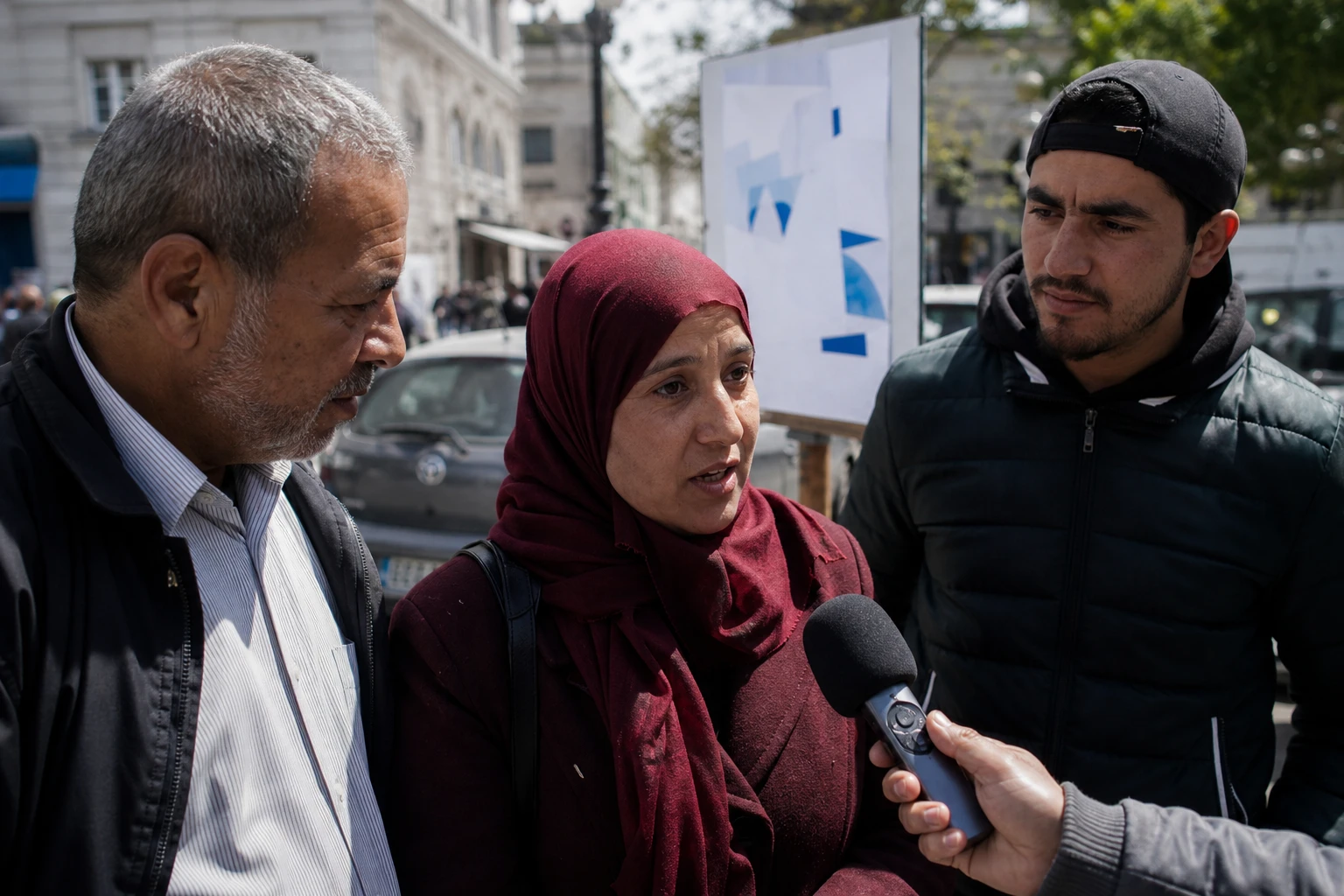
In Tunisia, the summer of 2026 did more than take its toll on people’s health. It also tested the state’s ability to keep a simple promise: to guarantee water everywhere, without interruptions. In several cities, the heatwave coincided with power cuts and supply disruptions, turning the purchase of a bottle into an act of preparation rather than a routine. In Tunis as in the interior governorates, queues, household stockpiling and emergency purchases all showed the same thing: when confidence falls, everyone seeks to protect themselves alone.
This shift is not trivial. It points to something broader in a country where drinking water, energy and logistics are closely connected. The problem is not only about water. It is also industrial, electrical and political. In North Africa, Tunisia is among the countries most exposed to climate stress, according to the World Bank’s work on the country. This vulnerability forms part of a regional neighbourhood where water scarcity is becoming an issue of economic, food and social security.
Emergency measures, but also a symptom of governance
In response to summer pressures, the Tunisian authorities stepped up their measures. A ministerial council held in June adopted a package of actions to secure access to drinking water during the hot season. The roadmap includes infrastructure works, the gradual reorganisation of rural water supply, greater use of non-conventional resources, projects to transfer water between dams, as well as systems to detect leaks and monitor them remotely. The government also announced an emergency programme for summer 2026 comprising 81 projects, 35 of which had already been launched, at a cost of 58 million dinars.
On the ground, the executive also had to intervene in the bottled water market, which had become a visible marker of the strain. At the end of August, the Ministry of Trade announced that 9 million bottles would be supplied to Greater Tunis, with arrangements maintained over the weekend to curb speculation and monopolies. A few days later, the mobilisation of more than 3 million litres of bottled water per day for four days was also announced. At the same time, the national chamber of non-alcoholic drinks manufacturers said production units were running at full capacity. These announcements confirm a simple reality: seasonal demand exceeded the market’s normal capacity to cope.
The situation is not new, but it has worsened. Academic studies and institutional reports have for several years noted that Tunisia faces sustained pressure on its water resources. The World Bank highlights the combination of drought, water stress and energy dependence. A research report cited in the Tunisian press also states that the country consumes around 7 million litres of bottled water a day outside the peak summer period, with a marked increase between June and September. This season, the consumption peak therefore served as a warning sign, not a surprise.
The social cost is felt in homes, shops and the countryside
For households, the impact is immediate. When mains water becomes unreliable or cuts recur, households turn to bottled water, increasing family budgets. Recent studies on Tunisia show that bottled water consumption has risen sharply in recent years, driven by perceptions that tap water is of insufficient quality and by declining confidence in the network. In other words, the crisis is not only a question of supply. It also affects the relationship between users and the public service.
For small shopkeepers, the summer brought another constraint: stocks disappeared faster than usual. In Nabeul, about 60 kilometres from Tunis, several outlets saw their pallets sell out within hours, when they would ordinarily last several days. This stockpiling reflects a crisis mentality. Customers buy more than they need for fear of running short. Retailers, meanwhile, are caught between anxious demand, irregular deliveries and rules that are sometimes poorly suited to exceptional periods.
The agricultural sector and rural areas are even more exposed. When resources decline, water is allocated first to domestic use, then to needs deemed a priority. These trade-offs come at the expense of some agricultural activities, especially where irrigation depends on fragile networks or boreholes that are costly to operate because of energy needs. This is one of the sensitive issues in Tunisia: water is not scarce everywhere to the same extent, but pressure quickly spreads between the capital, the tourist coast, medium-sized cities and the hinterland.
A Tunisian issue, but also a Maghreb and African one
Tunisia is not facing this crisis in a regional vacuum. Across the Maghreb, pressure on water, energy and food is growing in tandem, with consequences for prices, social stability and states’ ability to protect households. For Tunis, the challenge goes beyond managing the summer. It touches on the credibility of public planning, at a time when citizens expect not only rapid responses but also clear information about dams, networks, electricity and strategic stocks.
Across Africa, the Tunisian case is a reminder of a broader trend: climate change does not produce only spectacular disasters. It also disrupts everyday services on which ordinary urban life depends. The World Bank and other institutions describe Tunisia as a country where adaptation, water security and the energy transition are now interlinked. In the seasons ahead, the question will therefore be less whether another period of strain will occur than whether the measures announced will be robust enough to prevent each bout of hot weather from becoming a supply crisis.
The message from the summer of 2026 is clear. As long as water management remains fragmented, Tunisia will continue to respond in an emergency. Unless it better integrates governance, energy, storage and network maintenance, the same scenes are likely to return. And once again, they will not simply say that it was too hot. Above all, they will show that a country can become vulnerable when a commodity as commonplace as water is no longer guaranteed at the right time, in the right place, for everyone.