Algeria
 Egypt
 Libya
 Morocco
 Sudan
 Tunisia
 Benin
 Burkina Faso
 Cabo Verde
 Côte d'Ivoire
 Ghana
 Guinea
 Guinea-Bissau
 Liberia
 Mali
 Mauritania
 Niger
 Nigeria
 Senegal
 Sierra Leone
 The Gambia
 Togo
 Cameroon
 Central African Republic
 DR Congo
 Equatorial Guinea
 Gabon
 Republic of the Congo
 São Tomé and Príncipe
 Burundi
 Comoros
 Djibouti
 Eritrea
 Ethiopia
 Kenya
 Madagascar
 Malawi
 Mauritius
 Mozambique
 Rwanda
 Seychelles
 Somalia
 South Sudan
 Tanzania
 Uganda
 Angola
 Botswana
 Eswatini
 Lesotho
 Namibia
 South Africa
 Zambia
 Zimbabwe
A political death that continues to weigh on N’Djamena
In Chad, some cases do not end in silence. They remain open within families, political parties and the memory of a still-fragile political transition. The death of Yaya Dillo, a figure in the Chadian opposition, belongs to this longer history, in which the demand for truth has also become a test for the state.
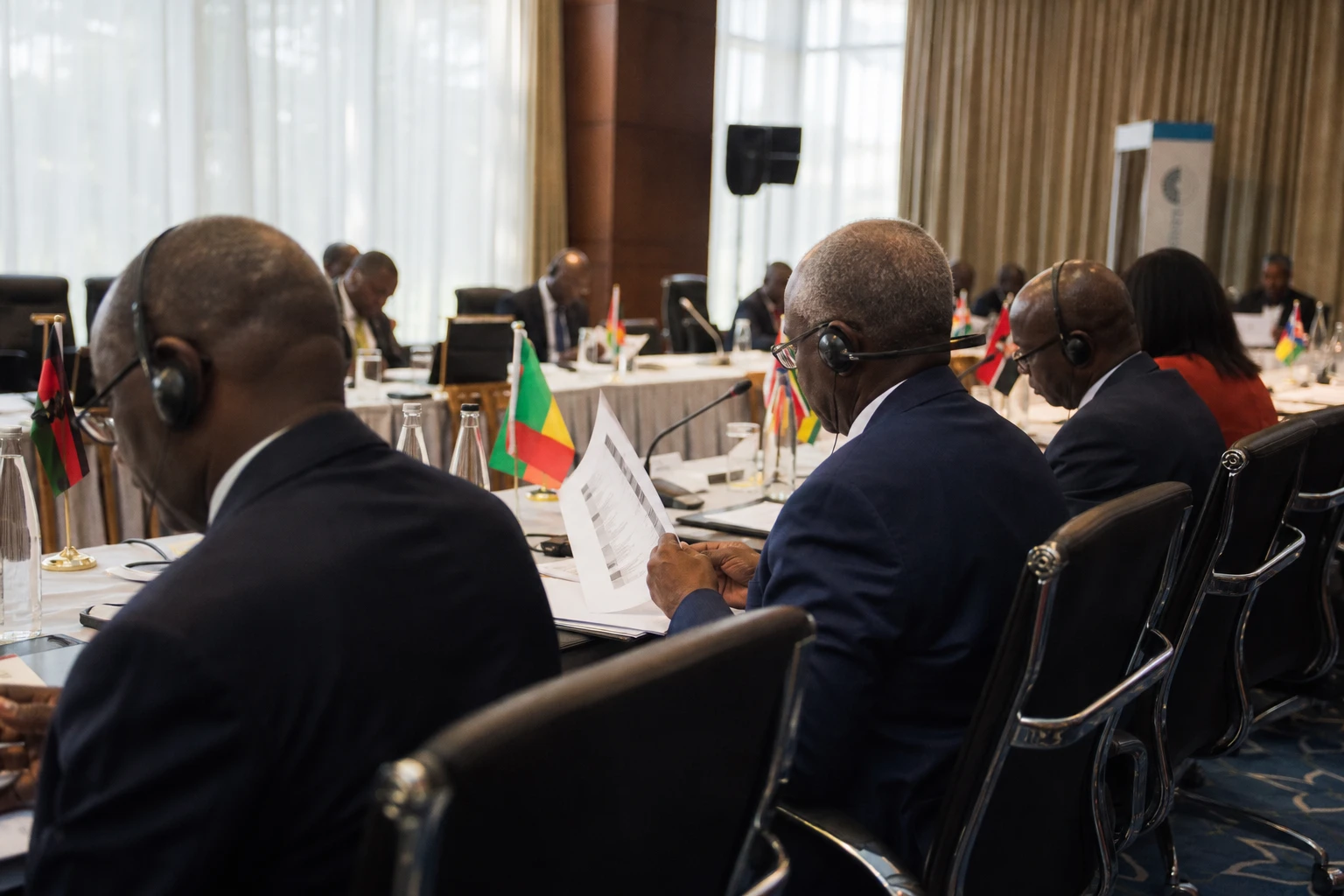
The case concerns a country still seeking to find its balance between a security legacy, a return to the ballot box and expectations of justice. Chad is a member of CEMAC, the economic and monetary organisation of Central Africa that brings six states together in a shared framework for cooperation, with BEAC as their common central bank. Within this regional architecture, N’Djamena remains an influential player, but also a place where political tensions have repercussions beyond the country’s borders.
What Yaya Dillo’s family is demanding
On 28 February 2024, Yaya Dillo was killed in N’Djamena during an assault by security forces on the headquarters of his party, the Socialist Party Without Borders. The Chadian authorities said at the time that he had died in an exchange of fire. His relatives, meanwhile, called it an assassination. Since then, several external findings have strengthened doubts about the official account. Human Rights Watch said the circumstances remained unclear and called for an independent investigation. In April 2024, a Reuters investigation, cited by other media, reported that forensic experts considered it likely he had been shot at close range.
Against this backdrop, Ousmane Dillo, his brother, has called for the case to be taken beyond the national framework. According to his lawyers, a complaint was filed in Paris in 2025 for assassination and complicity in assassination, while UN special rapporteurs have also been petitioned. The family says it is acting in the face of a lack of credible progress in Chad. The aim is not merely to secure another judicial act. Above all, it is to bring international pressure to bear on a case that has become emblematic of the limits of the domestic investigation.
The appeal to the International Criminal Court is part of this approach. But timing matters. On 27 July 2026, Chad notified the UN of its intention to withdraw from the Rome Statute. According to the UN Treaty Collection, the withdrawal is due to take effect on 27 July 2027. In other words, a possible referral relating to earlier events could still be considered before that deadline, subject to the applicable legal conditions.
Justice, impunity and the political balance of power
This case goes beyond the killing of a single opposition figure. It speaks to how the Chadian government has handled dissent since the death of Idriss Déby Itno in April 2021 and the appointment of his son, Mahamat Idriss Déby Itno, to lead the transition. Episodes of repression, arrests of activists and criticism of restrictions on civic space have created a lasting climate of mistrust. Human Rights Watch has also said that no credible investigation has been completed into Yaya Dillo’s death or other serious violations committed in recent years.
For the Chadian state, the stakes are twofold. On the one hand, it must preserve its institutional legitimacy as it presents itself as a stable country at the heart of the Sahel and Central Africa. On the other, it must respond to a demand for justice that concerns not only the opposition but also citizens who want to know whether the security forces acted within the law. In a capital such as N’Djamena, cases of this kind shape the relationship between the government, political parties and security forces. In the regions, they also feed a broader perception: that the state speaks of transition but is slow to clarify past abuses.
The regional context is not neutral. In Central Africa, institutional balances already rest on states under pressure, facing border security concerns, fragile economies and democratic expectations. Chad plays an important role in several regional affairs. But in the field of justice, a case such as Yaya Dillo’s shows that a country can carry diplomatic weight while allowing a domestic accountability vacuum to take hold. It is precisely this vacuum that families, lawyers and human rights organisations are seeking to fill through recourse outside the country.
What to watch next
The next steps will play out on several fronts at once. In Paris, the announced complaint will have to proceed. In Geneva and New York, UN mechanisms may keep up the pressure on the Chadian authorities. In N’Djamena, the question will remain the same: will the state accept an independent investigation, with published and verifiable findings, or will it allow the case to stall until the deadline for withdrawal from the ICC?
For now, the message from Yaya Dillo’s family is clear. It no longer wants a promise of an investigation. It wants a process that establishes facts and responsibility and, if necessary, leads to prosecutions. In a country where the opposition has often paid a heavy price for dissent, the Dillo case has become more than a legal matter. It is a measure of the credibility of Chadian institutions and a test of the place N’Djamena intends to occupy in Africa’s landscape of justice and governance.