Algeria
 Egypt
 Libya
 Sudan
 Tunisia
 Benin
 Burkina Faso
 Cabo Verde
 Côte d'Ivoire
 Ghana
 Guinea
 Guinea-Bissau
 Liberia
 Mali
 Mauritania
 Niger
 Nigeria
 Senegal
 Sierra Leone
 The Gambia
 Togo
 Cameroon
 Central African Republic
 Chad
 DR Congo
 Equatorial Guinea
 Gabon
 Republic of the Congo
 São Tomé and Príncipe
 Burundi
 Comoros
 Djibouti
 Eritrea
 Ethiopia
 Kenya
 Madagascar
 Malawi
 Mauritius
 Mozambique
 Rwanda
 Seychelles
 Somalia
 South Sudan
 Tanzania
 Uganda
 Angola
 Botswana
 Eswatini
 Lesotho
 Namibia
 South Africa
 Zambia
 Zimbabwe
An old issue, but a very current battle
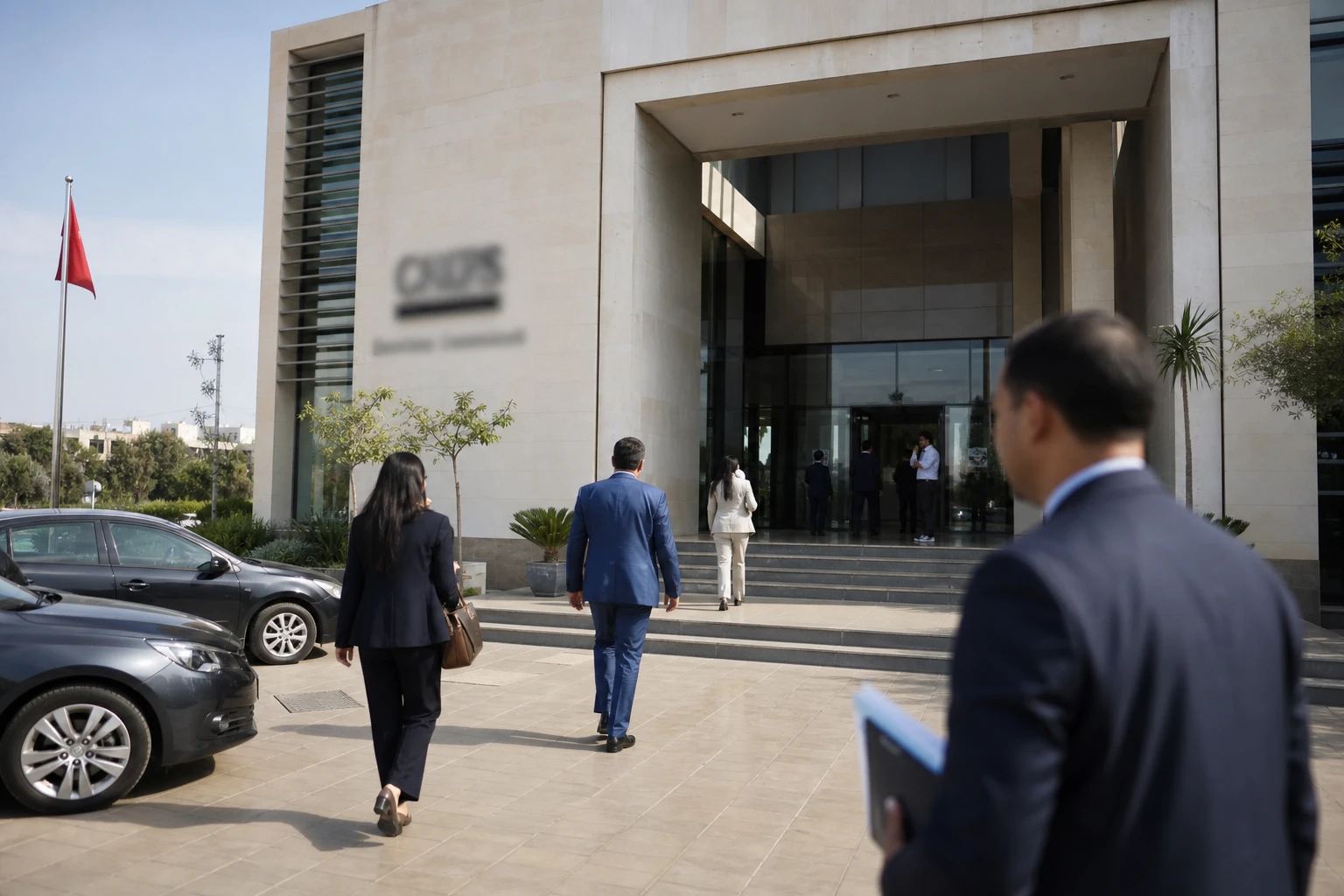
In Rabat, the question of Western Sahara is no longer merely a diplomatic one. It now affects roads, ports, contracts, exports and the image of a Morocco seeking to establish itself as an African and Atlantic hub. In this context, every show of international support matters, but so does every court ruling. The issue remains sensitive because it combines a claim to sovereignty, international law and tangible economic interests.
The territory remains on the United Nations list of Non-Self-Governing Territories, which means its final status has not been settled under UN auspices. This is central. It explains why economic agreements, trade labels and major infrastructure projects there are being closely scrutinised far beyond the Maghreb.
The regional framework: Rabat, Algiers and Madrid remain intertwined
The Western Sahara issue is played out first and foremost between Morocco, Algeria and Spain. Algeria supports the Polisario Front and, alongside it, asserts the right of the Sahrawi people to self-determination. Spain, the former administering power, also remains concerned by the territory’s history and its effects on migration, energy and security in the western Mediterranean.
Madrid also sought, in 2026, to normalise relations with Algiers once again. Following Pedro Sánchez’s visit to Algiers on 20 July 2026, the Moncloa announced an eighth High-Level Meeting in October. This sequence shows that the Western Sahara issue continues to weigh on bilateral relations, even when governments are focused mainly on energy and trade.
What Washington, Rabat and Tel Aviv are saying
The turning point came on 10 December 2020, when Washington proclaimed its recognition of Moroccan sovereignty over all of Western Sahara, in exchange for the normalisation of relations between Morocco and Israel under the Abraham Accords. The White House text is explicit: the United States presents autonomy under Moroccan sovereignty as the only basis for a lasting settlement.
This position was subsequently confirmed by official messages relayed by the Moroccan Royal Palace. In August 2026, the Royal Cabinet published a message from Donald Trump reaffirming US recognition and referring to economic and social development work « including in the territory of Western Sahara ». The language is political, but the stakes are very tangible: the aim is to pave the way for investment, infrastructure and partnerships.
Israel, too, formally recognised Moroccan sovereignty over Western Sahara in July 2023, according to correspondence published by the Royal Cabinet in Rabat and reported by several international media outlets. This convergence between Washington, Rabat and Tel Aviv gives Morocco strong diplomatic support. But it does not close the legal case.
The economic realities: infrastructure, ports and resources
The most visible project remains the Tiznit-Dakhla expressway, presented by Rabat as a strategic route in southern Morocco. Official Moroccan documents refer to a major link between Agadir, Tiznit, Laayoune and Dakhla, designed to strengthen domestic trade and the country’s Atlantic opening. The Dakhla Atlantique port project complements this network and reinforces the economic dimension of the issue.
This is precisely where the controversy begins. Defenders of the Sahrawi people speak of the exploitation of resources without consent. They point to the Bou Craa phosphates, fisheries, agricultural activity around Dakhla, as well as solar and wind power and, in the longer term, green hydrogen. The Moroccan authorities, for their part, defend the development of the « southern provinces » as a way to create jobs and modernise infrastructure.
The difference between these two interpretations is decisive. For Rabat, investment consolidates territorial integration and growth. For its critics, it primarily organises the economic development of a territory whose status remains unsettled. The debate is therefore not only about sovereignty. It is also about the legitimacy of profiting from resources located in a disputed territory.
Europe’s roadblock, followed by a political response
On 4 October 2024, the Court of Justice of the European Union recalled that a trade agreement between the EU and Morocco cannot apply to Western Sahara without the consent of the people of that territory. The Court confirmed this interpretation in cases relating to fisheries and agricultural agreements. In other words, European law does not automatically endorse the extension of agreements concluded with Rabat to Western Sahara.
This case law affects exports, labels and supply chains. It requires European companies to distinguish more clearly between products from Morocco and those originating in Western Sahara. It also serves as a reminder that political support for Rabat is not enough to neutralise legal obstacles.
Morocco faces a twofold challenge. On the one hand, it is seeking to capitalise on its alliances with Washington and Tel Aviv. On the other, it must preserve access to European markets, which are crucial for its agricultural and fisheries exports. It is a delicate balancing act. The Kingdom is therefore moving forward by combining diplomacy, investment and strategic communications, from Rabat, its capital, to the cities of the south.
What the issue says about the balance of power in Africa
Ultimately, Western Sahara is also a test for Africa. The continent is watching as an African territory, a former colonial power, a Mediterranean regional organisation and several external capitals contest the very definition of sovereignty. The debate goes beyond the Maghreb. It concerns natural resources, the movement of goods, self-determination and the ability of Africans to influence decisions affecting them.
The immediate next steps will play out on three fronts. First, the practical implementation of European rulings. Second, Rabat’s ability to continue its projects in the south without further legal friction. Finally, the diplomatic timetable between Madrid and Algiers, where energy, migration and security remain sensitive issues. Morocco is moving forward, but the issue remains unresolved.