Algeria
 Egypt
 Libya
 Morocco
 Sudan
 Tunisia
 Benin
 Burkina Faso
 Cabo Verde
 Côte d'Ivoire
 Ghana
 Guinea-Bissau
 Liberia
 Mali
 Mauritania
 Niger
 Nigeria
 Senegal
 Sierra Leone
 The Gambia
 Togo
 Cameroon
 Central African Republic
 Chad
 DR Congo
 Equatorial Guinea
 Gabon
 Republic of the Congo
 São Tomé and Príncipe
 Burundi
 Comoros
 Djibouti
 Eritrea
 Ethiopia
 Kenya
 Madagascar
 Malawi
 Mauritius
 Mozambique
 Rwanda
 Seychelles
 Somalia
 South Sudan
 Tanzania
 Uganda
 Angola
 Botswana
 Eswatini
 Lesotho
 Namibia
 South Africa
 Zambia
 Zimbabwe
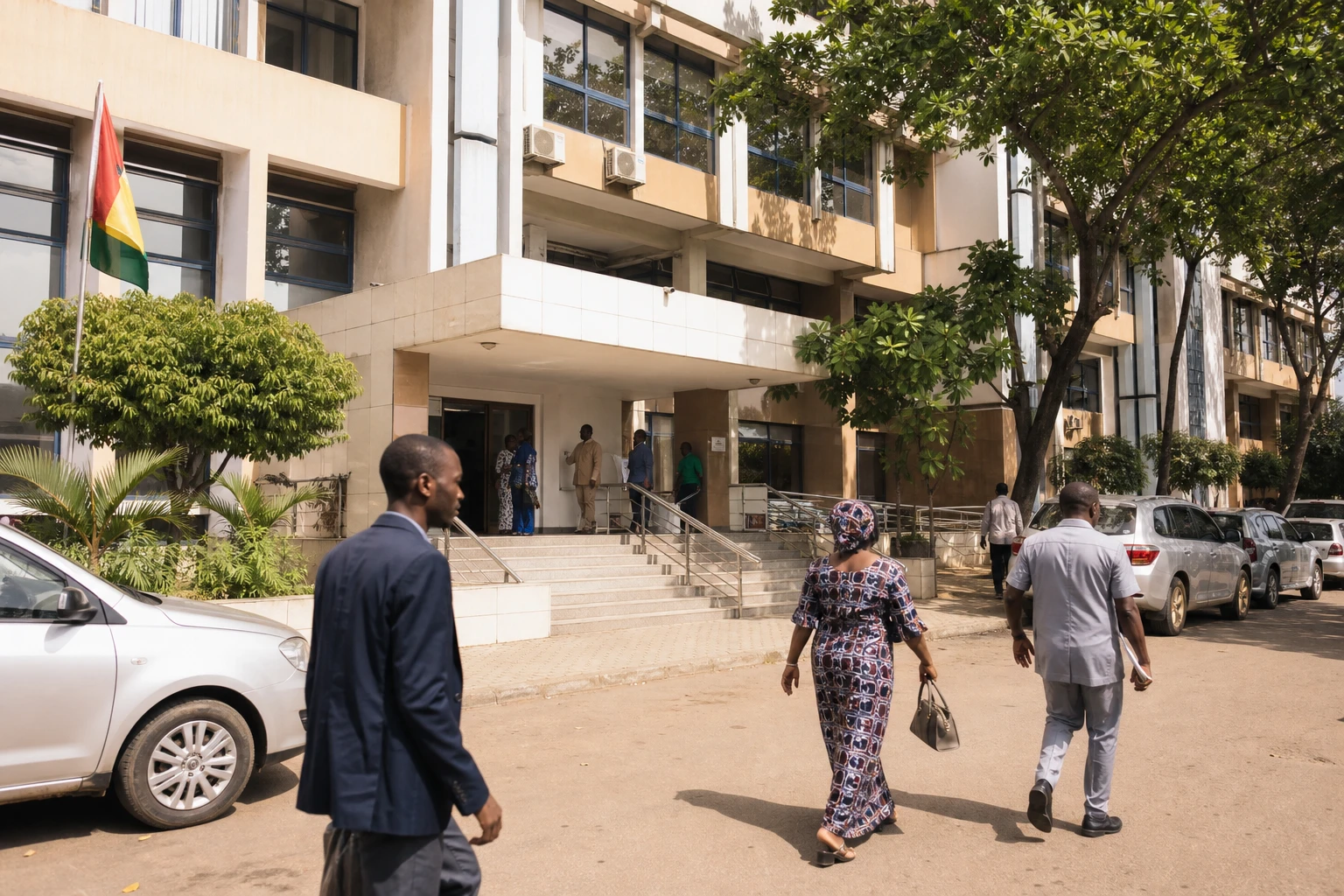
Conakry five years after 5 September
In Conakry, 5 September is no longer merely the date of a military takeover. It is also the moment when, year after year, the gap between a promise of renewal and the reality of power is measured. Five years after Mamadi Doumbouya seized power, Guinea has emerged from military transition, but one simple question remains: what has the new political cycle really changed for the state, freedoms and the Guinean economy?
The regional context matters as much as the domestic scene. Guinea belongs to ECOWAS, the Economic Community of West African States, and the African Union, two bodies that first sanctioned the unconstitutional change of power before supporting the return to constitutional order. In January 2026, the African Union lifted the country’s suspension after the December 2025 presidential election, then ECOWAS lifted its remaining sanctions and fully readmitted Guinea to its bodies.
From coup to election, a transition brought to a close
On 5 September 2021, Mamadi Doumbouya overthrew Alpha Condé and opened a transition period that was initially meant to be time-limited. The strongman of Conakry had pledged to lead a return to constitutional order while promising a break with the discredited practices of the previous regime. Four years later, that arrangement had changed in nature: Guinea adopted a new Constitution, held a referendum on 21 September 2025, and then a presidential election on 28 December 2025. Doumbouya won with 86.72% of the vote before being sworn in on 17 January 2026.
This shift from transition leader to elected president closed the institutional cycle that began in 2021, but it did not erase the tensions that arose during the military period. The new constitutional text notably lifted the ban on members of a transitional government standing for president and extended the presidential term to seven years, renewable. This is one of the most sensitive points in the record: Guinea has indeed restored an electoral framework, but at the cost of a political system remodelled under scrutiny.
In his 5 September 2026 commemorative message, Doumbouya described the date as a day of “mourning, gravity and remembrance”, not triumph, while defending the reforms undertaken and the “Simandou 2040” vision, an economic transformation plan presented as the horizon for the next 15 years. The official argument is clear: the transition put the state back in order, prepared the election and reconnected Guinea with regional organisations.
Visible gains, and blind spots too
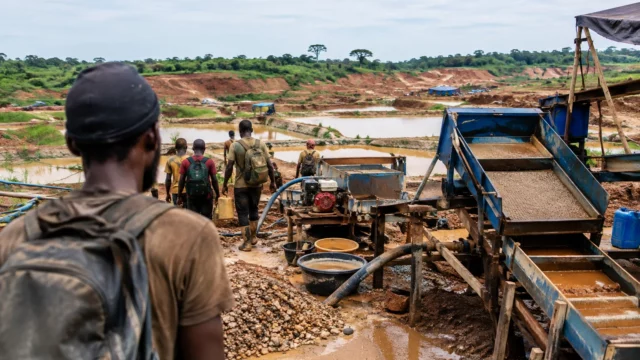
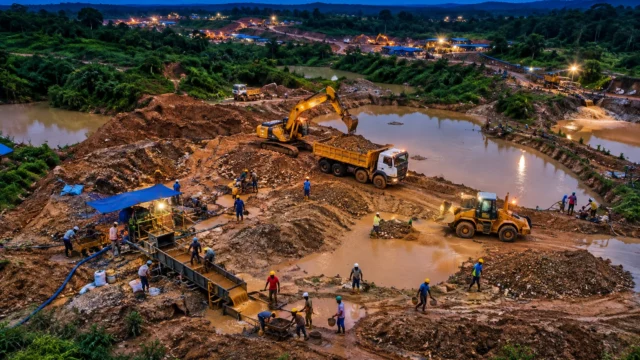
On the ground, the authorities point to signs of institutional consolidation and investors’ return. The “Simandou 2040” programme, focused on developing the giant Simandou iron ore deposit and related infrastructure, has become the government’s main economic strategy. The presidency presents it as a 15-year development plan, with ambitions for industrialisation and knock-on effects in transport, training and economic sovereignty.
But this promise of modernisation alone is not enough to settle the debate over the regime’s record. Human rights organisations continue to report abductions, disappearances and restrictions on civic space in Guinea. Amnesty International sounded the alarm again in July 2026 over suspected cases of enforced disappearance and the impunity surrounding them. The organisation also notes that victims’ families and human rights defenders are calling for truth, justice and reparations.
Guinea’s reading of the moment is therefore more nuanced than a simple story of stabilisation. On one side, the government can claim a formal return to constitutional order, an elected presidency, reactivated institutions and readmission to the African Union and ECOWAS. On the other, restrictions on political parties, criticism of the space for dissent and concerns over freedom of expression fuel the view that the transition is over on paper, but political life has not been fully settled.
What Guinea says about West Africa
The Guinean case extends beyond Conakry. It shows how, in West Africa, a military transition can gradually gain acceptance through institutional outcomes, provided it holds a referendum and a presidential election and resumes dialogue with regional organisations. ECOWAS and the African Union have sent the same message: a return to constitutional order remains the condition for regional normalisation. Guinea thus serves as a political and diplomatic precedent for other transitions on the continent.
The central question remains: are restored formalities enough to produce a vibrant democracy? In Guinea, the answer is still undecided. The government has regained its place in West African and continental institutions. But the strength of its record will now depend on Conakry’s ability to guarantee genuine checks and balances, an open political space and tangible benefits from the mining boom beyond decision-making centres. That is where, in the coming months, the credibility of the renewal promised since 5 September 2021 will be tested.