
 Algeria
 Egypt
 Libya
 Morocco
 Sudan
 Tunisia
 Benin
 Burkina Faso
 Cabo Verde
 Côte d'Ivoire
 Ghana
 Guinea
 Guinea-Bissau
 Liberia
 Mali
 Mauritania
 Niger
 Nigeria
 Senegal
 Sierra Leone
 The Gambia
 Togo
 Cameroon
 Central African Republic
 Chad
 Equatorial Guinea
 Gabon
 Republic of the Congo
 São Tomé and Príncipe
 Burundi
 Comoros
 Djibouti
 Eritrea
 Ethiopia
 Kenya
 Madagascar
 Malawi
 Mauritius
 Mozambique
 Rwanda
 Seychelles
 Somalia
 South Sudan
 Tanzania
 Uganda
 Angola
 Botswana
 Eswatini
 Lesotho
 Namibia
 South Africa
 Zambia
 Zimbabwe
When an event hall becomes a trap
In Kinshasa, a wedding turned into a scene of panic within minutes. In a city where reception halls, markets and mixed-use buildings often host far more people than they can evacuate, the Lingwala tragedy is a reminder of an all-too-often neglected truth: public safety is not an administrative detail, but a matter of life and death.
The site of the fire is in Lingwala, a district in northern Kinshasa, near Boulevard Triomphal and several government buildings. The Congolese capital, which has special status, concentrates a significant share of the country’s public and commercial activity. It also faces a range of urban vulnerabilities: irregular construction, heavy traffic, sometimes patchy inspections and insufficient emergency response resources.
What the investigation has established so far
The fire broke out on the night of Friday 4 to Saturday 5 September 2026, during a wedding ceremony. Several sources agree that the hall was in a building in Lingwala and that difficulties evacuating people made the situation worse. Early accounts mention a single, overly narrow exit, while local authorities have already pointed to breaches of safety standards.
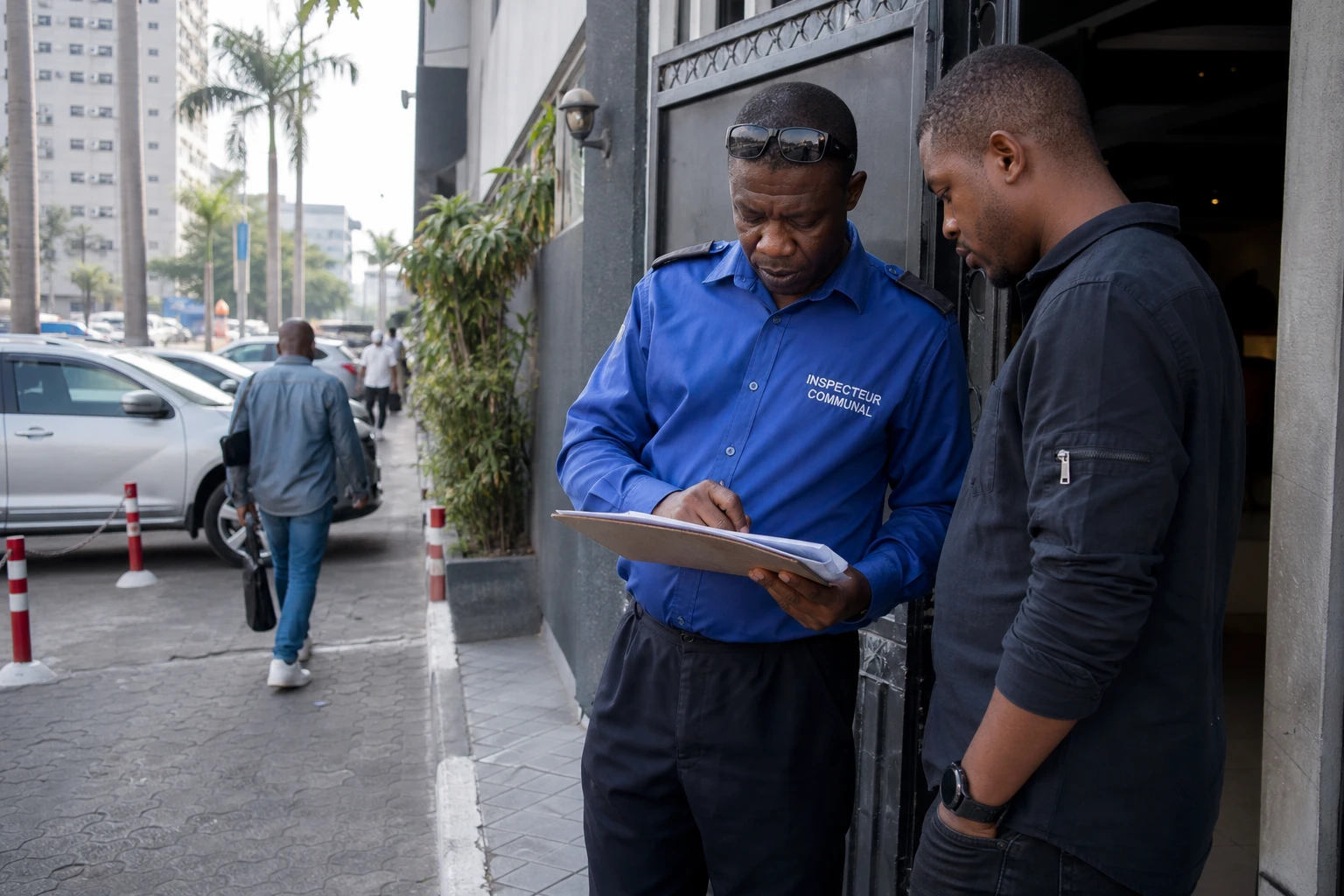
At the scene, the mayor of Lingwala said he had found that there was no compliant evacuation system. Kinshasa’s deputy governor also visited the site. The interior minister subsequently ordered systematic inspections of event halls and other venues hosting public gatherings. The response reflects a wider urgent need: to check buildings open to the public quickly, then close those that fail to meet minimum requirements.
The death toll, however, remains disputed. The mayor put the number of dead at 22, with several injured. The government, according to the Congolese press, gave an official toll of 12 dead. Other local media reported around ten victims. For now, caution is warranted: the exact number should continue to be attributed to its source until identifications and medical cross-checks are complete.
Why this tragedy is more than a local incident
In the DRC, urban fires often expose the same chain of failures: inadequate building inspections, poorly planned evacuations, difficult access for emergency services and poorly managed occupancy levels. Kinshasa is not just an administrative capital; it is also a metropolis where private venues, shops and homes sometimes occupy the same building. When a fire breaks out, response time is critical.
The tragedy also highlights a simple social reality. Families should be able to expect a basic level of safety from an event hall, not just a setting. For operators, that means emergency exits, compliant electrical systems, clear access and clear instructions. For municipal and provincial authorities, it requires regular inspections, effective penalties and up-to-date inspection records. Without these, responsibility becomes blurred and risks recur, event after event.
The Lingwala case also illustrates the gap between political announcements and actual implementation. In recent months, Kinshasa has undertaken multiple sanitation and modernisation projects, with task force meetings at presidential and provincial executive level. But the safety of venues open to the public depends less on grand plans than on the day-to-day enforcement of rules. A city can renovate roads while leaving dangerous buildings standing; it is precisely this disconnect that the tragedy lays bare.
What the Congolese capital shows the region
Beyond Kinshasa, the case resonates with many African capitals facing the same pressures: rapid growth, informal urbanisation and uneven public oversight. Across Central Africa, the safety of buildings, markets and gathering places is a recurring concern, often raised after a tragedy. The DRC, with 26 provinces and a capital with special status, could turn this shock into a test of urban governance.
The next challenge is not only judicial. It is administrative too. It remains to be seen whether the announced inspections will lead to closures, upgrades to meet standards and meaningful oversight of venues. It will also be important to see whether municipalities have the resources to inspect and enforce. In Kinshasa, as in other major cities on the continent, the safety of gathering places will say much about the state’s ability to protect the most ordinary moments of social life.



